Wine has long been more than just a drink. It represents history, craftsmanship, patience, and human connection. It’s no surprise, then, that cinema has repeatedly turned to wine as a powerful storytelling element. Wine movies blend sensory pleasure with emotion, ambition, rivalry, and self-discovery. Whether set among sunlit vineyards, rustic cellars, or elegant tasting rooms, these films explore how wine shapes lives, relationships, and identities. From documentaries to romantic dramas and sharp comedies, wine movies occupy a unique and flavorful corner of film culture.
Why Wine Makes a Perfect Cinematic Subject
Wine naturally lends itself to storytelling because it embodies contrast. It is both simple and complex, agricultural and artistic, communal and deeply personal. A single bottle can represent celebration, heartbreak, tradition, or transformation. Filmmakers use wine as a metaphor for time, maturity, and change—how years of care can produce something extraordinary, or how neglect can ruin potential.
Visually, vineyards offer stunning backdrops. Rolling hills, orderly rows of vines, and golden harvest seasons provide cinematic beauty that enhances emotional depth. Narratively, wine introduces natural conflict: competition between regions, old-world tradition versus new-world innovation, and the struggle between passion and profit.
Sideways: The Modern Classic of Wine Cinema
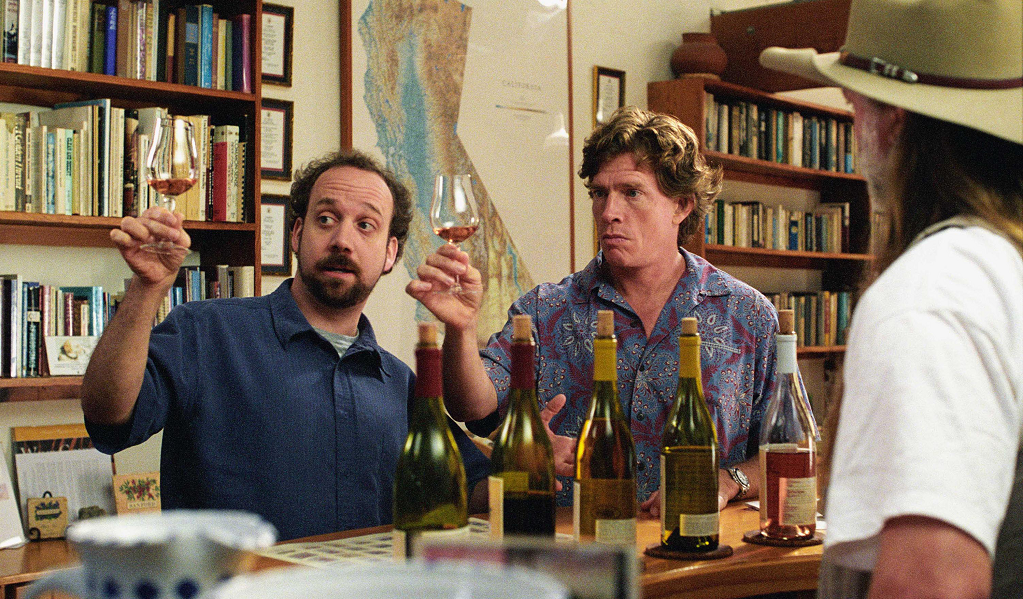
When discussing wine movies, Sideways (2004) is impossible to ignore. Directed by Alexander Payne, the film follows two friends on a week-long trip through California’s Santa Ynez Valley. At its core, Sideways is about midlife crisis, friendship, and self-worth—but wine acts as the emotional language of the story.
Miles, a struggling writer and devoted wine enthusiast, finds meaning and identity in Pinot Noir, a grape he describes as fragile and difficult to grow—much like himself. The film demystified wine for casual audiences while simultaneously increasing interest in certain varietals. In fact, Pinot Noir sales famously surged after the movie’s release. Sideways proved that wine movies could be intimate, funny, and culturally influential all at once.
Bottle Shock: Rivalry and Revolution
Bottle Shock (2008) takes a more historical approach, dramatizing the 1976 “Judgment of Paris,” a blind wine tasting that shocked the world. French judges unknowingly ranked California wines higher than their revered French counterparts, forever changing the global wine industry.
The film explores ambition, skepticism, and national pride, focusing on the unlikely American winemakers who challenged centuries-old French dominance. While lighter in tone and less critically acclaimed than Sideways, Bottle Shock captures an important moment in wine history. It celebrates risk-taking and innovation, showing how wine can symbolize rebellion against tradition and the courage to believe in one’s craft.
A Walk in the Clouds: Wine and Romance
Wine movies often lean into romance, and A Walk in the Clouds (1995) is a prime example. Set after World War II, the film tells the story of a drifter who helps a pregnant woman pretend he is her husband when visiting her traditional Mexican-American vineyard-owning family.
Here, wine represents family legacy, honor, and continuity. The vineyard becomes a place of healing and belonging, where characters rediscover love and purpose. While the film may be more sentimental than realistic, it highlights wine’s deep connection to heritage and emotional roots. The act of tending vines mirrors the care required to nurture relationships.
Wine Documentaries: Truth in the Bottle
Beyond fiction, documentaries have played a major role in shaping wine cinema. Films like Mondovino (2004) examine the globalization of wine, raising questions about authenticity, power, and commercialization. Directed by Jonathan Nossiter, Mondovino takes a critical look at how influential critics and multinational corporations impact traditional winemaking regions.
Other documentaries, such as Somm (2012), shift focus to the people behind the wine. Somm follows candidates preparing for the notoriously difficult Master Sommelier exam. The film reveals the discipline, obsession, and sacrifice involved in mastering wine knowledge. It humanizes the world of wine, showing that behind every tasting note is years of study and passion.
Wine as a Character, Not Just a Prop
What sets wine movies apart is how often wine functions as a character rather than a background detail. Bottles are discussed with reverence, tasted with intention, and argued over with intensity. Wine reflects the emotional state of characters—bold, restrained, flawed, or elegant.
In many films, wine bridges gaps between people. Shared tastings become moments of honesty and vulnerability. Conflicts soften over a glass of red, while celebrations feel incomplete without a cork popping. This portrayal resonates because wine has played similar roles in real human experiences for thousands of years.
Cultural Identity and Regional Pride
Wine movies frequently explore regional identity. French, Italian, Spanish, and Californian wine cultures all carry distinct philosophies about life, work, and pleasure. These differences create rich narrative tension.
European wine films often emphasize tradition, ancestry, and terroir—the idea that a wine reflects the land it comes from. New-world wine movies, particularly those set in the United States or Australia, tend to highlight experimentation, entrepreneurship, and breaking rules. This contrast mirrors broader cultural values and makes wine an ideal lens for examining globalization and change.
Humor, Ego, and the Wine World
Wine movies don’t shy away from satire. The wine industry, with its jargon, rituals, and prestige, is ripe for humor. Films like Sideways gently mock wine snobbery while still respecting genuine passion. Documentaries also reveal inflated egos, intense rivalries, and occasional absurdity.
This balance of reverence and critique makes wine movies accessible. You don’t need to be an expert to enjoy them. In fact, many films succeed precisely because they welcome beginners, showing that wine appreciation is less about perfection and more about curiosity and enjoyment.
Why Wine Movies Continue to Resonate
The enduring appeal of wine movies lies in their humanity. At their heart, these films are rarely just about wine. They’re about people searching for meaning, dealing with disappointment, honoring tradition, or daring to change their lives.
Wine slows time. It demands patience, reflection, and attention—qualities often missing in modern life. Wine movies invite viewers to pause, savor moments, and appreciate craftsmanship. They remind us that some of the best things in life cannot be rushed.
Conclusion: A Cinematic Glass Worth Pouring
Wine movies occupy a unique space where culture, emotion, and sensory experience meet. They tell stories that are rich, layered, and deeply human—much like wine itself. Whether through quiet character studies, historical rivalries, romantic escapes, or revealing documentaries, these films celebrate the artistry of winemaking and the connections it fosters.
For viewers, wine movies offer more than entertainment. They provide inspiration to explore new flavors, appreciate heritage, and maybe even rethink life’s priorities. Like a well-aged bottle opened at the right moment, a great wine movie lingers long after the final scene—complex, satisfying, and worth revisiting.