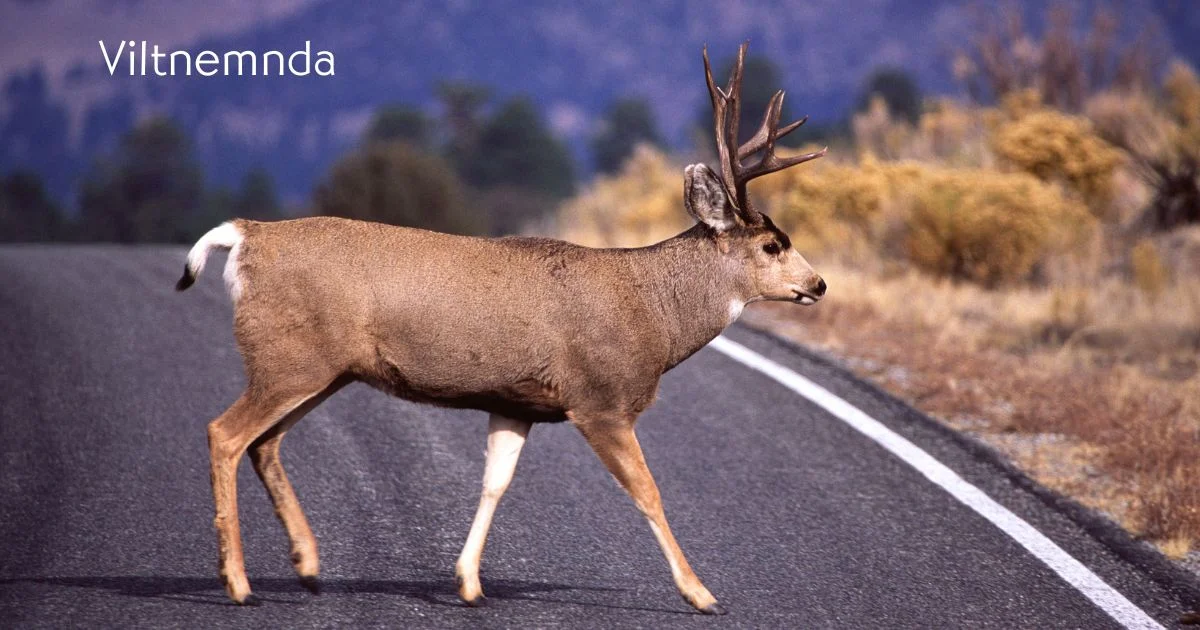
In Norway’s vast landscapes—where deep forests, towering mountains, and open tundra stretch for miles—wildlife plays a central role in both the ecosystem and cultural identity. Managing these natural resources requires a careful balance between conservation, sustainable hunting, and community involvement. This responsibility is largely carried out at the local level by Viltnemnda, a municipal wildlife management committee that serves as a crucial link between national environmental policy and practical, on-the-ground decision-making.
Viltnemnda is not just an administrative body. It represents a model of community-based conservation where local knowledge, ecological responsibility, and democratic governance work together to protect wildlife while allowing sustainable use of natural resources.
The Meaning and Purpose of Viltnemnda
The word Viltnemnda comes from two Norwegian terms: vilt (game or wild animals) and nemnd (committee or board). Together, they describe a local authority responsible for managing wildlife within a municipality.
Its primary mission is to ensure that wildlife populations are:
-
Healthy and sustainable
-
Managed according to national regulations
-
Balanced with agricultural, forestry, and community interests
This makes Viltnemnda an essential part of Norway’s decentralized environmental management system.
Local Management with National Responsibility
One of the defining features of Viltnemnda is its local foundation. While Norway has strong national laws governing nature and wildlife, the implementation of these policies often happens at the municipal level.
This structure allows decisions to be based on:
-
Local wildlife population data
-
Regional environmental conditions
-
Community needs and traditions
Because wildlife behavior and habitats vary significantly across the country, local management ensures more accurate and effective conservation.
Key Responsibilities of Viltnemnda
Viltnemnda’s work covers a wide range of tasks related to wildlife management. These include:
1. Setting Hunting Quotas
The committee determines how many animals can be harvested during hunting seasons. This is especially important for species such as:
-
Moose
-
Deer
-
Reindeer
-
Roe deer
The goal is to maintain a balance between population growth and ecological sustainability.
2. Monitoring Wildlife Populations
Accurate data is the foundation of responsible management. Viltnemnda collects and evaluates information about:
-
Population size
-
Migration patterns
-
Reproductive success
-
Health of animals
This ensures that decisions are based on science rather than guesswork.
3. Reducing Human–Wildlife Conflict
In rural areas, wildlife can sometimes damage crops, forests, or infrastructure. Viltnemnda works to reduce these conflicts by:
-
Adjusting population levels
-
Implementing preventive measures
-
Coordinating with landowners and farmers
This helps protect both livelihoods and biodiversity.
4. Promoting Ethical Hunting Practices
Hunting is an important tradition in Norway, but it is strictly regulated. Viltnemnda ensures that hunting:
-
Follows national laws
-
Is humane and ethical
-
Contributes to sustainable wildlife management
A Bridge Between Communities and Nature
This community-based approach creates:
-
Greater public trust
-
Stronger environmental awareness
-
Better cooperation between stakeholders
Instead of being seen as an external authority, Viltnemnda is part of the community it serves.
The Role in Sustainable Hunting Culture
Hunting in Norway is not only a means of obtaining food—it is a deeply rooted cultural tradition. Viltnemnda helps preserve this tradition while ensuring that it remains environmentally responsible.
By setting quotas and monitoring populations, the committee ensures that:
-
Wildlife is not overharvested
-
Ecosystems remain balanced
-
Future generations can continue the practice
This approach demonstrates how tradition and conservation can coexist.
Scientific and Ecological Foundations
Modern wildlife management relies heavily on ecological science, and Viltnemnda incorporates this into its work.
Decisions are often based on:
-
Habitat capacity
-
Food availability
-
Climate conditions
-
Predator–prey relationships
This scientific perspective ensures long-term sustainability rather than short-term resource use.
Cooperation with Other Authorities
Viltnemnda does not work alone. It collaborates with:
-
Environmental agencies
-
Forestry and agricultural sectors
-
Hunting organizations
-
Research institutions
This network allows for a comprehensive and coordinated approach to wildlife management.
Addressing Modern Environmental Challenges
Climate change and habitat loss are creating new challenges for wildlife across Scandinavia. Changing temperatures affect migration patterns, food availability, and reproduction cycles.
Viltnemnda plays an important role in adapting management strategies to these changes by:
-
Monitoring shifting population trends
-
Protecting critical habitats
-
Adjusting hunting quotas when necessary
This flexibility is essential for protecting biodiversity in a changing world.
Education and Public Awareness
Another important aspect of Viltnemnda’s work is educating the public. Through cooperation with local communities, the committee helps people understand:
-
The importance of biodiversity
-
Responsible hunting practices
-
How to live alongside wildlife
This educational role strengthens the relationship between people and nature.
Economic and Social Importance
Wildlife management also has economic benefits. Sustainable hunting contributes to:
-
Local food production
-
Tourism
-
Outdoor recreation
By maintaining healthy animal populations, Viltnemnda supports rural economies while protecting natural resources.
A Model for Community-Based Conservation
Many countries rely on centralized systems for environmental management. Viltnemnda offers an alternative model—one where local communities play a direct role in conservation.
This model has several advantages:
-
Faster decision-making
-
Better use of local knowledge
-
Stronger public involvement
It shows that effective conservation does not always require top-down control.
Challenges Facing Viltnemnda
Despite its success, Viltnemnda faces several challenges:
-
Balancing different stakeholder interests
-
Adapting to climate-related changes
-
Managing growing human–wildlife interaction
-
Ensuring accurate and up-to-date data
Addressing these issues requires continuous cooperation, research, and innovation.
The Future of Wildlife Management
As environmental concerns become more global, the role of local management bodies like Viltnemnda will become even more important.
Future developments may include:
-
Digital wildlife monitoring systems
-
Improved data-sharing platforms
-
Greater public participation in conservation decisions
-
Stronger integration with climate policies
These tools will help ensure that wildlife management remains effective and sustainable.
Why Viltnemnda Matters
Viltnemnda represents more than a municipal committee—it is a symbol of how communities can take responsibility for their natural environment.
It demonstrates that:
-
Conservation and sustainable use can coexist
-
Local knowledge is essential for environmental protection
-
Wildlife management is a shared responsibility
In a world where biodiversity is under increasing pressure, this approach offers valuable lessons.
Conclusion
Viltnemnda stands as one of the most effective examples of local, democratic wildlife management. By combining scientific knowledge, traditional practices, and community involvement, it ensures that Norway’s rich natural heritage is protected for future generations.
Its work supports healthy ecosystems, sustainable hunting, and peaceful coexistence between humans and wildlife. At the same time, it strengthens the connection between people and the landscapes they live in.
As environmental challenges continue to grow, the principles behind Viltnemnda—local responsibility, ecological balance, and long-term thinking—will remain essential. It is not only a cornerstone of Norwegian wildlife management but also a powerful model for conservation efforts around the world.