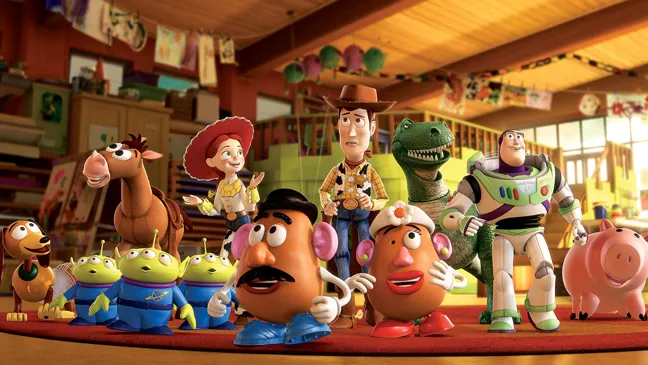
Released in 2010, Toy Story 3 stands as one of the most emotionally powerful and critically acclaimed animated films of all time. Produced by Pixar Animation Studios and distributed by Walt Disney Pictures, the film is the third installment in the beloved Toy Story franchise. Directed by Lee Unkrich, this sequel elevated the series beyond simple entertainment, delivering a deeply moving story about growing up, letting go, and the enduring bonds of friendship.
In this 1200-word article, we explore the plot, characters, themes, animation achievements, and lasting impact of Toy Story 3.
A Brief Overview of the Story
Toy Story 3 picks up years after the events of Toy Story 2. Andy, the young boy who once cherished his toys, is now 17 years old and preparing to leave for college. His toys—including Woody, Buzz Lightyear, and their friends—are left uncertain about their future.
Due to a misunderstanding, the toys are accidentally donated to Sunnyside Daycare instead of being stored in the attic. At first, Sunnyside appears to be a paradise for toys, offering endless playtime with children. However, the toys soon discover a darker reality controlled by the manipulative and authoritarian Lotso.
The film follows the toys’ struggle to escape Sunnyside and return home before Andy leaves for college, culminating in an emotional and unforgettable ending.
Memorable Characters and Performances
One of the greatest strengths of Toy Story 3 is its rich cast of characters, both old and new.
Woody – The Loyal Leader
Woody continues to embody loyalty and optimism. Voiced by Tom Hanks, Woody believes in staying true to Andy, even when other toys begin to lose hope. His determination drives the story forward and reinforces the film’s central message about loyalty.
Buzz Lightyear – The Brave Companion
Buzz, voiced by Tim Allen, provides both humor and heroism. A standout moment occurs when Buzz is accidentally reset, leading to his hilarious “Spanish mode,” which adds a fresh comedic twist.
Lotso – A Complex Villain
Lotso, short for Lots-O’-Huggin’ Bear, is one of Pixar’s most layered antagonists. Despite his cuddly appearance, he represents bitterness and betrayal. His backstory adds emotional depth, showing how abandonment shaped his cynical worldview.
Supporting Characters
The film introduces several new characters, including Ken, Barbie, and Big Baby, each adding unique personality and humor. Meanwhile, returning favorites like Jessie, Hamm, Rex, and Mr. Potato Head continue to charm audiences.
Themes That Resonate Deeply
Toy Story 3 is not just a children’s movie—it explores universal themes that resonate with viewers of all ages.
Letting Go and Growing Up
The central theme of the film is the inevitability of change. Andy’s transition to adulthood symbolizes a universal experience—leaving childhood behind. The toys’ journey mirrors this emotional process, making the story relatable for both younger and older audiences.
Loyalty and Friendship
Despite facing uncertainty, the toys remain loyal to one another. Their unity highlights the importance of friendship during difficult times.
Purpose and Identity
The toys struggle with their sense of purpose once Andy no longer needs them. This theme reflects a deeper human concern: finding meaning in changing circumstances.
Hope and Redemption
Even in moments of despair, the film emphasizes hope. The toys’ escape from Sunnyside and their final destination reinforce the idea that new beginnings are always possible.
Emotional Impact: A Landmark in Animation
Few animated films have achieved the emotional depth of Toy Story 3. One of the most iconic scenes is the incinerator sequence, where the toys face what seems like certain doom. Instead of panicking, they hold hands, accepting their fate together. This moment is both heartbreaking and profound, showcasing Pixar’s ability to blend storytelling with raw emotion.
The film’s ending is equally powerful. Andy’s decision to pass his toys on to a young girl named Bonnie is a symbolic act of closure. Watching him say goodbye to Woody and his friends is a moment that resonates deeply with audiences, often bringing tears even years after release.
Animation and Technical Excellence
By 2010, Pixar had already established itself as a leader in animation, but Toy Story 3 pushed the boundaries even further. The film features:
- Highly detailed environments
- Realistic lighting and textures
- Advanced character animation
The daycare setting, with its vibrant colors and dynamic scenes, contrasts sharply with the darker tones of Lotso’s rule. This visual storytelling enhances the narrative, making the film more immersive.
Critical and Commercial Success
Toy Story 3 received widespread acclaim from critics and audiences alike. It became one of the highest-grossing animated films of its time and achieved several milestones:
- Won the Academy Award for Best Animated Feature
- Nominated for Best Picture (a rare honor for animated films)
- Praised for storytelling, voice acting, and emotional depth
Its success cemented Pixar’s reputation as a studio capable of producing films that appeal to both children and adults.
Cultural Legacy
The legacy of Toy Story 3 extends far beyond its release. It redefined expectations for animated sequels, proving that follow-up films can surpass their predecessors in depth and quality.
The film also influenced how studios approach storytelling in animation, encouraging more mature themes and character-driven narratives. Its emotional resonance has made it a favorite among fans and critics, often cited as one of the greatest animated films ever made.
Connection to the Toy Story Franchise
As the third installment in the series, Toy Story 3 builds upon the foundation laid by Toy Story and Toy Story 2. While those films focused on adventure and identity, the third film brings the story full circle with themes of closure and transition.
Although later followed by Toy Story 4, many fans consider Toy Story 3 the emotional conclusion of the original trilogy.
Why Toy Story 3 Still Matters Today
More than a decade after its release, Toy Story 3 continues to resonate with audiences. Its themes remain relevant in a world where change is constant and relationships evolve over time.
The film reminds viewers that:
- Growing up doesn’t mean forgetting the past
- Friendships can endure even through change
- Letting go can lead to new beginnings
These messages ensure that Toy Story 3 remains timeless.
Conclusion
Toy Story 3 is more than just an animated movie—it is a deeply emotional story that captures the essence of growing up and moving on. With unforgettable characters, powerful themes, and groundbreaking animation, it stands as a masterpiece in cinematic history.
Through the journey of Woody, Buzz, and their friends, the film teaches us about loyalty, purpose, and the courage to embrace change. Whether you watched it as a child or an adult, Toy Story 3 leaves a lasting impression, proving that great storytelling transcends age.
In the end, it’s not just about toys—it’s about life, memories, and the bonds that stay with us forever.