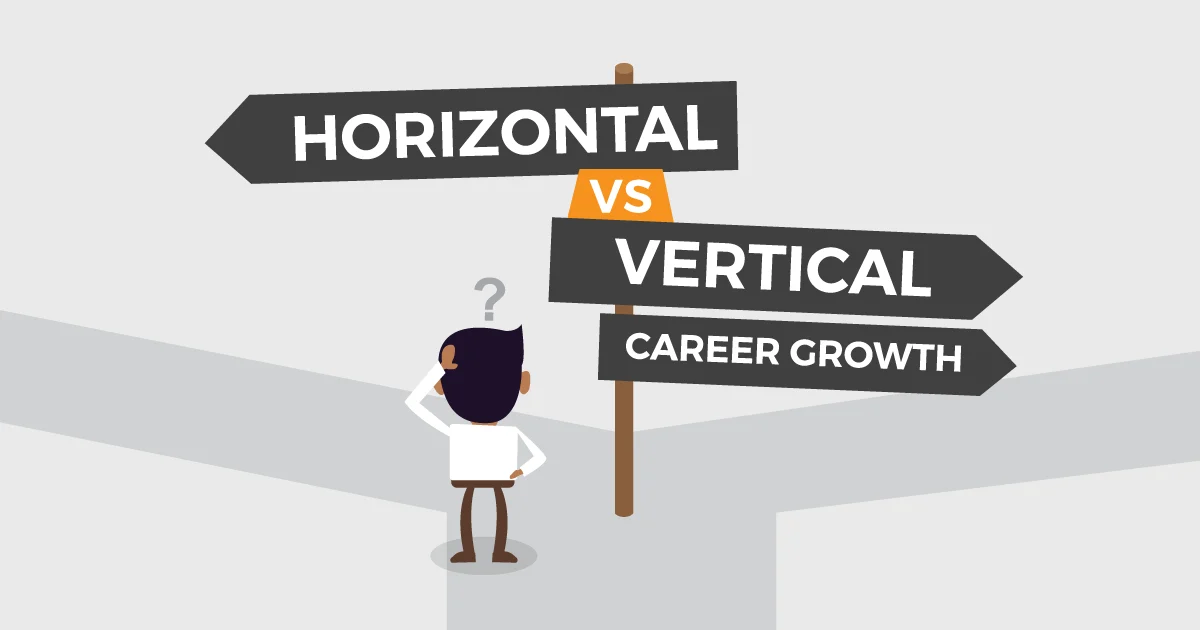
In business, technology, education, and even personal development, the terms “vertical” and “horizontal” represent two fundamentally different approaches to growth, structure, and thinking. While they may sound like simple directional concepts, their implications run deep. Whether you are building a company, designing a system, or planning your career, understanding the differences between vertical and horizontal strategies can help you make smarter, more effective decisions.
This article explores the meaning of vertical vs horizontal across multiple domains, comparing their strengths, weaknesses, and ideal use cases.
Understanding the Core Concepts
At a basic level, vertical refers to depth, hierarchy, and specialization, while horizontal refers to breadth, expansion, and diversity. These concepts are widely used in different fields, but the core idea remains consistent:
- Vertical approach: Focus on going deeper into a specific area.
- Horizontal approach: Focus on expanding across multiple areas.
Both approaches are valuable, but they serve different purposes depending on the context.
Vertical vs Horizontal in Business Strategy
Vertical Integration
Vertical integration is a strategy where a company takes control of multiple stages of its supply chain. Instead of relying on third parties, the business manages production, distribution, and sales internally.
For example, a company that designs, manufactures, and sells its own products is vertically integrated.
Advantages of Vertical Integration:
- Greater control over quality and processes
- Reduced reliance on external suppliers
- Potential cost savings in the long term
Disadvantages:
- High initial investment
- Less flexibility to adapt quickly
- Increased operational complexity
Vertical integration works best for companies that want stability and control over their operations.
Horizontal Integration
Horizontal integration occurs when a company expands by acquiring or merging with other businesses in the same industry.
For example, a company buying its competitors to increase market share is practicing horizontal integration.
Advantages of Horizontal Integration:
- Increased market power
- Economies of scale
- Reduced competition
Disadvantages:
- Risk of regulatory issues
- Challenges in merging different company cultures
- Possible inefficiencies during transition
Horizontal integration is ideal for businesses looking to grow quickly and dominate their market.
Organizational Structure: Vertical vs Horizontal
Vertical Organizations
A vertical organization has a traditional hierarchy with multiple levels of management. Authority flows from top executives down to employees.
Key Features:
- Clear chain of command
- Defined roles and responsibilities
- Centralized decision-making
Pros:
- Strong leadership control
- Clear accountability
- Efficient for large, complex organizations
Cons:
- Slower communication
- Limited innovation
- Reduced employee empowerment
Horizontal Organizations
Horizontal organizations, also known as flat structures, minimize hierarchy and encourage collaboration across teams.
Key Features:
- Fewer management layers
- Open communication
- Decentralized decision-making
Pros:
- Faster decision-making
- Increased creativity and innovation
- Higher employee satisfaction
Cons:
- Lack of clear authority
- Potential confusion in roles
- Difficult to scale in large enterprises
Technology: Vertical vs Horizontal Scaling
In the world of technology, especially in IT infrastructure, vertical and horizontal strategies are used to manage growth.
Vertical Scaling (Scaling Up)
Vertical scaling involves increasing the power of a single machine—such as adding more CPU, RAM, or storage.
Benefits:
- Simple to implement
- No need to redesign systems
- Easier maintenance
Limitations:
- Hardware limits
- Expensive upgrades
- Single point of failure
Horizontal Scaling (Scaling Out)
Horizontal scaling involves adding more machines or servers to distribute the workload.
Benefits:
- Highly scalable
- Improved reliability
- Better performance under heavy load
Limitations:
- Complex system design
- Requires load balancing
- Higher management overhead
Modern cloud systems often favor horizontal scaling due to its flexibility and resilience.
Marketing Approaches
Vertical Marketing
Vertical marketing targets a specific niche or industry. Businesses focus on a well-defined audience and tailor their products or services accordingly.
Example: A company specializing only in software for healthcare providers.
Advantages:
- Deep market understanding
- Strong brand authority
- Loyal customer base
Disadvantages:
- Limited market size
- Dependence on a single industry
Horizontal Marketing
Horizontal marketing targets a broad audience across multiple industries.
Example: A company offering general tools like email platforms or office software.
Advantages:
- Wider reach
- More opportunities for growth
- Diversified income streams
Disadvantages:
- Strong competition
- Less specialization
- Harder to stand out
Education and Skill Development
Vertical Learning
Vertical learning focuses on mastering a single subject or skill over time. It is about depth and expertise.
Examples:
- Becoming a doctor
- Specializing in engineering
Benefits:
- High level of expertise
- Strong career identity
Drawbacks:
- Limited flexibility
- Narrow skill set
Horizontal Learning
Horizontal learning involves gaining knowledge across multiple disciplines.
Examples:
- Learning coding, marketing, and design together
- Developing both technical and soft skills
Benefits:
- Versatility
- Adaptability in changing environments
- Broader problem-solving ability
Drawbacks:
- Lack of deep expertise
- Risk of being a generalist without specialization
Design and User Experience
Vertical Design
Vertical design emphasizes scrolling and is commonly used in mobile apps and modern websites.
Advantages:
- Natural user behavior
- Easy content consumption
- Mobile-friendly
Disadvantages:
- Long pages can overwhelm users
- Important content may be missed
Horizontal Design
Horizontal design uses side-scrolling layouts and is often seen in portfolios and creative websites.
Advantages:
- Unique and visually engaging
- Great for storytelling
Disadvantages:
- Less intuitive navigation
- Compatibility issues on some devices
Choosing the Right Approach
The decision between vertical and horizontal approaches depends on your goals, resources, and context.
Choose Vertical When:
- You want to specialize in a niche
- Control and quality are top priorities
- You aim for long-term expertise
Choose Horizontal When:
- You want rapid growth and expansion
- You aim to reach diverse audiences
- Flexibility is important
In reality, many successful strategies combine both approaches. For instance, a company might start horizontally to explore markets and later focus vertically on a profitable niche.
Real-World Applications
- Startups often begin with a horizontal approach to test different markets before specializing.
- Large corporations use vertical integration to control supply chains while expanding horizontally to grow their market share.
- Tech companies rely heavily on horizontal scaling to serve global users efficiently.
Conclusion
Vertical vs horizontal is not a matter of right or wrong—it is about choosing the right strategy for your specific situation. Vertical approaches offer depth, control, and specialization, while horizontal approaches provide breadth, flexibility, and growth opportunities.
The most successful individuals and organizations understand how to balance both. By combining vertical expertise with horizontal expansion, they create systems that are both resilient and adaptable.
As industries continue to evolve, the ability to think both vertically and horizontally will become increasingly important. Whether you are a business leader, a student, or a professional, mastering these concepts can help you navigate complexity and build a more sustainable path to success.