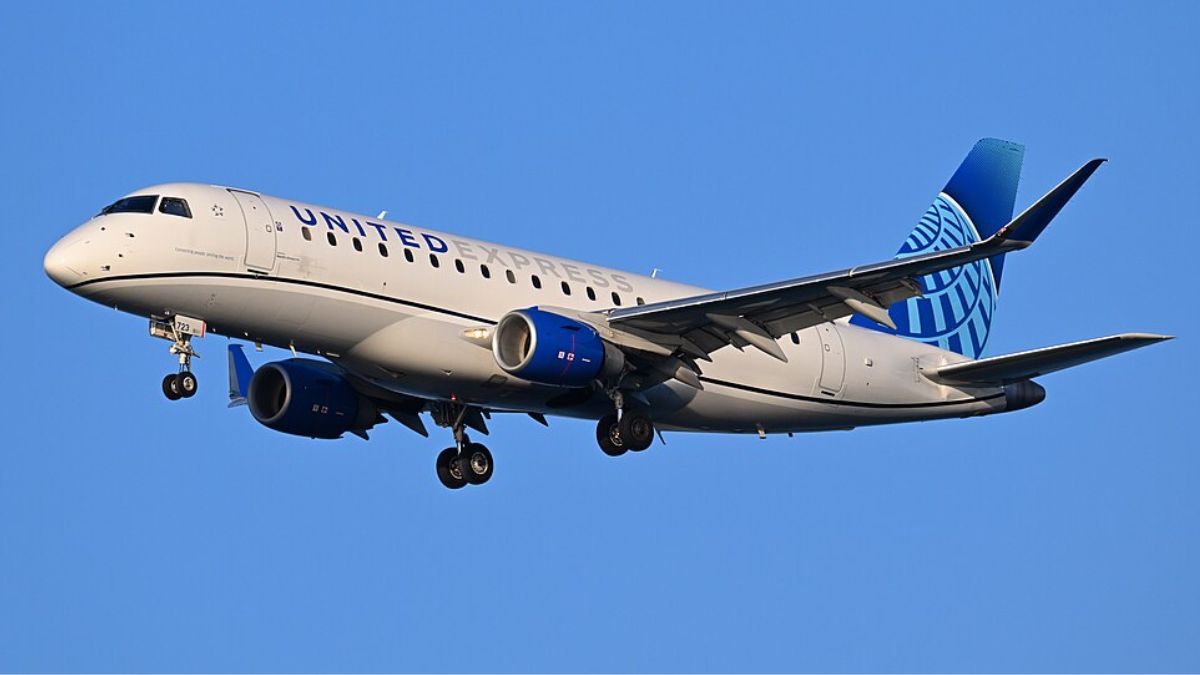
Commercial aviation is built on a foundation of safety, preparation, and rapid response to unexpected situations. Even with advanced aircraft systems and highly trained crews, unforeseen events can arise that require immediate action. One such incident that drew attention was the United Express Flight UA5971 emergency diversion. While emergency diversions can be disruptive for passengers, they are a normal and essential part of airline operations, reflecting a system that prioritizes safety above all else. This article explores the UA5971 emergency diversion in depth, explaining what emergency diversions are, why they occur, how airlines manage them, and what passengers can learn from such events.
Understanding Emergency Diversions in Aviation
An emergency diversion occurs when an aircraft is unable to continue to its scheduled destination and instead lands at an alternate airport for safety or operational reasons. These decisions are made by the flight crew based on established protocols, real-time data, and guidance from air traffic control and airline operations centers.
Emergency diversions are not necessarily indications of danger or failure. In fact, they often represent precautionary actions taken to prevent minor issues from escalating. In the case of United Express Flight UA5971, the diversion was carried out to ensure the safety and well-being of everyone on board.
Overview of United Express Flight UA5971
United Express Flight UA5971 was operating as a regional flight under the United Express brand, which typically involves shorter routes and smaller aircraft operated by partner airlines on behalf of United Airlines. During the course of the flight, the crew identified a situation that warranted an emergency diversion.
Although the specific technical or operational details may vary depending on official reports, the outcome was consistent with industry standards: the aircraft diverted to a suitable airport, landed safely, and passengers were attended to by airline staff and ground services.
Common Reasons for Emergency Diversions Like UA5971
There are several common scenarios that can lead to an emergency diversion, many of which are routine considerations in flight operations. Incidents like the United Express Flight UA5971 emergency diversion often fall into one of these categories.
Mechanical or System Alerts
Modern aircraft are equipped with sophisticated monitoring systems that continuously track engine performance, avionics, and other critical components. If a warning light or system alert appears, pilots may choose to divert as a precaution, even if the issue does not pose an immediate threat. Aviation regulations encourage conservative decision-making, especially when flying regional aircraft with shorter distances between alternate airports.
Medical Emergencies Onboard
Medical emergencies are one of the most frequent reasons for emergency diversions. If a passenger or crew member experiences a serious health issue that requires immediate medical attention, the flight crew will divert to the nearest appropriate airport. In these cases, emergency responders are usually standing by upon landing.
Cabin or Environmental Concerns
Unusual smells, smoke warnings, or pressurization irregularities are treated seriously in aviation. Even when the cause turns out to be harmless, the safest course of action is often to land and investigate on the ground. A situation like this could have been a contributing factor in the UA5971 emergency diversion.
Weather and Operational Factors
Sudden changes in weather, such as severe turbulence, thunderstorms, or reduced visibility, can also lead to diversions. Additionally, issues like runway closures or air traffic congestion at the destination airport may require an aircraft to land elsewhere.
Decision-Making Process of the Flight Crew
When faced with an abnormal situation, pilots follow a structured decision-making process designed to minimize risk. For United Express Flight UA5971, this process would have included evaluating aircraft systems, consulting checklists, and communicating with air traffic control and the airline’s operations center.
Once the decision to divert is made, the flight is given priority handling by air traffic controllers. The crew selects the most suitable alternate airport based on factors such as runway length, weather conditions, medical facilities, and available maintenance support.
Clear communication with the cabin crew and passengers is also a critical part of this process. Pilots typically provide updates that explain the situation in reassuring terms, emphasizing that the diversion is a precautionary measure.
Passenger Experience During the UA5971 Diversion
For passengers, an emergency diversion can be an unexpected and sometimes stressful experience. Travelers on United Express Flight UA5971 likely experienced a mix of concern and inconvenience as their journey was interrupted.
Cabin crew are trained to manage passenger comfort and safety during such events. They provide instructions, answer questions when possible, and ensure that the cabin is prepared for landing. After arrival at the diversion airport, passengers may remain onboard briefly while the situation is assessed, or they may disembark depending on the circumstances.
United and its regional partners typically work to rebook passengers on alternative flights, arrange ground transportation, or provide accommodations if an overnight stay becomes necessary.
Role of United Express and Regional Partners
United Express flights are operated by regional airlines that meet United’s safety, training, and operational standards. These partners follow the same rigorous procedures for emergency situations as mainline United Airlines flights.
The UA5971 emergency diversion demonstrates how coordination between the flight crew, regional operator, United’s operations center, and airport authorities ensures a smooth and safe response. This collaborative approach is a key strength of modern airline networks.
Safety Inspections and Post-Diversion Procedures
After an emergency diversion, the aircraft involved undergoes a thorough inspection by maintenance personnel. If a mechanical issue is suspected, the plane will not return to service until the problem is identified and resolved in accordance with regulatory requirements.
For flights like UA5971, this process helps maintain the overall reliability of the fleet. Even minor issues are documented and analyzed, contributing to continuous improvements in aircraft design, maintenance practices, and operational procedures.
Public and Media Attention
Emergency diversions often attract attention, particularly when passengers share their experiences on social media. While the term “emergency” can sound alarming, it is important to remember that these diversions are usually precautionary and result in safe landings.
The United Express Flight UA5971 emergency diversion highlights how quickly information can spread and how important clear communication from airlines is in maintaining public trust.
Lessons for Air Travelers
Incidents like the UA5971 diversion offer several important lessons for passengers. Understanding that diversions are part of normal airline operations can help reduce anxiety. Following crew instructions, remaining patient, and staying informed through official airline updates are the best ways to navigate such situations.
Passengers should also consider the value of travel insurance and flexible travel plans, as disruptions can occur even on the most routine flights.
Conclusion
The United Express Flight UA5971 emergency diversion underscores the aviation industry’s commitment to safety and preparedness. While diversions can be inconvenient, they are evidence of a system designed to identify potential issues early and respond decisively.
Through well-trained crews, advanced aircraft systems, and coordinated ground support, events like the UA5971 diversion are handled effectively, resulting in safe outcomes for passengers and crew. By understanding the reasons behind emergency diversions and how they are managed, travelers can approach air travel with greater confidence and peace of mind.