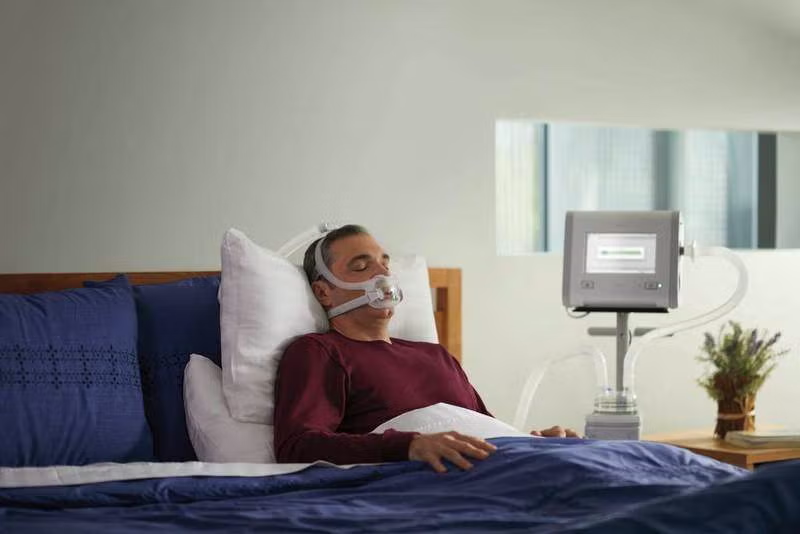
The Trilogy ventilator is a modern, versatile respiratory support device designed to assist patients with chronic and acute breathing difficulties. Widely used in hospitals, long-term care facilities, and home settings, the Trilogy ventilator has become an essential solution for managing respiratory insufficiency across a broad range of conditions. Its portability, adaptability, and advanced monitoring features make it a preferred choice for clinicians and patients alike. This article explores what a Trilogy ventilator is, how it works, who needs it, and why it plays a crucial role in contemporary respiratory care.
What Is a Trilogy Ventilator?
A Trilogy ventilator is a non-invasive and invasive mechanical ventilation system developed to support or replace spontaneous breathing. Unlike traditional stationary ventilators, the Trilogy series is compact and lightweight, allowing patients greater mobility and flexibility. It can deliver multiple modes of ventilation, including pressure-controlled, volume-controlled, and hybrid modes, making it suitable for both pediatric and adult patients.
The ventilator is commonly prescribed for individuals with chronic respiratory failure, neuromuscular disorders, obstructive lung diseases, or conditions that impair normal breathing mechanics. It can be used with masks for non-invasive ventilation or with tracheostomy tubes for invasive ventilation, depending on the patient’s clinical needs.
How the Trilogy Ventilator Works
At its core, the Trilogy ventilator assists breathing by delivering pressurized air or an air-oxygen mixture into the lungs. The device is programmed to provide a specific pressure, volume, or flow rate tailored to the patient’s condition. Sensors within the ventilator continuously monitor the patient’s breathing patterns, adjusting support in real time to maintain adequate ventilation.
One of the standout features of the Trilogy ventilator is its ability to synchronize with the patient’s natural breathing efforts. This synchronization improves comfort, reduces the work of breathing, and enhances overall treatment effectiveness. Advanced alarms and monitoring systems alert caregivers to changes such as low tidal volume, high pressure, disconnections, or power issues, ensuring patient safety at all times.
Key Features of the Trilogy Ventilator
The popularity of the Trilogy ventilator stems from its robust feature set designed to meet diverse clinical requirements:
-
Portability: Built-in batteries and a compact design allow patients to move freely within their homes or travel with confidence.
-
Multiple Ventilation Modes: Supports pressure support, pressure control, volume control, AVAPS (Average Volume Assured Pressure Support), and more.
-
Invasive and Non-Invasive Use: Compatible with masks and tracheostomy interfaces.
-
User-Friendly Interface: Touchscreen displays and intuitive menus simplify setup and monitoring.
-
Advanced Alarms: Provides audible and visual alerts for critical events.
-
Data Tracking: Stores detailed therapy data that clinicians can review to optimize treatment.
These features collectively make the Trilogy ventilator adaptable to both short-term and long-term respiratory support needs.
Conditions That May Require a Trilogy Ventilator
The Trilogy ventilator is prescribed for a wide range of respiratory and neuromuscular conditions. Common indications include:
-
Chronic Obstructive Pulmonary Disease (COPD): Helps manage chronic respiratory failure and reduces hospital readmissions.
-
Amyotrophic Lateral Sclerosis (ALS): Supports weakened respiratory muscles as the disease progresses.
-
Muscular Dystrophy: Assists breathing when muscle weakness impairs ventilation.
-
Spinal Cord Injuries: Provides respiratory support when neural control of breathing is compromised.
-
Obesity Hypoventilation Syndrome: Improves oxygenation and carbon dioxide removal.
-
Sleep-Related Breathing Disorders: Offers advanced support when standard CPAP or BiPAP therapy is insufficient.
By addressing the specific breathing challenges associated with these conditions, the Trilogy ventilator improves quality of life and overall health outcomes.
Trilogy Ventilator in Home Care Settings
One of the most significant advantages of the Trilogy ventilator is its suitability for home use. Advances in technology have made it possible for patients who once required prolonged hospital stays to receive effective ventilation in the comfort of their own homes. This shift not only enhances patient independence but also reduces healthcare costs and the risk of hospital-acquired infections.
Home use of a Trilogy ventilator typically involves training for patients and caregivers. They learn how to operate the device, respond to alarms, clean components, and perform basic troubleshooting. With proper support from healthcare providers and durable medical equipment suppliers, home ventilation with a Trilogy device can be both safe and effective.
Benefits for Patients and Caregivers
The Trilogy ventilator offers numerous benefits that extend beyond basic respiratory support:
-
Improved Comfort: Adaptive ventilation modes adjust to patient needs, reducing discomfort and anxiety.
-
Enhanced Mobility: Portable design allows participation in daily activities.
-
Better Sleep Quality: Consistent ventilation supports restful sleep and daytime alertness.
-
Reduced Hospitalization: Effective home ventilation lowers the frequency of emergency visits.
-
Peace of Mind: Reliable alarms and monitoring reassure caregivers and family members.
These benefits collectively contribute to a higher quality of life for individuals living with chronic respiratory conditions.
Maintenance and Safety Considerations
Proper maintenance is essential to ensure the safe and effective operation of a Trilogy ventilator. Regular cleaning of filters, tubing, and masks helps prevent infections and equipment malfunction. Batteries should be charged and tested routinely, especially for patients who rely on the ventilator continuously.
Safety features built into the device, such as backup batteries and comprehensive alarm systems, provide an added layer of protection. However, caregivers must remain vigilant and maintain open communication with healthcare providers to address any issues promptly.
Trilogy Ventilator vs. Other Ventilation Devices
Compared to traditional ventilators or basic BiPAP machines, the Trilogy ventilator offers greater flexibility and advanced functionality. While CPAP and standard BiPAP devices are effective for many sleep-related breathing disorders, they may not provide sufficient support for patients with complex or progressive respiratory conditions. The Trilogy ventilator bridges this gap by delivering higher levels of support with precise control and adaptability.
Its ability to transition between non-invasive and invasive ventilation also makes it a long-term solution as patient needs evolve, reducing the need for frequent equipment changes.
The Future of Trilogy Ventilation Technology
As respiratory care continues to advance, devices like the Trilogy ventilator are expected to become even more intelligent and patient-centered. Future developments may include enhanced connectivity for remote monitoring, improved algorithms for automatic adjustment, and lighter designs for increased portability. These innovations will further empower patients to manage their conditions while maintaining independence and dignity.
Conclusion
The Trilogy ventilator represents a significant advancement in respiratory care, offering reliable, adaptable, and patient-friendly ventilation support across a wide range of clinical scenarios. Its versatility makes it suitable for hospital, long-term care, and home environments, while its advanced features enhance comfort, safety, and quality of life. For patients living with chronic respiratory challenges, the Trilogy ventilator is more than a medical device—it is a vital tool that supports breathing, independence, and well-being.