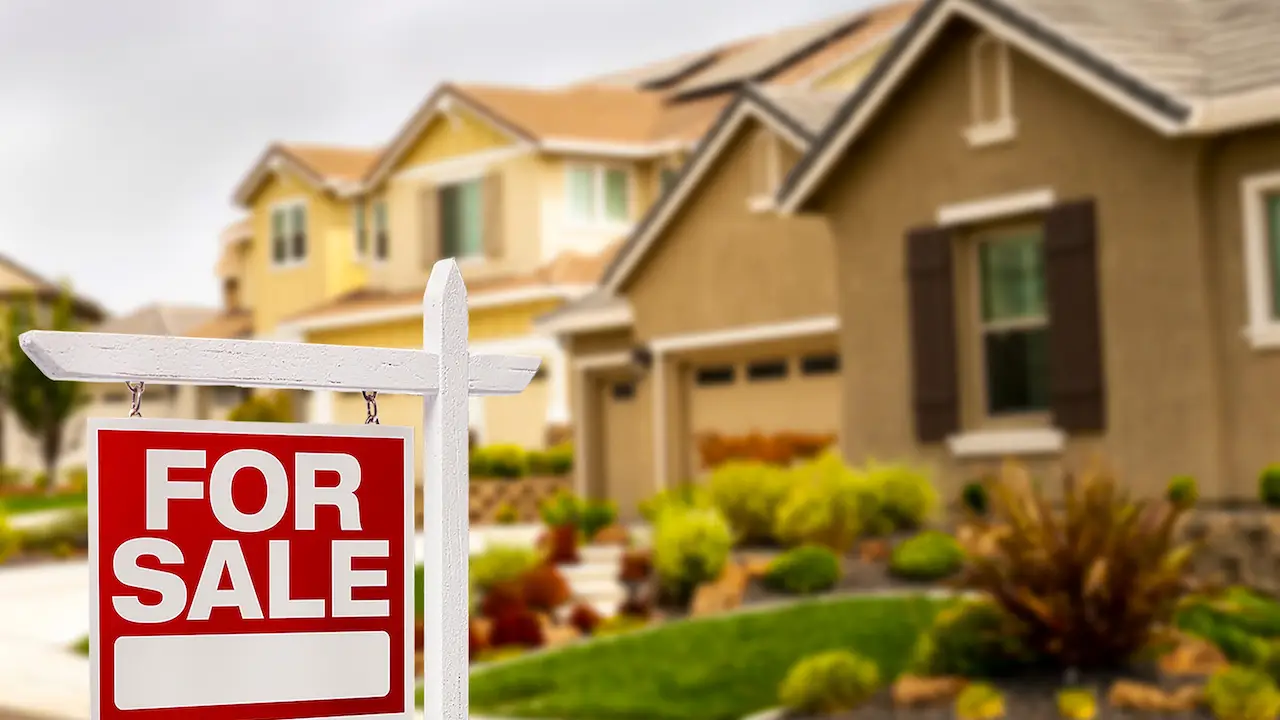
Selling your home is one of the most significant financial decisions you’ll ever make. Whether you’re upgrading to a larger space, downsizing for retirement, or relocating for work, the process can feel both exciting and overwhelming. Between preparing the property, setting the right price, marketing effectively, negotiating offers, and handling paperwork, there’s a lot to manage.
The good news? With the right strategy and mindset, selling your home doesn’t have to be stressful or complicated. Taking a smart, informed approach can help you sell faster, attract serious buyers, and get the best possible price.
If you’re preparing to put your home on the market, here’s how to navigate the journey with confidence and maximize your return.
Start With the Right Mindset
Before you list your home, it’s important to shift your perspective. Once you decide to sell, your house becomes a product in the marketplace. That emotional attachment you’ve built over the years needs to take a back seat to objective decision-making.
Buyers won’t see your memories — they’ll see condition, price, and value.
A smart seller understands that flexibility, preparation, and realistic expectations are key. Instead of focusing on what you think your home is worth emotionally, focus on what the market is willing to pay.
Treating the sale like a business transaction helps you make clearer, more profitable choices.
Understand Your Local Market
Knowledge is power in real estate. Before setting a price or making improvements, research what’s happening in your local market.
Ask questions like:
-
Are homes selling quickly or sitting for months?
-
Are prices rising or falling?
-
How much are similar homes selling for?
-
What features are buyers looking for?
This information helps you position your home competitively.
For example, in a seller’s market with low inventory, you may have more flexibility with pricing. In a buyer’s market, you’ll need to be more strategic and competitive.
A local real estate agent can provide comparative market analysis (CMA) reports that show recent sales and trends. This ensures you don’t overprice or undervalue your home.
Pricing correctly from the start is one of the smartest moves you can make.
Price It Strategically
Many sellers assume pricing higher leaves room for negotiation. In reality, overpricing often backfires.
When a home is priced too high:
-
Fewer buyers view it
-
It sits longer on the market
-
It looks less desirable
-
Price reductions become necessary
Homes that linger on the market can develop a negative reputation, making buyers wonder what’s wrong.
On the other hand, competitively priced homes attract more attention, generate multiple offers, and sometimes even sell above asking price.
The sweet spot is setting a price that reflects market value while creating strong demand.
Remember: the first few weeks on the market are critical. Make them count.
Prepare Your Home to Impress
First impressions matter tremendously. Buyers often decide how they feel about a property within minutes of walking in — or even before they step inside.
Preparing your home properly can significantly boost both its selling speed and final price.
Declutter and Depersonalize
Remove excess furniture, personal photos, and clutter. Clean, open spaces help buyers imagine themselves living there.
Deep Clean Everything
Sparkling kitchens, fresh-smelling rooms, and spotless bathrooms create an impression of care and maintenance.
Make Minor Repairs
Fix leaky faucets, squeaky doors, chipped paint, and broken fixtures. Small issues can make buyers question overall upkeep.
Boost Curb Appeal
Your home’s exterior is the first thing buyers see. Mow the lawn, trim bushes, add fresh plants, and consider repainting the front door.
Consider Staging
Professionally staged homes often sell faster and for more money. Even simple rearranging of furniture can highlight your home’s best features.
Presentation can make the difference between “just looking” and “making an offer.”
Invest in Professional Marketing
In today’s digital age, most buyers begin their search online. That means your home’s online presence must stand out.
High-quality marketing isn’t optional — it’s essential.
Smart marketing includes:
-
Professional photography
-
Virtual tours or videos
-
Detailed descriptions
-
Accurate floor plans
-
Social media exposure
-
Listing on major real estate platforms
Dark, blurry phone photos simply won’t attract serious buyers. Professional images showcase your home’s strengths and generate more interest.
The more people who see your listing, the higher the chances of receiving strong offers.
Choose the Right Real Estate Agent
While it’s possible to sell a home on your own, working with an experienced agent can save time, reduce stress, and often result in higher profits.
A good agent brings:
-
Pricing expertise
-
Negotiation skills
-
Marketing knowledge
-
Access to buyer networks
-
Paperwork management
-
Legal protection
They handle showings, coordinate inspections, and guide you through each step.
When choosing an agent, look for someone with local experience, strong communication skills, and a proven track record. The right professional becomes your partner throughout the process.
Be Flexible With Showings
The more accessible your home is, the faster it’s likely to sell. Restrictive showing schedules limit potential buyers.
Try to:
-
Allow evening and weekend visits
-
Keep your home clean daily
-
Leave during showings
-
Accommodate short-notice requests
Yes, it can feel inconvenient — but flexibility often leads to quicker offers.
Remember, every showing is an opportunity. You never know which visitor might be “the one.”
Negotiate Smartly, Not Emotionally
Receiving an offer is exciting, but it’s important to stay calm and strategic. The highest offer isn’t always the best one.
Consider:
-
Buyer financing strength
-
Contingencies
-
Closing timeline
-
Inspection terms
-
Earnest money deposit
Sometimes a slightly lower offer with fewer conditions is safer and faster.
Your agent can help you evaluate each proposal carefully and negotiate favorable terms.
Stay focused on your overall goal — a smooth, profitable sale.
Prepare for the Closing Process
Once you accept an offer, you’re not finished yet. The closing stage involves inspections, appraisals, paperwork, and final negotiations.
Be ready to:
-
Provide necessary documents
-
Address inspection issues
-
Stay responsive
-
Meet deadlines
Delays or lack of preparation can jeopardize the deal.
Staying organized and proactive ensures the transaction moves smoothly toward closing day.
Timing Matters
Seasonality can affect how quickly and profitably your home sells. Spring and summer often bring more buyers, while winter may be slower in some areas.
However, market conditions, interest rates, and local demand also play big roles.
If possible, plan your listing during peak demand — but don’t wait forever chasing “perfect timing.” A well-prepared home priced right can sell any time of year.
Final Thoughts
Selling your home doesn’t have to be overwhelming or uncertain. With a smart approach, you can turn what might feel like a stressful process into a smooth and rewarding experience.
By understanding your market, pricing strategically, preparing your home carefully, investing in professional marketing, and negotiating wisely, you set yourself up for success.
The goal isn’t just to sell — it’s to sell confidently, efficiently, and for the best possible value.
When you combine preparation with smart decision-making, you’re not just putting a house on the market. You’re positioning it to stand out, attract serious buyers, and close the deal faster.
And that’s the smartest way to move forward into your next chapter.