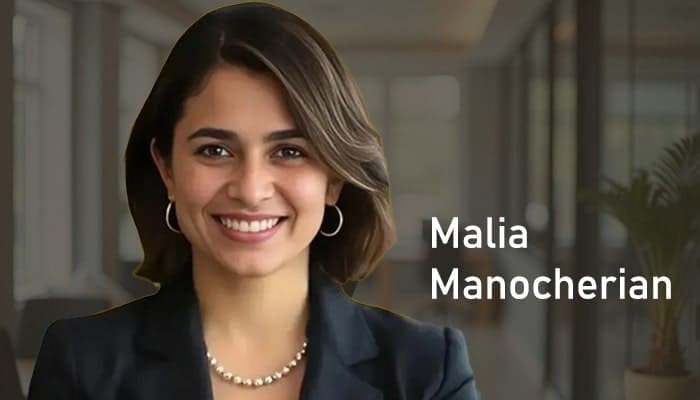
Malia Manocherian is widely recognized as a modern figure who blends business acumen with social responsibility. Known for her association with real estate, philanthropy, wellness advocacy, and community-oriented initiatives, she represents a growing class of leaders who believe success should extend beyond financial performance. Rather than focusing solely on visibility or public recognition, Malia Manocherian’s work reflects a quieter but deeply influential approach—one centered on long-term impact, thoughtful development, and human well-being.
This article explores her background, professional orientation, philanthropic interests, leadership philosophy, and the broader significance of her work in today’s social and economic landscape.
Background and Influences
Malia Manocherian comes from a background closely connected to real estate and urban development, particularly in New York City. The Manocherian name has long been associated with property ownership and management, giving her early exposure to how cities function and how built environments shape daily life. Growing up around conversations on development, housing, and responsibility provided her with a foundational understanding of the relationship between private enterprise and public good.
While many details of her early life remain private, what stands out is the influence of an environment that valued both entrepreneurship and civic awareness. This combination appears to have shaped her outlook—one that recognizes business as a tool not only for growth, but also for improving quality of life.
A Thoughtful Approach to Real Estate
Real estate plays a central role in Malia Manocherian’s professional identity, but her approach differs from conventional profit-driven models. She views property development and management as an opportunity to create environments that support wellness, sustainability, and community cohesion.
Rather than focusing solely on scale or rapid expansion, her perspective emphasizes longevity and responsibility. Buildings are not just assets; they are places where people live, work, and build their lives. This philosophy encourages careful planning, attention to design, and respect for surrounding neighborhoods.
Sustainability is often highlighted in discussions of her work. Energy efficiency, modern infrastructure, and environmentally conscious upgrades reflect an awareness of the long-term environmental impact of urban development. In an era when cities face mounting challenges related to climate change and population density, such considerations are increasingly essential.
Philanthropy as a Core Commitment
Beyond real estate, Malia Manocherian is known for her strong commitment to philanthropy. Her charitable efforts are rooted in the belief that access to opportunity is fundamental to a healthy society. Rather than one-time donations, her approach tends to focus on initiatives that produce lasting benefits.
Education is a recurring theme in her philanthropic interests. Supporting educational access, mentorship, and skill-building initiatives helps individuals develop the tools they need to succeed independently. By investing in education, she contributes to breaking cycles of inequality and empowering future generations.
Healthcare and wellness also feature prominently in her philanthropic work. Supporting initiatives related to physical health, mental well-being, and preventative care reflects a holistic understanding of what it means for individuals and communities to thrive. Wellness, in this sense, is not a luxury but a necessity—closely tied to productivity, stability, and quality of life.
Advocacy for Wellness and Balance
Malia Manocherian’s interest in wellness extends beyond philanthropy and into her broader worldview. She advocates for balance in both personal and professional life, recognizing that sustainable success requires attention to mental and emotional health as well as material achievement.
This philosophy often intersects with her work in real estate and community spaces. Design choices that incorporate natural light, open layouts, and calming environments align with modern research on how physical surroundings influence mental well-being. By promoting spaces that reduce stress and encourage connection, she reinforces the idea that wellness can be built into everyday life.
Her focus on wellness also reflects a broader cultural shift. As burnout and mental health challenges become more widely acknowledged, leaders who prioritize well-being are helping redefine what responsible leadership looks like in the twenty-first century.
Leadership Style and Values
Malia Manocherian’s leadership style is often described as thoughtful, empathetic, and collaborative. Rather than adopting a highly public or authoritative persona, she appears to value listening, long-term planning, and inclusive decision-making.
Mentorship is an important aspect of her leadership philosophy. By supporting and guiding younger professionals—particularly women—she contributes to building more diverse and resilient leadership pipelines. This emphasis on mentorship reflects an understanding that influence is multiplied when knowledge and opportunity are shared.
Integrity and discretion are also notable characteristics. She maintains a relatively low public profile, allowing her work and its outcomes to speak for themselves. In a culture that often equates leadership with visibility, this approach underscores a belief that impact does not require constant attention.
Navigating Urban and Social Challenges
Operating at the intersection of real estate, philanthropy, and advocacy inevitably involves complex challenges. Urban development often brings competing interests, including economic pressures, regulatory constraints, and community concerns. Malia Manocherian’s work reflects an effort to navigate these challenges with balance and responsibility.
By acknowledging the human dimension of development—how policies and projects affect residents—she aligns herself with a more community-conscious model of growth. This approach recognizes that cities function best when development is inclusive, transparent, and responsive to local needs.
Her broader influence can also be seen in conversations around housing access, urban sustainability, and social equity. While not always in the public spotlight, her perspective contributes to shaping more thoughtful discussions about how cities evolve.
Cultural and Personal Interests
In addition to her professional and philanthropic pursuits, Malia Manocherian is often associated with an appreciation for art, culture, and self-expression. These interests complement her work by reinforcing the idea that human creativity and identity matter in both personal and shared spaces.
Art and culture play a vital role in shaping communities, fostering dialogue, and encouraging reflection. An appreciation for these elements aligns naturally with her emphasis on environments that support both function and meaning.
Broader Impact and Legacy
Malia Manocherian’s work reflects a broader shift in how leadership and success are defined. Rather than separating business, philanthropy, and personal values, she integrates them into a cohesive vision. This approach resonates strongly in a world increasingly concerned with sustainability, equity, and well-being.
Her legacy is not defined by a single project or public achievement, but by a pattern of thoughtful engagement across multiple domains. Through real estate, she influences how people experience their environments. Through philanthropy, she supports access to education and health. Through leadership and mentorship, she contributes to the development of future leaders.
Conclusion
Malia Manocherian exemplifies a purpose-driven approach to modern leadership. By combining real estate expertise with philanthropy, wellness advocacy, and ethical values, she demonstrates how influence can be exercised responsibly and meaningfully. Her work highlights the idea that progress is most powerful when it serves people as well as profit.
In an era marked by rapid change and complex challenges, figures like Malia Manocherian offer a compelling model for the future—one where success is measured not only by growth, but by the positive, lasting impact left on communities and lives.