Introduction
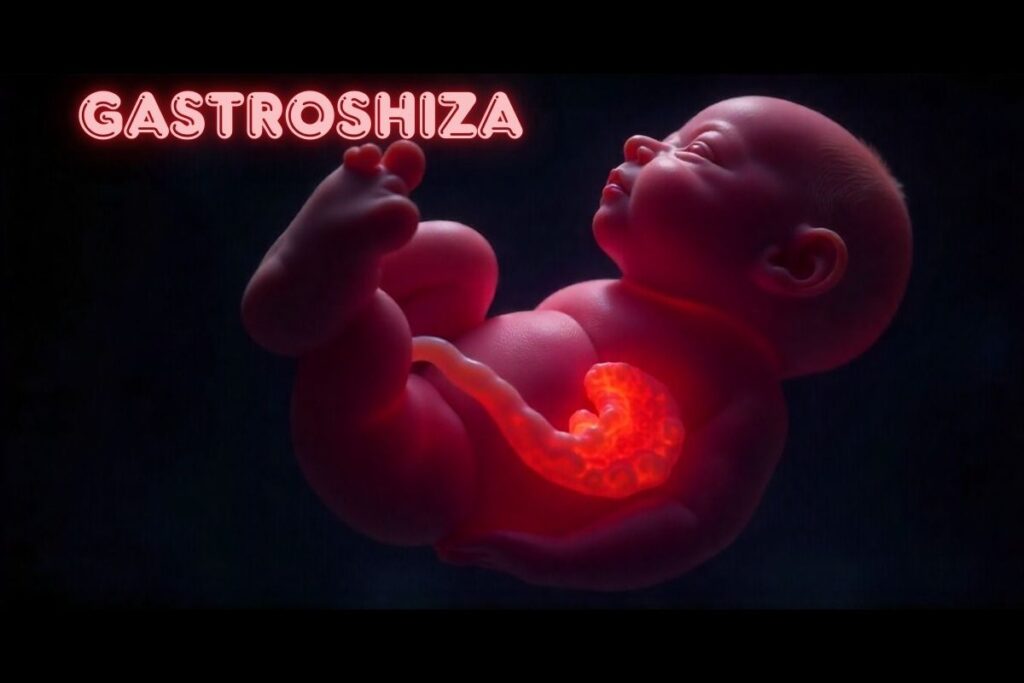
Gastroshiza, more commonly spelled gastroschisis, is a rare congenital abdominal wall defect that occurs during fetal development. In this condition, a baby is born with the intestines—and sometimes other organs—protruding outside the body through a hole beside the belly button. Unlike similar abdominal wall disorders, the organs are not covered by a protective sac, which makes immediate medical care essential after birth.
Although the diagnosis can be alarming for parents, advances in prenatal screening, neonatal surgery, and intensive care have dramatically improved survival rates. Today, most babies born with gastroschisis go on to live healthy lives with proper treatment and long-term follow-up.
This article explores the causes, diagnosis, treatment, complications, and modern medical outlook for gastroschisis.
What Is Gastroschisis?
Gastroschisis is a birth defect that affects the abdominal wall. During normal fetal development, the abdominal wall forms and closes, keeping the internal organs in place. In babies with gastroschisis, a small opening—usually to the right of the umbilical cord—remains, allowing the intestines to extend outside the body into the amniotic fluid.
Because the exposed organs are not protected by a membrane:
-
They can become irritated and swollen.
-
They may not function normally at birth.
-
Immediate surgical care is required.
This condition is different from omphalocele, another abdominal wall defect in which the organs protrude through the navel and are covered by a thin sac.
How Common Is It?
Gastroschisis is considered rare but has been increasing in prevalence worldwide over the past few decades.
Key statistics:
-
It occurs in approximately 1 in 2,000 to 4,000 births.
-
It is more common in younger mothers, particularly those under 25.
-
It is slightly more frequent in male babies than in females.
The reason for the rising number of cases is still being researched.
Causes and Risk Factors
The exact cause of gastroschisis is not fully understood, but researchers believe it results from a disruption in blood flow to the developing abdominal wall during early pregnancy.
Several risk factors have been identified:
1. Young Maternal Age
Teenage mothers and women in their early twenties have a higher risk.
2. Lifestyle Factors
Some studies suggest links to:
-
Smoking
-
Alcohol use
-
Recreational drug use
3. Nutritional Factors
Poor maternal nutrition and low body mass index (BMI) may play a role.
4. Environmental Influences
Exposure to certain chemicals or infections during pregnancy is also being studied.
It is important to note that in most cases, nothing the parents did caused the condition.
Diagnosis Before Birth
Modern prenatal care allows gastroschisis to be detected during pregnancy, often in the second trimester.
Prenatal Ultrasound
-
Intestines floating freely in the amniotic fluid
-
A defect in the abdominal wall
-
Swelling or thickening of the bowel
Maternal Blood Tests
Elevated levels of alpha-fetoprotein (AFP) in the mother’s blood may suggest an abdominal wall defect.
Early diagnosis helps doctors:
-
Plan the delivery in a specialized hospital
-
Monitor fetal growth and bowel condition
-
Prepare for immediate surgical treatment after birth
Delivery and Immediate Care
Babies with gastroschisis are usually delivered in a hospital with:
-
Neonatal intensive care units (NICU)
-
Pediatric surgeons
Delivery may be vaginal or by cesarean section depending on:
-
The baby’s condition
-
Bowel health
-
Obstetric factors
Immediately after birth:
-
The exposed organs are covered with sterile material.
-
The baby is given fluids and temperature support.
-
A tube is placed in the stomach to prevent swelling.
-
Surgery is planned.
Surgical Treatment
Surgery is required to place the organs back inside the abdomen and close the opening.
Types of Surgical Repair
1. Primary Closure
If the intestines are not too swollen:
-
Organs are returned to the abdomen
-
The hole is closed in one operation
2. Staged Repair (Silo Method)
-
A sterile pouch (silo) is placed over the organs
-
The intestines are gradually moved back inside over several days
-
Final closure is done later
This method reduces pressure on the baby’s lungs and heart.
Recovery in the NICU
After surgery, babies stay in the NICU for several weeks or months.
During this time:
-
They receive nutrition through an IV (total parenteral nutrition)
-
Feeding begins slowly through a tube
-
Doctors monitor bowel function
-
Infection prevention is critical
The biggest milestone is when the baby can:
-
Digest milk
-
Gain weight
-
Breathe without support
Possible Complications
While survival rates are high, some challenges may occur.
Short-Term Complications
-
Infection
-
Feeding difficulties
-
Slow bowel movement (intestinal dysmotility)
Long-Term Complications
-
Intestinal blockage
-
Short bowel syndrome (in severe cases)
-
Growth delays
-
Nutritional deficiencies
Most children recover well and lead normal lives with proper care.
Long-Term Outlook
The survival rate for gastroschisis in developed medical settings is now above 90–95%.
Many children:
-
Eat normally
-
Grow at a typical rate
-
Participate in regular activities
Follow-up care may include:
-
Pediatric surgery checkups
-
Nutritional monitoring
-
Developmental assessments
Emotional Impact on Families
A prenatal diagnosis can be overwhelming for parents. However, counseling and medical support help families prepare.
Important support strategies include:
-
Meeting the neonatal care team before birth
-
Joining parent support groups
-
Receiving clear information about treatment and recovery
Parents play a crucial role in the baby’s recovery, especially during feeding and bonding after NICU discharge.
Prevention and Research
Because the exact cause is unknown, there is no guaranteed way to prevent gastroschisis. However, healthy pregnancy practices are always recommended:
-
Balanced nutrition
-
Avoiding smoking and alcohol
-
Regular prenatal checkups
-
Taking prenatal vitamins with folic acid
Ongoing research is exploring:
-
Genetic influences
-
Environmental factors
-
Improved surgical techniques
-
Faster feeding recovery methods
Living with Gastroschisis: Success Stories
Many individuals born with gastroschisis grow up to live full and active lives. With modern medicine:
-
Scars become less noticeable over time
-
Digestive function improves
-
Quality of life is excellent in most cases
These success stories offer hope to families facing a new diagnosis.
Conclusion
Gastroschisis is a serious but highly treatable congenital condition. Thanks to early prenatal detection, advanced neonatal care, and refined surgical techniques, the outlook for affected babies has improved dramatically.
While the journey may involve weeks or months of medical care, the long-term prognosis is overwhelmingly positive. Education, emotional support, and access to specialized healthcare make a profound difference for both the baby and the family.
Understanding gastroschisis not only reduces fear but also highlights the incredible progress of modern medicine in giving these newborns a healthy start to life.