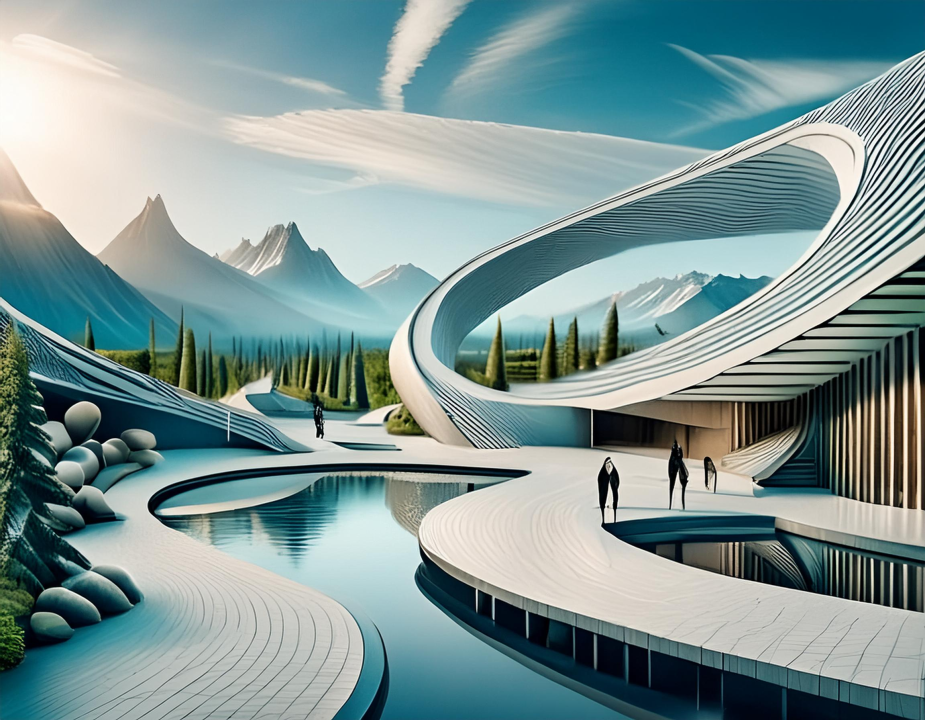
In a world saturated with constant notifications, visual clutter, and digital noise, the idea of escape has taken on new meaning. Increasingly, people are not seeking more stimulation, but less—less distraction, less chaos, and more intentional experiences. This is where the concept of ZeroScape emerges. ZeroScape represents a modern philosophy and design approach focused on clarity, immersion, and purposeful disengagement from excess, whether in digital environments, physical spaces, or creative projects.
Rather than implying emptiness or absence, ZeroScape emphasizes refinement: removing what is unnecessary so that what remains becomes more powerful. Across technology, design, wellness, and creative culture, ZeroScape is gaining attention as a response to overload and burnout.
Understanding the Concept of ZeroScape
At its core, ZeroScape combines two ideas: “zero,” symbolizing reduction and intentional minimalism, and “scape,” suggesting an environment or immersive space. Together, ZeroScape refers to curated environments—digital or physical—that promote focus, calm, and depth by stripping away distractions.
ZeroScape does not mean abandoning technology or creativity. Instead, it encourages a conscious reshaping of experiences so users or participants can engage more meaningfully. Whether applied to a website interface, a virtual world, a meditation space, or a creative installation, ZeroScape prioritizes presence over noise.
ZeroScape in Digital Design
One of the most prominent applications of ZeroScape is in digital product and interface design. As apps and websites compete aggressively for attention, many users experience cognitive fatigue. ZeroScape-oriented digital design counters this trend by emphasizing simplicity and restraint.
Key characteristics include clean layouts, limited color palettes, generous white space, and clear hierarchies. Navigation is intuitive, not overwhelming. Animations, if used, are subtle and purposeful. The goal is to reduce friction and mental load, allowing users to complete tasks efficiently or consume content without distraction.
This philosophy aligns closely with the growing demand for digital well-being. Tools designed with ZeroScape principles often help users focus, reduce screen anxiety, and regain a sense of control over their attention.
Immersive Environments and Virtual ZeroScapes
Beyond traditional interfaces, ZeroScape is increasingly associated with immersive environments, particularly in virtual and experiential design. Virtual reality, augmented reality, and interactive installations can overwhelm users if overloaded with stimuli. ZeroScape approaches immersion differently.
Instead of filling virtual worlds with constant action, ZeroScape environments focus on atmosphere, space, and intentional pacing. Soundscapes may be ambient and slow-moving. Visual elements are minimal yet deeply detailed. Users are encouraged to explore rather than react.
These environments are often used for meditation, creative exploration, or mental reset. By reducing sensory overload, ZeroScape immersion helps users feel grounded, even within digital realms.
ZeroScape and Wellness Culture
The rise of ZeroScape closely parallels shifts in wellness culture. Burnout, anxiety, and information fatigue have become common experiences in modern life. ZeroScape responds by offering spaces—literal or conceptual—designed for recovery and reflection.
In wellness applications, ZeroScape principles may appear in guided meditation apps, minimalist fitness studios, or retreat environments that prioritize silence, natural elements, and intentional routines. The absence of clutter becomes a feature rather than a lack.
Psychologically, these spaces support mindfulness and stress reduction. When external stimuli are reduced, individuals can reconnect with internal awareness. ZeroScape, in this sense, is not an escape from reality but a return to it.
Creative Expression Through ZeroScape
Artists, musicians, and writers are also embracing ZeroScape as a creative framework. Instead of maximalist expression, ZeroScape creativity values restraint and suggestion. A single sound, image, or phrase can carry more emotional weight when it is not surrounded by excess.
In visual art, this may appear as sparse compositions with strong negative space. In music, it might involve minimal arrangements that emphasize silence as much as sound. In writing, ZeroScape storytelling favors clarity, pacing, and depth over density.
This approach challenges the assumption that more content equals more impact. ZeroScape creativity demonstrates that intentional limitation can actually amplify meaning.
ZeroScape in Architecture and Physical Spaces
The philosophy of ZeroScape extends naturally into architecture and interior design. Modern homes, offices, and public spaces increasingly adopt minimalist aesthetics not just for style, but for mental comfort.
ZeroScape-inspired physical spaces use clean lines, natural materials, and controlled lighting to create calm environments. Furniture is functional and thoughtfully placed. Colors are often neutral, allowing occupants to feel grounded rather than stimulated.
These environments support focus, creativity, and rest. In workplaces, ZeroScape design can improve productivity and reduce stress. In homes, it encourages presence and intentional living rather than accumulation.
Technology as a Tool, Not a Distraction
A key principle of ZeroScape is redefining the role of technology. Rather than rejecting it, ZeroScape integrates technology in ways that serve human needs without dominating attention.
This might include devices with simplified interfaces, apps designed to do one thing exceptionally well, or systems that encourage breaks and reflection rather than constant engagement. Technology becomes invisible when it works well, allowing users to focus on their goals rather than the tool itself.
This perspective resonates strongly with users seeking balance rather than total digital detox. ZeroScape does not demand withdrawal—it promotes mindful integration.
Challenges and Misconceptions
Despite its appeal, ZeroScape is sometimes misunderstood. Critics may assume it equates to emptiness, boredom, or lack of creativity. In reality, ZeroScape requires careful curation and deep intentionality. Creating meaningful simplicity is often more challenging than adding complexity.
Another challenge is accessibility. Minimalist design and immersive experiences can sometimes feel exclusive if not thoughtfully implemented. ZeroScape must remain inclusive, adaptable, and responsive to diverse needs to avoid becoming a purely aesthetic trend.
The Future of ZeroScape
As attention becomes an increasingly scarce resource, the relevance of ZeroScape is likely to grow. Individuals and organizations alike are rethinking how environments—digital and physical—affect mental health, productivity, and creativity.
Future ZeroScape applications may include AI-powered focus tools, adaptive environments that respond to user stress levels, and hybrid spaces blending nature, technology, and minimalism. The underlying goal will remain the same: to create experiences that feel intentional, humane, and restorative.
ZeroScape may also influence education, healthcare, and urban planning, where reduced cognitive load and improved well-being can have significant societal benefits.
Conclusion
ZeroScape represents a shift away from excess toward intentional experience. Whether applied to digital design, immersive environments, wellness practices, or creative expression, it offers a framework for reclaiming focus and meaning in an overloaded world.
By removing the unnecessary, ZeroScape makes room for clarity, presence, and depth. It reminds us that escape does not always mean going somewhere else—sometimes it means simplifying where we already are. In this way, ZeroScape is not just a design trend, but a philosophy for navigating modern life with greater awareness and balance.