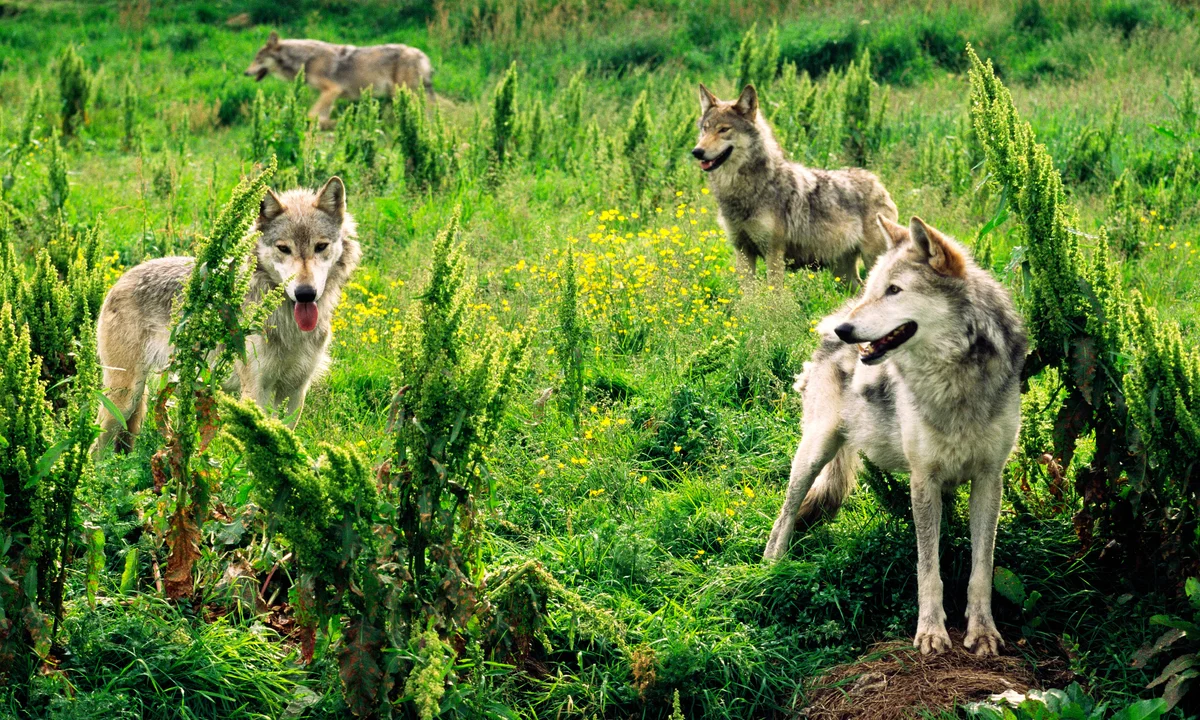
Few animals inspire as much fascination, respect, and debate as wilderness wolves. For thousands of years, wolves have roamed forests, mountains, tundra, and plains, shaping ecosystems and human imagination alike. They are symbols of freedom and resilience, feared predators and deeply social creatures, often misunderstood yet essential to the health of the wild places they inhabit.
This article explores wilderness wolves in depth—their biology, behavior, ecological importance, relationship with humans, and the challenges they face in the modern world.
Understanding Wilderness Wolves
Wilderness wolves generally refer to wild gray wolves (Canis lupus) and their close relatives living in natural, unmanaged environments. These wolves are not domesticated, nor are they dependent on humans for survival. Instead, they thrive in ecosystems where natural prey, space, and ecological balance still exist.
Gray wolves are the most widely distributed land mammals after humans, historically ranging across North America, Europe, Asia, and parts of the Middle East. Today, their range is more limited, but wilderness wolves continue to survive in remote and protected regions.
Physical Characteristics and Adaptations
Wolves are powerful, highly adapted predators built for endurance rather than speed.
Key physical traits include:
-
Strong legs and large paws for traveling long distances over snow and rough terrain
-
Thick fur coats that insulate them in extreme cold
-
Keen senses, especially smell and hearing
-
Powerful jaws capable of bringing down large prey
Adult wolves typically weigh between 30 and 60 kilograms, though size varies by region. Arctic wolves tend to be larger and stockier, while desert or southern wolves are often smaller and leaner.
Social Structure: Life in the Pack
One of the most remarkable aspects of wilderness wolves is their complex social structure. Wolves live in family groups called packs, usually consisting of:
-
A breeding pair
-
Their offspring from different years
-
Occasionally adopted or related wolves
Contrary to popular myths, wolf packs are not ruled by constant aggression. Cooperation, communication, and social bonds are central to pack life. Wolves hunt together, raise pups collectively, and defend territory as a unit.
Communication within the pack includes:
-
Howling to locate members and warn rivals
-
Body language such as tail position and posture
-
Facial expressions and vocalizations
These social skills are key to their survival in the wild.
Hunting and Diet in the Wilderness
Wilderness wolves are apex predators, meaning they sit at the top of the food chain. Their diet depends heavily on their habitat.
Common prey includes:
-
Deer, elk, and moose
-
Caribou and reindeer
-
Wild sheep and goats
-
Smaller mammals like rabbits and rodents
Wolves typically hunt weak, sick, or old animals, which helps maintain healthy prey populations. Hunting is physically demanding and risky—injuries can be fatal—so wolves rely on teamwork and strategy rather than brute force alone.
They may travel dozens of kilometers in a single day searching for food, demonstrating extraordinary stamina.
Ecological Importance of Wilderness Wolves
Wolves play a keystone role in ecosystems, meaning their presence has a disproportionately large impact on environmental health.
Trophic Cascades
When wolves are present, they help regulate prey populations. This creates a ripple effect known as a trophic cascade:
-
Fewer overgrazing herbivores
-
Recovery of vegetation such as trees and shrubs
-
Improved habitats for birds, insects, and other wildlife
-
Healthier riverbanks and soil stability
A famous example is the reintroduction of wolves to Yellowstone National Park, which led to widespread ecological recovery.
Wolves and the Wilderness Landscape
Wilderness wolves are deeply connected to vast, open landscapes. They require:
-
Large territories
-
Minimal human disturbance
-
Abundant prey
A single pack’s territory can range from 100 to over 1,000 square kilometers, depending on food availability. This need for space makes wolves particularly vulnerable to habitat fragmentation caused by roads, urban expansion, and agriculture.
Wolves in Human History and Myth
Throughout history, wolves have occupied a powerful place in human culture.
In myths and folklore, wolves have been portrayed as:
-
Fierce enemies and monsters
-
Loyal family figures
-
Symbols of strength, survival, and freedom
From Roman legends of Romulus and Remus to Native American spiritual traditions, wilderness wolves have represented both danger and wisdom. Unfortunately, fear-based stories also contributed to centuries of persecution.
Conflict Between Wolves and Humans
The relationship between humans and wilderness wolves has often been tense. As human settlements expanded, wolves were hunted heavily to protect livestock and communities.
Common sources of conflict include:
-
Predation on livestock
-
Competition with hunters for game animals
-
Fear fueled by misinformation
While attacks on humans are extremely rare, negative perceptions persist. Modern wildlife management focuses on coexistence strategies, such as:
-
Livestock guarding animals
-
Improved fencing
-
Compensation programs for farmers
Conservation Status and Threats
Although wolves are more resilient than many predators, wilderness wolves still face significant threats.
Major challenges include:
-
Habitat loss and fragmentation
-
Illegal hunting and poaching
-
Political and legal instability in conservation policies
-
Climate change affecting prey availability
In some regions, wolves are protected and slowly recovering. In others, they remain endangered or locally extinct.
The Role of Protected Wilderness Areas
Protected areas such as national parks and wildlife reserves are crucial for wilderness wolves. These regions provide:
-
Safe breeding grounds
-
Stable prey populations
-
Reduced human-wolf conflict
However, wolves do not recognize borders. Their survival often depends on landscape-level conservation that connects protected areas through wildlife corridors.
Wolves as Indicators of Ecosystem Health
Because wolves need large, intact ecosystems to survive, their presence often indicates a healthy wilderness. When wolves thrive, it suggests:
-
Balanced prey populations
-
Functional food chains
-
Relatively low human disturbance
For this reason, wolves are sometimes called “umbrella species”—protecting them also protects many other species sharing the same habitat.
Modern Research and Technology
Advances in science have transformed how we understand wilderness wolves. Researchers now use:
-
GPS collars to track movement
-
Camera traps to monitor behavior
-
Genetic analysis to study populations
This research has revealed wolves to be intelligent, adaptable, and emotionally complex animals, capable of forming strong social bonds and solving problems cooperatively.
The Future of Wilderness Wolves
The future of wilderness wolves depends largely on human choices. Coexistence, education, and science-based policy are key factors.
Positive trends include:
-
Growing public awareness
-
Successful reintroduction programs
-
Increased recognition of ecological value
At the same time, ongoing debate over land use, hunting rights, and conservation funding continues to shape wolf management worldwide.
Why Wilderness Wolves Matter
Wilderness wolves matter not only because they are fascinating animals, but because they remind us of something deeper: the importance of wildness itself. They represent ecosystems functioning as they should, free from excessive human control.
Protecting wolves means protecting forests, mountains, rivers, and the countless species that depend on them.
Conclusion
Wilderness wolves are more than predators roaming remote landscapes. They are guardians of ecological balance, symbols of untamed nature, and living links to a world where humans were once just another species among many.
Understanding and respecting wilderness wolves is essential for preserving the health of our planet. As long as wolves continue to howl in the wild, they remind us that true wilderness still exists—and that it is worth protecting.