Abbreviations and shortened terms are everywhere in modern communication, especially in professional environments and digital spaces. One such term that often causes confusion is “VTO.” Many people encounter it in workplace emails, HR systems, or online discussions and wonder what it actually means. The truth is that VTO has multiple meanings, and its interpretation depends heavily on context. Understanding these different uses can help you communicate more clearly and avoid misunderstandings.
This article explores what VTO means, its most common definitions, how it is used in different industries, and why context is essential when interpreting the term.
What Does VTO Mean?
At its core, VTO is an acronym, meaning each letter stands for a word. Unlike some abbreviations that have one fixed definition, VTO has several widely accepted meanings across various fields. The most common and recognizable meanings include:
-
Voluntary Time Off
-
Value Stream Transformation Office
-
Voice Termination Office
-
Video Telemetry Output
-
Virtual Try-On
Among these, Voluntary Time Off is by far the most common usage, particularly in workplaces and HR contexts.
VTO as Voluntary Time Off
The most popular and widely used meaning of VTO is Voluntary Time Off. This term is commonly used in corporate, warehouse, retail, and customer service environments. Voluntary Time Off refers to unpaid time off that employees can choose to take, usually when business demand is low.
Unlike PTO (Paid Time Off), VTO does not compensate employees for the hours they miss. However, it offers flexibility and work-life balance, making it appealing to employees who want time off without using their paid leave.
How Voluntary Time Off Works
Employers typically offer VTO during periods of reduced workload. Employees may receive notifications through internal systems, apps, or supervisors, allowing them to opt in voluntarily. Approval is often granted on a first-come, first-served basis.
Key characteristics of VTO include:
-
It is optional, not mandatory
-
It is usually unpaid
-
It helps companies manage labor costs
-
It gives employees flexibility
VTO is especially common in large operations such as warehouses, call centers, and fulfillment centers, where staffing needs can change quickly.
Benefits of VTO for Employees
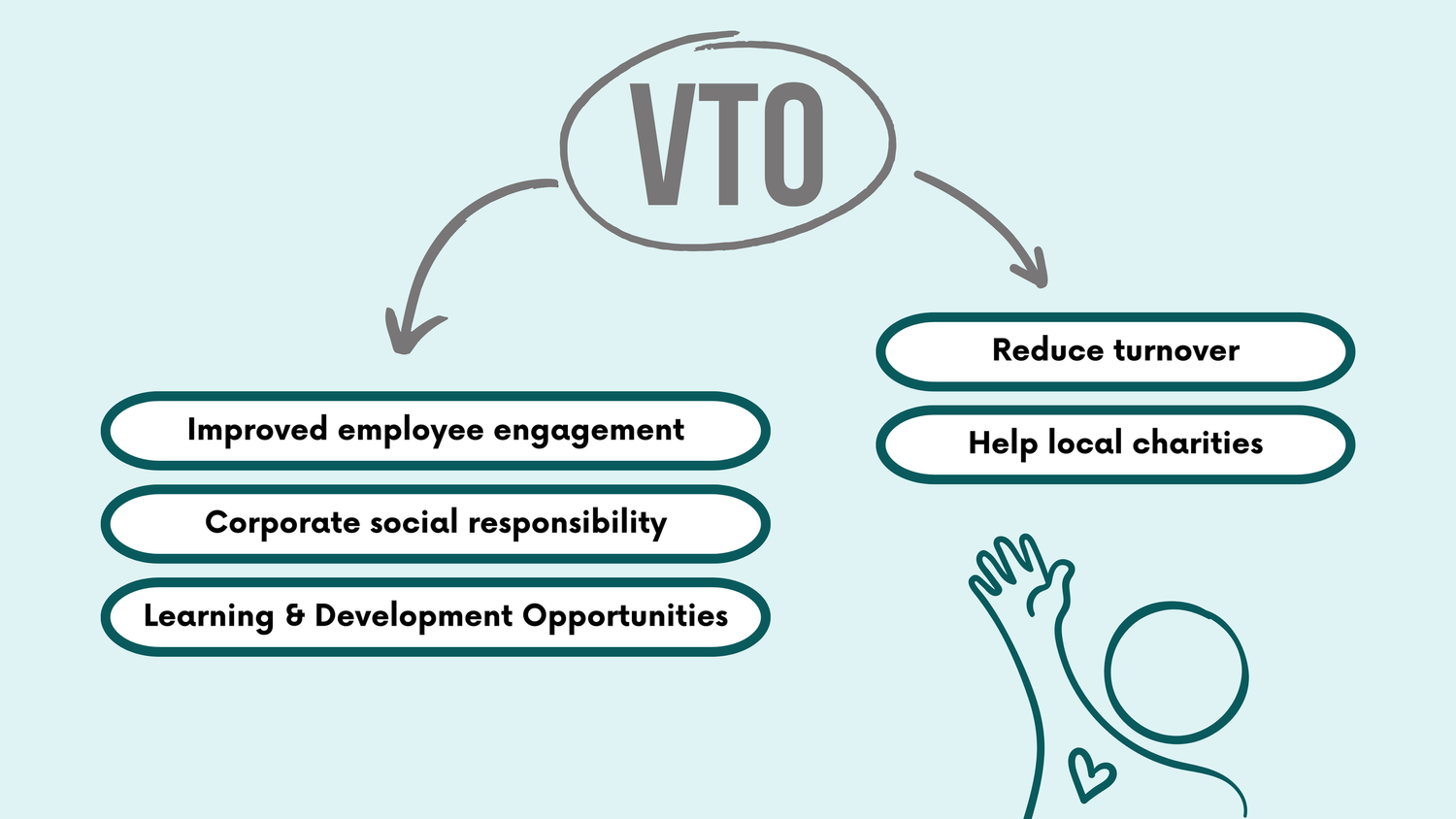
While unpaid time off may not appeal to everyone, VTO offers several advantages for employees:
-
Flexibility: Employees can take time off when they need a break or have personal obligations.
-
Work-Life Balance: VTO allows workers to rest and recharge without using paid leave.
-
Autonomy: Since it is voluntary, employees have control over their schedules.
-
Reduced Burnout: Taking time off during slow periods can help prevent stress and fatigue.
For employees who value time over money in certain situations, VTO can be a valuable option.
Benefits of VTO for Employers
Employers also benefit from offering VTO, which is why it has become so popular:
-
Cost Savings: Companies reduce payroll expenses during slow periods.
-
Efficient Staffing: VTO helps align workforce levels with demand.
-
Employee Satisfaction: Offering flexible options can improve morale.
-
Operational Efficiency: Managers can quickly adjust staffing without layoffs.
In many organizations, VTO is part of a broader workforce management strategy.
VTO vs PTO: What’s the Difference?
VTO is often confused with PTO, but the two are very different:
-
VTO (Voluntary Time Off): Unpaid, optional, offered by the employer
-
PTO (Paid Time Off): Paid leave earned by the employee
Understanding this distinction is important, especially when reviewing schedules, pay stubs, or company policies.
VTO in Lean Management and Business Strategy
In business and operations management, VTO can also stand for Value Stream Transformation Office. This meaning is far less common but important in certain corporate environments.
A Value Stream Transformation Office focuses on improving business processes by applying lean principles. Its goal is to optimize workflows, eliminate waste, and increase efficiency across an organization.
In this context, VTO is not about time off at all. Instead, it refers to a specialized team or department responsible for driving operational excellence and continuous improvement.
VTO in Telecommunications
In the telecommunications industry, VTO may mean Voice Termination Office. This refers to a technical facility or system that handles the routing and termination of voice calls.
This usage is highly specialized and usually appears in technical documentation or industry-specific discussions. Outside of telecom environments, this meaning is rarely encountered.
VTO in Retail and E-Commerce
Another modern meaning of VTO is Virtual Try-On. This term is commonly used in retail, fashion, and e-commerce industries. Virtual Try-On technology allows customers to see how products like clothing, glasses, or makeup will look on them using augmented reality.
In this context, VTO represents innovation in online shopping, improving customer confidence and reducing return rates.
VTO in Technology and Media
In some technical fields, VTO can also refer to Video Telemetry Output or similar terms related to data and media transmission. These uses are typically limited to engineering or specialized technical environments.
Why Context Is Everything
The wide range of meanings for VTO highlights the importance of context. Seeing the term in an HR email likely means Voluntary Time Off, while encountering it in a retail tech article probably refers to Virtual Try-On.
To determine the correct meaning, consider:
-
The industry or workplace
-
The surrounding words and phrases
-
The purpose of the communication
When in doubt, asking for clarification is always better than making assumptions.
How to Use VTO Correctly
If you plan to use the term VTO in communication, clarity is key. In professional writing or public content, it is best to define the term the first time it appears. For example, “Voluntary Time Off (VTO)” helps ensure everyone understands the meaning.
This practice is especially important in environments where people from different departments or backgrounds may interpret the term differently.
The Growing Popularity of VTO
The rise of VTO, particularly as Voluntary Time Off, reflects changing workplace values. Flexibility, autonomy, and work-life balance are increasingly important to modern employees. Companies that offer VTO demonstrate adaptability and responsiveness to workforce needs.
At the same time, technological meanings like Virtual Try-On show how VTO is also associated with innovation and digital transformation.
Conclusion
So, what does VTO mean? The answer depends on where and how the term is used. Most commonly, VTO stands for Voluntary Time Off, a flexible, unpaid leave option offered by employers. However, it can also mean Value Stream Transformation Office, Virtual Try-On, or other specialized terms in specific industries.
Understanding the context behind VTO is essential for accurate interpretation. As workplaces and technologies continue to evolve, acronyms like VTO will remain a part of everyday language. By knowing its different meanings, you can navigate conversations, policies, and professional environments with greater confidence and clarity.