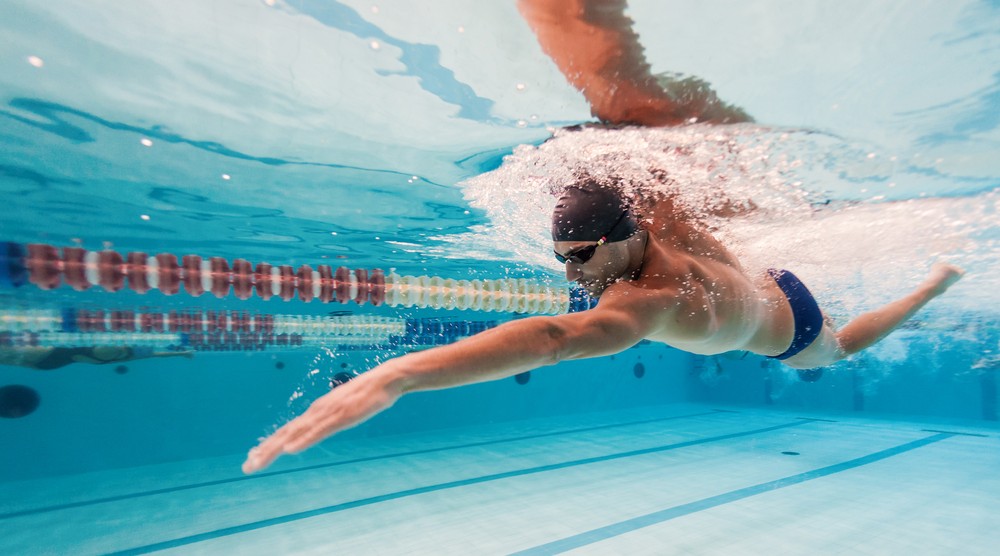
The swimmer’s body is often admired for its unique blend of power, symmetry, and fluidity. It represents an ideal that is both athletic and aesthetic, shaped not by trends but by the demands of water. Whether you’re drawn to its streamlined profile, curious about how swimmers develop such physiques, or interested in cultivating the look yourself, the swimmer body offers a fascinating intersection of biology, training, and lifestyle. This article explores what makes the swimmer body distinct, how it develops, and why it continues to symbolize a balance of grace and performance.
Defining the Swimmer Body
A swimmer body generally refers to the physical traits that competitive swimmers acquire through consistent training. It is characterized by broad shoulders, a tapered waist, well-developed back muscles, long limbs, and toned—but not overly bulky—muscles. These traits aren’t purely aesthetic; they are functional adaptations that help swimmers move efficiently through water.
Unlike land-based athletes such as sprinters or weightlifters, swimmers engage in a sport that reduces gravitational load. This shifts the body’s development toward endurance, mobility, and balanced muscle recruitment. The result is a physique that looks long, lean, and sculpted.
Key Features of the Swimmer Physique
1. Broad Shoulders and V-Shaped Torso
One of the most recognizable characteristics of a swimmer body is the expansive shoulder width. Swimming strokes, especially freestyle, butterfly, and backstroke, rely heavily on the deltoids, latissimus dorsi, trapezius, and rotator cuff muscles. Over time, these muscles become strong and defined, contributing to the classic V-shape with a narrower waist.
2. Powerful Back and Core
Swimmers depend on their backs to anchor each stroke and their core to maintain alignment in the water. Training heavily recruits the lats, spinal erectors, and abdominal muscles, leading to a back that appears wide and toned. The core remains firm but flexible, essential to stabilizing the hips and maintaining a streamlined form.
3. Lean, Toned Muscles Without Excess Bulk
Because water provides resistance from all angles, swimmers develop long, functional muscle fibers rather than dense bulk. The repetitive, full-body nature of swimming encourages muscle endurance and uniform development. This creates an even, symmetrical physique with definition rather than size.
4. Lower Body Strength With Streamlined Appearance
Although the upper body tends to be more prominent, swimmers use their legs for propulsion, stabilization, and maintaining rhythm. The quadriceps, hamstrings, glutes, and calves develop strength and tone, but often appear leaner than those of cyclists or sprinters, who rely heavily on explosive leg power.
5. Exceptional Flexibility and Mobility
Years of technical refinement in the shoulders, hips, and ankles contribute to a swimmer’s flexible joints and smooth movement. This mobility helps reduce drag, improve stroke mechanics, and prevent injury. It also contributes to the relaxed, fluid posture that many swimmers display on land.
How Training Shapes the Swimmer Body
The swimmer body is not built solely in the weight room—it’s crafted through thousands of hours in the pool. Training programs typically include a combination of endurance, speed work, technique drills, and dry-land conditioning.
1. High-Volume Repetitions
Swimmers may perform thousands of arm rotations and kicks per session. These high-repetition movements promote muscle endurance and efficiency, leading to long, supple strength rather than short, dense muscle fibers. This repetition is a major factor behind the lean musculature associated with swimmers.
2. Water Resistance as a Natural Sculptor
Water is denser than air, offering natural resistance in every direction. This creates a gentle but constant load on the body, toning muscles evenly. It’s also low-impact, reducing stress on joints and preventing the bulk-building strain associated with heavy weightlifting.
3. Cardiovascular Endurance and Fat Reduction
Swimming is one of the most energy-demanding forms of cardio. It elevates the heart rate while engaging nearly all muscle groups. This combination boosts metabolism, supports fat loss, and promotes a body composition that emphasizes muscle definition.
4. Technique-Driven Muscle Activation
Different strokes activate different muscle groups:
-
Freestyle emphasizes the shoulders, lats, and core.
-
Butterfly develops the chest, back, and hip flexors.
-
Breaststroke enhances leg muscles and hip mobility.
-
Backstroke strengthens the posterior chain and promotes shoulder balance.
Together, these strokes create full-body development rarely seen in other sports.
Genetics and the Swimmer Look
While training plays a major role, genetics can influence how easily someone develops a swimmer physique. Elite swimmers often have natural traits such as long torsos, large wingspans, flexible ankles, and high lung capacity. These characteristics provide competitive advantages and shape the body’s silhouette.
However, the beauty of the swimmer body is that many of its defining features—core strength, shoulder width, posture, and muscle tone—can be developed through consistent training, even without elite-level genetics.
How to Develop a Swimmer Body Yourself
If you’re inspired by the swimmer physique, the good news is that you don’t need to be a competitive athlete to achieve it. A blend of in-pool training and dry-land conditioning can help you build a similar shape.
1. Incorporate Regular Swim Workouts
Aim for 3–5 swim sessions per week, combining:
-
Endurance sets (long intervals to build cardiovascular capacity)
-
Speed sets (short, fast reps for power and tone)
-
Technique work (to engage muscles safely and effectively)
Consistency is more important than intensity in developing the tapered, balanced look.
2. Emphasize Full-Body Strength Training
Dry-land training helps enhance your swimming performance and aesthetic. Focus on exercises such as:
-
Pull-ups and lat pulldowns
-
Shoulder presses and rotator cuff work
-
Core routines like planks, twists, and leg raises
-
Squats and lunges for lower-body balance
The goal is not bulk, but strength, mobility, and symmetry.
3. Improve Flexibility and Mobility
Swimmer physiques benefit greatly from joint mobility. Incorporate stretching or yoga focused on:
-
Shoulder opening
-
Hip and hamstring flexibility
-
Ankle mobility
Regular mobility work improves posture and enhances the “fluid” look.
4. Maintain a Balanced Nutrition Plan
Nutrition plays a major role in creating lean definition. Support your training with:
-
Balanced protein intake
-
Slow-digesting carbs for endurance
-
Healthy fats for recovery
-
Plenty of hydration
While competitive swimmers consume large amounts of calories, recreational athletes should maintain balance to avoid excess body fat.
Why the Swimmer Body Is So Admired
The swimmer physique is appealing for reasons beyond aesthetics. It represents a blend of function and form—muscle built for movement rather than show. It signifies discipline, endurance, and mastery of a sport that demands patience and resilience.
Culturally, swimmers embody qualities often associated with balance: strength without rigidity, grace without fragility, and power without overwhelming mass. This makes the swimmer body a timeless form of athletic beauty.
Conclusion
The swimmer body stands out because it is a product of both nature and nurture—shaped by the physics of water, years of training, and the pursuit of efficiency. With its broad shoulders, lean muscles, and fluid symmetry, it remains one of the most admired athletic physiques. Whether your goal is performance, aesthetics, or simply a healthier lifestyle, adopting swimmer-style training can help you build a body that is not only visually striking but functionally strong and resilient.