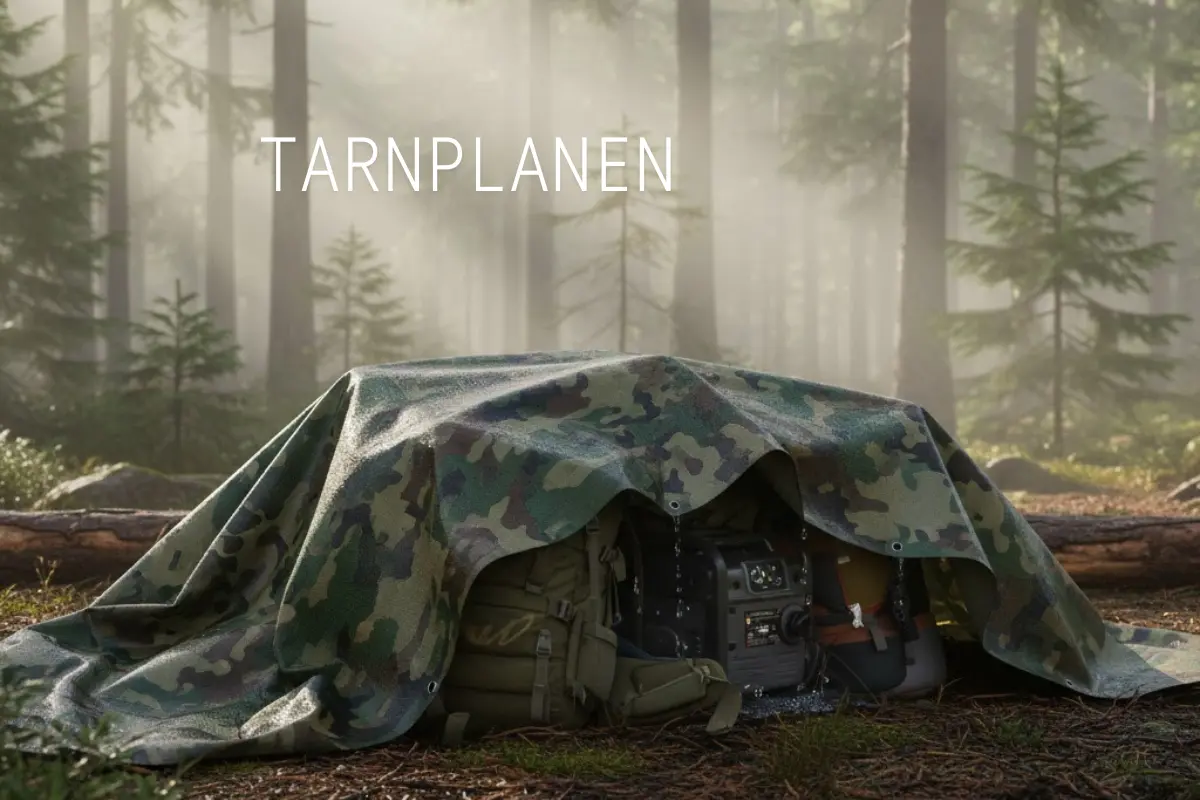
Tarnplanen, a term originating from the German language, refers to camouflage tarpaulins or heavy-duty protective covers designed for a wide range of outdoor, industrial, and military uses. The word combines “tarn,” meaning camouflage, and “planen,” meaning tarps or covers. These tarps are valued for their durability, weather resistance, and adaptability across multiple applications. From camping and construction to military operations and agricultural storage, tarnplanen play an important role in protecting equipment, supplies, and environments from harsh conditions.
In recent years, tarnplanen have gained popularity beyond their traditional military use. Outdoor enthusiasts, survivalists, farmers, and even homeowners rely on these versatile covers to shield objects from rain, sun, wind, and dust. Understanding what tarnplanen are, how they are made, and where they can be used helps reveal why they remain a practical solution for many protective needs.
The Origin and Meaning of Tarnplanen
The concept of tarnplanen emerged from military needs, particularly in European armed forces that required camouflage coverings for vehicles, equipment, and field shelters. Camouflage patterns allowed soldiers to conceal their presence and protect valuable resources from detection. Over time, the functionality of these tarps expanded beyond camouflage to include weatherproofing and general protection.
While traditional tarps are often plain in color, tarnplanen usually feature camouflage designs or earth-toned colors that blend into natural environments such as forests, deserts, or mountainous regions. This feature makes them especially useful for outdoor activities like hunting, wildlife observation, and survival training.
Today, tarnplanen are widely available in civilian markets, often marketed as heavy-duty tarps designed for outdoor protection and tactical use.
Materials and Construction
One of the key factors that make tarnplanen effective is the material used in their construction. Most modern tarps are made from strong synthetic materials such as polyethylene, polyester, or PVC-coated fabrics. These materials provide a balance of durability, flexibility, and water resistance.
Polyethylene tarps are among the most common due to their lightweight nature and affordability. They typically feature woven polyethylene fibers laminated with waterproof coatings that prevent water from penetrating the fabric.
PVC-coated tarps, on the other hand, are heavier and more robust. These are often used in industrial or military settings where extra strength is required. They can withstand extreme weather conditions, heavy loads, and prolonged exposure to sunlight.
In addition to material quality, the edges of tarnplanen are reinforced with grommets or eyelets. These metal rings allow users to secure the tarp with ropes, hooks, or bungee cords. Reinforced seams and corner patches also improve durability, ensuring the tarp can handle tension without tearing.
Key Features of Tarnplanen
Tarnplanen are valued for several distinctive features that make them highly versatile. These features include durability, weather resistance, and camouflage capabilities.
Weather Protection
One of the primary functions of tarnplanen is protecting objects from weather elements. They provide an effective barrier against rain, snow, wind, and sunlight. Waterproof coatings prevent moisture from seeping through the material, while UV-resistant layers help prevent damage caused by prolonged sun exposure.
This weather protection makes tarnplanen ideal for covering vehicles, equipment, firewood, and building materials stored outdoors.
Camouflage Design
The camouflage patterns found on many tarnplanen are not only visually distinctive but also functional. These patterns help the tarp blend with natural surroundings, making it useful for activities that require concealment.
Hunters often use camouflage tarps to create blinds that allow them to observe wildlife without being easily detected. Similarly, photographers and nature researchers use them to set up hidden observation points.
Strength and Durability
High-quality tarnplanen are designed to withstand tough conditions. Reinforced edges, thick fabric layers, and strong stitching ensure that the tarp can handle heavy loads and strong winds. Industrial-grade tarps may even resist punctures and abrasions, making them suitable for construction sites and transport operations.
Versatility
Perhaps the most significant advantage of tarnplanen is their versatility. A single tarp can serve multiple purposes depending on how it is used. It can act as a temporary shelter, ground cover, protective wrap, or even a makeshift tent.
Uses in Outdoor Activities
Outdoor enthusiasts often rely on tarnplanen for camping, hiking, and survival activities. Their lightweight yet durable design makes them easy to carry while providing essential protection in unpredictable environments.
Campers frequently use tarps as rain shelters or ground sheets beneath tents. When stretched between trees, a tarp can create a simple but effective shelter that protects campers from rain and wind.
Survivalists and bushcraft practitioners appreciate tarnplanen because they can quickly construct emergency shelters using minimal equipment. With a few ropes and stakes, a tarp can be transformed into a lean-to shelter, an A-frame tent, or a windbreak.
Hunters and wildlife observers also use camouflage tarps to remain hidden while watching animals in their natural habitats. The camouflage patterns allow the tarp to blend into forests and grasslands, reducing the chances of disturbing wildlife.
Industrial and Agricultural Applications
Beyond recreational use, tarnplanen are widely used in industrial and agricultural environments. Farmers rely on heavy-duty tarps to protect crops, hay, and machinery from weather damage. Covering stored grain or equipment with a durable tarp helps prevent moisture buildup and prolongs the lifespan of valuable resources.
Construction companies use tarps to protect building materials such as lumber, cement bags, and steel components from rain and dust. Tarps are also used to cover scaffolding or create temporary barriers on construction sites.
In transportation and logistics, tarps play a crucial role in securing cargo. Truck drivers often use heavy-duty tarps to cover loads on flatbed trailers, protecting goods from rain and debris during transport.
Military and Tactical Uses
The military origins of tarnplanen continue to influence their design and functionality. In tactical environments, camouflage tarps help conceal vehicles, equipment, and temporary shelters. Soldiers may also use them to create command posts, field kitchens, or protective coverings for supplies.
Modern military tarps are designed to be lightweight yet strong, allowing them to be easily transported and deployed in the field. Many include reinforced tie-down points and quick-deployment systems that allow soldiers to set up shelters rapidly.
In addition to camouflage, some military tarps are designed with infrared-reducing materials that help limit detection by thermal imaging devices.
Environmental Considerations
As environmental awareness grows, manufacturers are exploring ways to make tarps more sustainable. Traditional tarps made from plastic-based materials can take a long time to decompose, contributing to environmental waste.
To address this issue, some companies are developing recyclable tarp materials or using recycled plastics in production. These eco-friendly alternatives aim to reduce the environmental impact while maintaining the durability and performance expected from high-quality tarps.
Consumers can also extend the lifespan of tarnplanen by properly storing and maintaining them. Cleaning the tarp after use, allowing it to dry completely, and storing it in a cool place can prevent mold, mildew, and material degradation.
Choosing the Right Tarnplanen
Selecting the right tarp depends on the intended use. Several factors should be considered when purchasing tarnplanen, including size, thickness, material, and camouflage pattern.
The size of the tarp should match the object or area that needs to be covered. Larger tarps provide more flexibility but may require additional tie-down points to secure them properly.
Thickness is often measured in mils or grams per square meter. Thicker tarps generally offer greater durability but may also be heavier and less portable.
Material choice also plays a significant role. Polyethylene tarps are suitable for lightweight tasks and temporary shelters, while PVC-coated tarps provide maximum durability for industrial use.
Finally, the camouflage pattern should match the environment where the tarp will be used. Forest patterns work best in wooded areas, while desert patterns blend more effectively in sandy landscapes.
The Future of Tarnplanen
As technology advances, the design of tarnplanen continues to evolve. Manufacturers are experimenting with new materials that offer improved durability, lighter weight, and enhanced weather resistance. Some modern tarps incorporate reflective coatings, thermal insulation, or advanced camouflage patterns designed to reduce visibility in multiple environments.
Smart fabrics and multi-layered materials may also play a role in the future of tarp design. These innovations could lead to tarps that adapt to changing weather conditions or provide additional protection against extreme temperatures.
Despite these advancements, the core purpose of tarnplanen remains the same: providing reliable protection and versatility in a wide range of situations.
Conclusion
Tarnplanen represent a simple yet highly effective solution for protecting equipment, creating shelters, and blending into natural environments. Originally developed for military camouflage and field operations, these durable tarps have evolved into essential tools used in outdoor recreation, agriculture, construction, and transportation.
Their strength, weather resistance, and versatility make them valuable in countless scenarios. Whether used as a camping shelter, cargo cover, or protective barrier against the elements, tarnplanen demonstrate how a straightforward piece of equipment can deliver remarkable utility.
As materials and manufacturing methods continue to improve, tarnplanen will likely become even more efficient and environmentally friendly. For anyone seeking reliable outdoor protection or adaptable shelter solutions, these rugged tarps remain a practical and dependable choice.