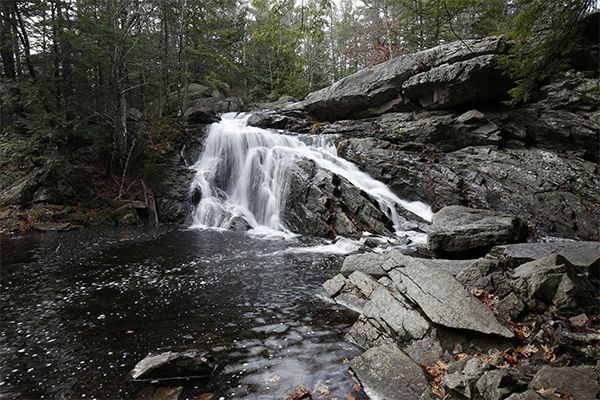
Purgatory Falls is one of New Hampshire’s most intriguing natural attractions, known for its rugged beauty, dramatic rock formations, and powerful waterfalls. Tucked away in the small town of Lyndeborough, this scenic destination offers hikers, nature lovers, and photographers a rewarding experience that blends adventure with tranquility. Despite its ominous name, Purgatory Falls is a place of striking natural charm and is considered one of the Granite State’s underrated outdoor treasures. This article provides a detailed look at Purgatory Falls, including its location, history, trails, safety considerations, and why it continues to captivate visitors year after year.
Where Is Purgatory Falls?
Purgatory Falls is located in Lyndeborough, New Hampshire, approximately 40 miles west of Portsmouth and about an hour’s drive from Boston. The falls are part of the Purgatory Falls Conservation Area, a protected natural space managed to preserve the region’s unique geological features and ecosystems.
Unlike some of New Hampshire’s more famous waterfalls, Purgatory Falls does not sit directly beside a road or parking lot. Reaching it requires a short hike, which adds to its appeal for those seeking a quieter, more immersive outdoor experience.
The Meaning Behind the Name
The name “Purgatory Falls” sparks curiosity and imagination. While there is no single confirmed origin, many believe the name comes from the dramatic, almost harsh landscape surrounding the falls. Steep granite walls, narrow gorges, and rushing water give the area a raw, untamed feel that early settlers may have associated with hardship or spiritual symbolism.
Others suggest the name reflects the challenge of navigating the rocky terrain, especially before modern trails existed. Regardless of its origin, the name adds an air of mystery that enhances the site’s allure.
Geological Significance
One of the most fascinating aspects of Purgatory Falls is its geology. The falls cut through ancient granite bedrock shaped by glacial activity thousands of years ago. As glaciers retreated, they carved deep channels and exposed the rock formations visible today.
The waterfall itself varies dramatically depending on the season. In spring, snowmelt and rain create a powerful cascade that roars through the gorge. In summer and early fall, water levels may drop, revealing sculpted rock pools and intricate stone patterns. This seasonal variation makes every visit feel unique.
The Hiking Trails
Purgatory Falls is accessible via several hiking trails, with the most popular route being a relatively short but moderately challenging hike. The main trail is approximately 1.5 miles round trip, though the difficulty can vary depending on weather and trail conditions.
Key trail features include:
-
Forested paths with mixed hardwood and pine trees
-
Rocky sections that require careful footing
-
Scenic viewpoints overlooking the gorge
-
Access points to the base and upper sections of the falls
While the hike is manageable for most people with basic fitness, it is not recommended for very young children or anyone with mobility issues due to uneven terrain.
What to Expect at the Falls
Upon reaching Purgatory Falls, visitors are greeted by a dramatic scene. Water spills through a narrow granite gorge, crashing into pools below. Massive rock slabs frame the waterfall, creating natural platforms where visitors often sit to rest or take photos.
During warmer months, some visitors enjoy dipping their feet in the water or relaxing near the pools. However, swimming is generally discouraged due to slippery rocks, strong currents during high flow, and sudden changes in water depth.
The sound of rushing water, combined with the surrounding forest, creates a peaceful atmosphere that feels far removed from nearby towns and roads.
Wildlife and Nature
The Purgatory Falls Conservation Area is home to a variety of wildlife and plant species. Hikers may spot birds such as woodpeckers, hawks, and songbirds, as well as small mammals like squirrels and chipmunks. The forest floor is often covered with ferns, mosses, and wildflowers, especially in spring and early summer.
Because the area is protected, visitors are encouraged to practice Leave No Trace principles. Staying on marked trails and respecting wildlife helps preserve the ecosystem for future generations.
Safety Considerations
While Purgatory Falls is beautiful, it is not without risks. The rocky terrain and steep drops require caution, especially after rain or during icy conditions. Slipping on wet rocks is one of the most common hazards.
Safety tips for visiting Purgatory Falls include:
-
Wear sturdy hiking shoes with good traction
-
Avoid climbing wet or moss-covered rocks
-
Keep a safe distance from the edge of the gorge
-
Supervise children closely at all times
-
Avoid visiting during heavy rain or flooding
Emergency services may take time to reach the area, so preparedness and caution are essential.
Best Time to Visit
Purgatory Falls can be visited year-round, but each season offers a different experience.
-
Spring: The waterfall is at its most powerful due to snowmelt and rain. Trails may be muddy, but the scenery is dramatic.
-
Summer: Lower water levels reveal more rock formations, making exploration easier. This is the most popular season.
-
Fall: Autumn foliage transforms the area into a colorful landscape, making it a favorite time for photographers.
-
Winter: Ice formations can be stunning, but trails are slippery and require extreme caution or specialized gear.
For most visitors, late spring through early fall provides the best balance of accessibility and scenery.
Photography and Scenic Appeal
Purgatory Falls is a favorite destination for photographers. The contrast between flowing water, rugged granite, and lush greenery creates striking compositions. Early morning or late afternoon light often produces the best results, reducing harsh shadows and highlighting textures in the rock.
Long-exposure photography is particularly popular here, as it captures the movement of the water against the stillness of the stone. Even casual visitors often leave with memorable photos thanks to the naturally dramatic setting.
Why Purgatory Falls Stands Out
What sets Purgatory Falls apart from other waterfalls in New Hampshire is its sense of discovery. Unlike roadside waterfalls or heavily developed parks, this location feels wild and untouched. The short hike, combined with the dramatic landscape, offers a sense of reward that resonates with outdoor enthusiasts.
It is a place where geology, nature, and quiet adventure come together, making it appealing to both casual hikers and seasoned explorers.
Conclusion
Purgatory Falls is a remarkable natural destination that showcases the raw beauty of New Hampshire’s landscape. From its dramatic granite gorge and seasonal waterfalls to its peaceful forest surroundings, the area offers a memorable experience for anyone willing to explore it.
Whether you are seeking a scenic hike, a photography opportunity, or simply a quiet place to reconnect with nature, Purgatory Falls delivers. Its haunting name may suggest something dark or forbidding, but in reality, it is a place of striking beauty, calm reflection, and natural wonder. For those looking to discover one of New Hampshire’s hidden gems, Purgatory Falls is well worth the journey.