Introduction
The MIM-23 Hawk (Homing All the Way Killer) surface-to-air missile system stands as one of the most influential air defense platforms of the Cold War era. Designed to protect troops, infrastructure, and key installations from enemy aircraft, the Hawk system became a cornerstone of Western military strategy for decades. Reliable, mobile, and continuously upgraded, it proved that ground-based air defense could effectively counter fast-moving aerial threats.
First deployed in the late 1950s and still used in upgraded forms by several countries today, the Hawk missile system earned a reputation for adaptability and staying power. While many defense technologies fade quickly, the Hawk evolved with changing warfare demands, transitioning from Cold War interceptor to modern low-altitude air defense solution.
This article explores the Hawk’s history, design, capabilities, upgrades, and lasting legacy.
Origins of the Hawk System
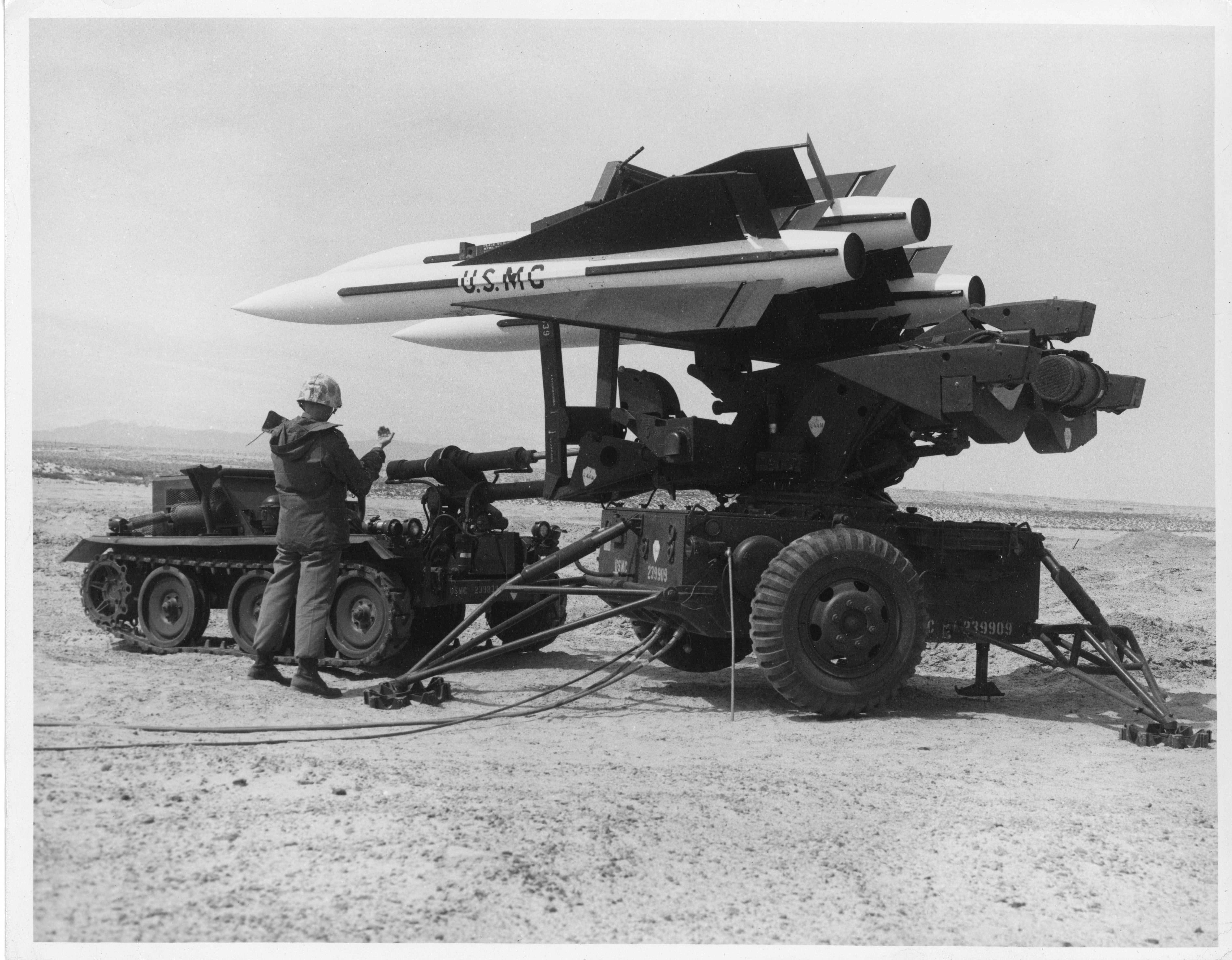
The result was the MIM-23 Hawk, developed by Raytheon.
Its name, “Homing All the Way Killer,” reflected its core strength — continuous radar guidance that tracked the target throughout the missile’s flight. This was a significant improvement over earlier systems that relied on less precise guidance methods.
By 1959, the Hawk entered service with U.S. forces and quickly became a key part of NATO’s defensive shield against potential Soviet air attacks.
How the Hawk Missile Works
The Hawk system was designed as a medium-range, mobile surface-to-air missile platform, combining radars, command centers, and launchers into an integrated defense network.
Core Components
A typical Hawk battery included:
-
Surveillance radar for detecting targets
-
Tracking radar for locking onto threats
-
Fire control center
-
Missile launchers (usually three missiles per launcher)
-
Reload vehicles
Engagement Process
Here’s how it worked:
-
Surveillance radar scans the sky
-
Target detected and tracked
-
Fire control assigns a launcher
-
Missile fired
-
Radar guides missile to impact
Unlike “fire-and-forget” missiles, the Hawk used semi-active radar homing, meaning the radar illuminated the target while the missile followed the reflected signal.
This allowed greater accuracy and effectiveness against maneuvering aircraft.
Technical Specifications

Typical specifications included:
-
Range: 25–40 km (depending on variant)
-
Altitude: Up to 60,000 feet
-
Speed: Around Mach 2.4
-
Warhead: High-explosive fragmentation
-
Guidance: Semi-active radar homing
-
Mobility: Trailer-mounted and transportable
Later versions extended range and improved electronic resistance, allowing the system to remain competitive for decades.
Major Variants and Upgrades
One reason for the Hawk’s long service life was continuous modernization.
Basic Hawk (1959)
The original system focused on medium-altitude interception. It provided strong defense but struggled against very low-flying aircraft.
Improved Hawk (I-Hawk)
Introduced in the 1970s, this version:
-
Enhanced radar accuracy
-
Improved low-altitude detection
-
Better electronic counter-countermeasures
-
Upgraded missile propulsion
This upgrade significantly improved survivability and effectiveness.
Phase III Hawk
Further refinements added:
-
Digital processing
-
Improved resistance to jamming
-
Greater reliability
-
Night and bad-weather performance
Hawk XXI
The most modern version integrates:
-
Modern 3D radars
-
Networked command systems
-
Compatibility with newer defense networks
-
Ability to track cruise missiles and drones
These updates allow the Hawk to operate alongside more advanced systems like Patriot.
Combat Use Around the World
The Hawk was not just a deterrent — it saw real combat.
Middle East Conflicts
Israel used Hawk missiles during regional wars to defend against enemy aircraft. They successfully intercepted multiple hostile planes, proving the system’s effectiveness.
Iran-Iraq War
Iran relied heavily on its Hawk batteries for air defense. Despite limited resupply options, the system played a crucial role in protecting strategic locations.
Gulf War
Coalition forces deployed Hawk units to defend bases and infrastructure against potential Iraqi air attacks.
Global Adoption
More than 25 countries operated Hawk systems, including:
-
United States
-
Japan
-
Spain
-
Germany
-
Taiwan
-
South Korea
-
Greece
-
Turkey
Its widespread use demonstrated trust in its reliability and performance.
Strengths of the Hawk System
Several characteristics made the Hawk especially valuable.
Mobility
The system could be transported and set up quickly, making it ideal for protecting moving forces or temporary installations.
Reliability
Decades of upgrades kept it effective long after similar systems became obsolete.
Cost-Effective
Compared to newer missile defense platforms, Hawk systems were relatively affordable to operate and maintain.
Layered Defense
Hawk filled the gap between short-range air defenses and long-range systems like Patriot, creating a comprehensive protection network.
Limitations
Despite its strengths, the Hawk had drawbacks.
Radar Dependence
Because it required continuous radar guidance, it could be vulnerable to:
-
Jamming
-
Anti-radiation missiles
-
Electronic warfare
Aging Technology
Even upgraded versions struggle against modern stealth aircraft and advanced cruise missiles.
Setup Time
Though mobile, it wasn’t as quick to deploy as modern truck-based missile systems.
These factors led many countries to gradually replace Hawk with newer technologies.
Hawk vs Modern Systems
Modern air defense systems like Patriot, NASAMS, and S-400 offer:
-
Longer ranges
-
Faster missiles
-
Fire-and-forget capabilities
-
Better protection against drones and stealth threats
Yet Hawk still holds value in secondary or backup roles. For countries with limited defense budgets, upgraded Hawk systems provide respectable protection at a fraction of the cost.
This is why some nations continue to maintain or modernize their Hawk batteries today.
The Hawk’s Legacy
Few missile systems have enjoyed the longevity of the MIM-23 Hawk. Serving for more than 60 years, it proved that good engineering and smart upgrades can keep military equipment relevant for generations.
Its legacy includes:
-
Helping define modern surface-to-air missile design
-
Protecting NATO airspace during the Cold War
-
Demonstrating modular, upgradable defense architecture
-
Influencing later systems like Patriot
The Hawk effectively bridged the gap between early guided missiles and today’s sophisticated air defense networks.
Final Thoughts
The MIM-23 Hawk may not be the newest or flashiest air defense system, but its importance in military history is undeniable. It represented a major step forward in protecting ground forces from aerial threats and showed how adaptable technology can remain effective for decades.
From Cold War tensions to modern regional conflicts, the Hawk consistently delivered dependable performance. Its combination of mobility, accuracy, and upgradeability made it one of the most successful surface-to-air missile systems ever built.
Even today, the Hawk serves as a reminder that innovation isn’t just about creating something new — it’s also about refining and improving what already works.
And in that regard, the Hawk truly lived up to its name: always watching the skies, ready to strike when needed.