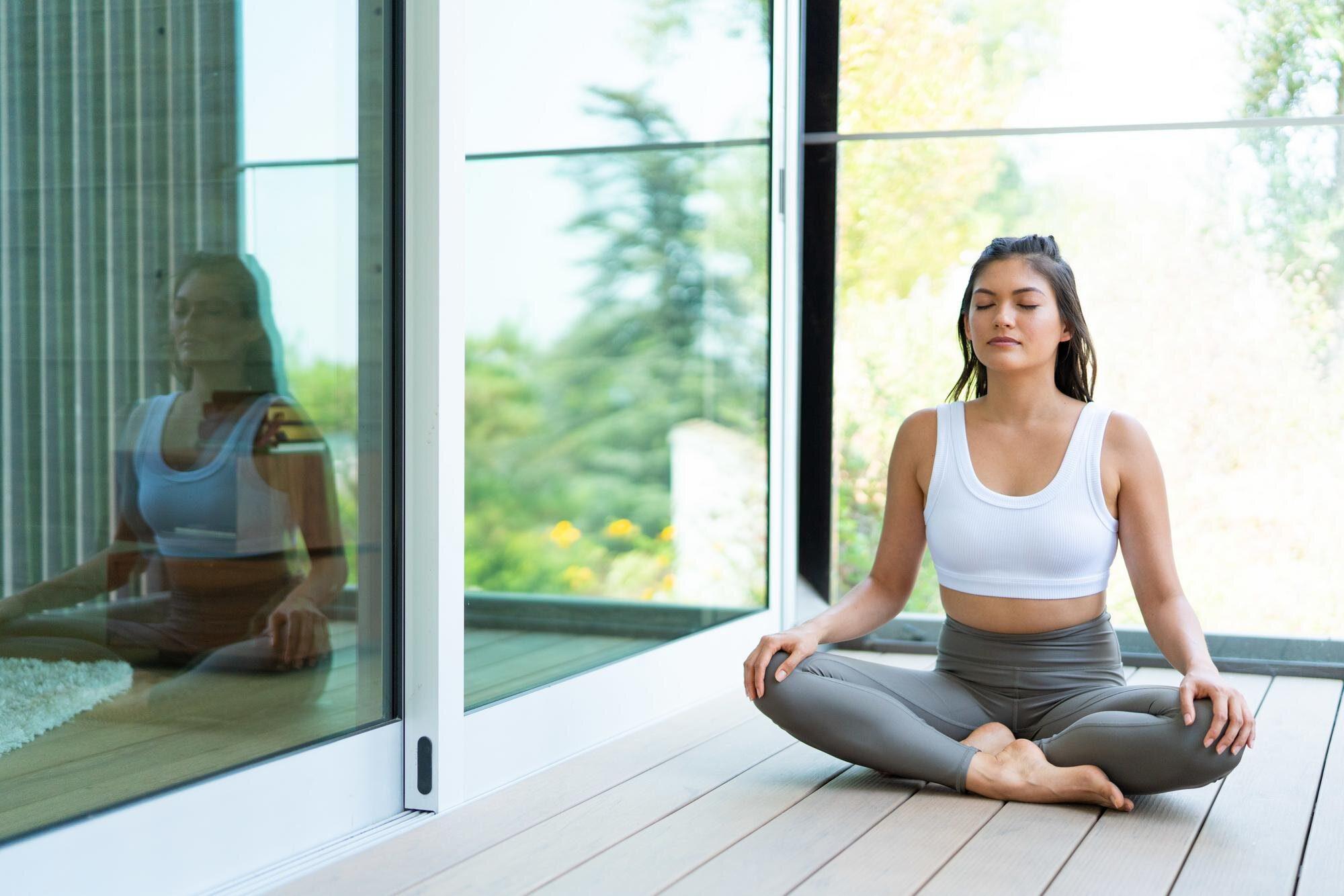
Meditation has traveled through thousands of years, across continents, and through countless cultures to arrive in our modern world as one of the most powerful tools for mental and emotional well-being. Once reserved for monks, sages, and spiritual practitioners, meditation is now embraced globally by scientists, therapists, business leaders, athletes, and anyone seeking clarity in a rapidly changing world. Its appeal is universal because meditation meets a fundamental human need: the desire for stillness in a noisy mind, balance in a chaotic environment, and grounding in an era of constant stimulation.
This article explores the origins of meditation, its many benefits, the science behind its effectiveness, and practical ways to incorporate it into daily life. In a time when stress, anxiety, and burnout have become widespread, meditation emerges not as a luxury but as a necessity.
A Brief History of Meditation
Meditation is one of the oldest human practices, with evidence dating back over 5,000 years. Its earliest roots can be traced to ancient India, where it formed a core part of yogic and spiritual traditions. Teachings from the Vedas, Upanishads, and early Buddhist texts describe meditation as a path toward inner awareness and liberation.
In China, Taoist sages developed their own meditative forms focused on harmony with nature and the cultivation of vital energy, or qi. In Japan, Zen Buddhism refined meditation into zazen, a discipline emphasizing sitting in stillness and watching the mind.
Meditation later traveled westward, influencing Greek philosophy, Sufi mysticism, Christian contemplative prayer, and modern mindfulness movements. Despite cultural differences, the essence of meditation remained the same: to quiet the mind, observe the inner world, and cultivate awareness.
Today, meditation is practiced in both secular and spiritual contexts, proving that its value transcends ideology or belief systems.
Why Meditation Matters in the Modern Age
Daily life is filled with distractions: notifications, deadlines, constant comparisons, multitasking, and information overload. While the human brain is adaptable, it is not built to handle continuous stimulation without consequences.
Meditation offers a counterbalance to the speed of modern life. It shifts attention inward, helping individuals reconnect with their thoughts, emotions, and physical sensations. This inward attention creates clarity, reduces stress, and strengthens resilience.
More importantly, meditation teaches us how to relate to our thoughts rather than be ruled by them. Instead of being swept away by anxiety, we learn to observe it. Instead of reacting impulsively to emotions, we learn to respond thoughtfully. Meditation strengthens the mind’s ability to find stability in uncertainty.
The Science Behind Meditation
In recent decades, meditation has been studied extensively by neuroscientists, psychologists, and medical professionals. Research shows that regular meditation produces physical, cognitive, and emotional changes in the brain.
1. Reduced Stress and Anxiety
Meditation lowers cortisol, the body’s main stress hormone. It activates the parasympathetic nervous system—the body’s natural relaxation response—allowing the heart rate, breathing, and mind to slow down.
2. Strengthened Attention and Focus
Mindfulness meditation enhances the prefrontal cortex, responsible for concentration and decision-making. Even short periods of meditation improve the brain’s ability to stay on task.
3. Emotional Regulation
Regular practice increases activity in the areas of the brain associated with empathy, self-awareness, and emotional balance. Meditators often report feeling calmer and more centered during challenging situations.
4. Improved Physical Health
Studies suggest that meditation can lower blood pressure, reduce inflammation, improve sleep quality, and strengthen the immune system. Some forms of meditation even reduce pain perception.
5. Enhanced Creativity and Problem-Solving
By quieting mental noise, meditation allows deeper insights and creative ideas to surface. Many innovators, including Steve Jobs, credited meditation for improving intuition and imagination.
The evidence is clear: meditation is not just a spiritual practice—it is a scientifically validated tool for improving mental and physical well-being.
Different Types of Meditation
Meditation is not one size fits all. There are countless styles, each offering something unique. Exploring different forms can help you discover what resonates with your personality and needs.
1. Mindfulness Meditation
The most widely practiced form today. It involves observing thoughts, feelings, and sensations without judgment. Popularized through mindfulness-based stress reduction (MBSR), it encourages present-moment awareness.
2. Breath Meditation
A simple yet powerful practice focusing on inhalation and exhalation. This form anchors attention and calms the nervous system.
3. Loving-Kindness Meditation (Metta)
A heart-centered practice that cultivates compassion toward yourself and others. Practitioners silently repeat phrases of goodwill.
4. Mantra Meditation
Involves repeating a word, phrase, or sound (such as “Om”) to focus the mind and deepen concentration.
5. Body Scan Meditation
A practice that brings awareness to different parts of the body, releasing tension and building mind-body connection.
6. Zen Meditation (Zazen)
A Buddhist form practiced in a seated position, focusing on posture, breath, and stillness.
7. Transcendental Meditation (TM)
Uses a personalized mantra and is typically practiced twice daily. Known for producing deep states of relaxation.
8. Movement Meditation
Forms like yoga, qigong, and walking meditation allow individuals to focus through motion rather than stillness.
With so many options, meditation becomes accessible to anyone, regardless of age, lifestyle, or belief system.
How to Start a Meditation Practice
Beginning meditation doesn’t require a special room, teacher, or hours of free time. It simply requires a willingness to pause.
1. Start Small
Begin with 3–5 minutes each day. Consistency matters more than duration.
2. Find a Comfortable Posture
You can sit on a chair, cushion, or even lie down. The goal is comfort without falling asleep.
3. Focus on the Breath
Inhale deeply, exhale slowly, and observe the natural rhythm.
4. Let Thoughts Come and Go
You do not need to stop thinking. Instead, watch thoughts like passing clouds.
5. Use a Timer
Set a gentle alarm so you don’t have to check the clock.
6. Explore Guided Sessions
Apps, videos, and teachers can help beginners stay focused.
7. Create a Routine
Consistency builds habit. Morning meditation boosts clarity, while evening meditation aids relaxation.
Common Misconceptions About Meditation
Many people avoid meditation because of misunderstandings. Clearing these myths makes the practice more approachable.
Myth 1: Meditation means emptying your mind.
No one can completely empty the mind. Meditation is about observing thoughts, not eliminating them.
Myth 2: You must sit cross-legged on the floor.
Any comfortable position works—bed, chair, sofa, or cushion.
Myth 3: Meditation is only for spiritual people.
Meditation is a mental exercise. Anyone can practice it, regardless of belief or background.
Myth 4: You must meditate for an hour to benefit.
Even 5–10 minutes daily can transform your stress levels and clarity.
Myth 5: Meditation is easy.
It is simple, but not always easy. Like any skill, it gets easier with practice.
The Deeper Purpose of Meditation
While meditation offers practical benefits like better focus and stress relief, its deeper purpose is self-awareness. It teaches you to observe your patterns, understand your emotions, and develop inner stability.
Meditation opens a doorway to:
-
Greater clarity about life choices
-
Reduced emotional reactivity
-
A sense of peace independent of circumstances
-
Enhanced intuition
-
Connection with deeper values and purpose
Ultimately, meditation is a journey into yourself. It helps you recognize that peace does not come from the external world—but from how you relate to it.
Bringing Meditation Into Everyday Life
Meditation is not limited to a cushion or quiet room. It can be woven into daily activities:
-
Mindful eating
-
Slow, conscious breathing during stress
-
Feeling your feet while walking
-
Noticing sounds around you
-
Taking digital breaks
-
Practicing gratitude
-
Being present in conversations
These simple practices turn ordinary moments into opportunities for grounding and awareness.
Conclusion: The Transformative Power of Meditation
Meditation is both ancient and modern—timeless in its essence yet urgently needed today. It teaches us how to pause, breathe, notice, and reconnect with ourselves amidst a world full of noise. By practicing meditation regularly, we cultivate clarity, compassion, resilience, and inner peace.
In a world that constantly pulls our attention outward, meditation brings us back home to ourselves. It reminds us that peace is not something we wait for—it is something we practice.
Whether you seek calm, healing, focus, or spiritual growth, meditation offers a pathway forward—one breath, one moment, one mindful step at a time.