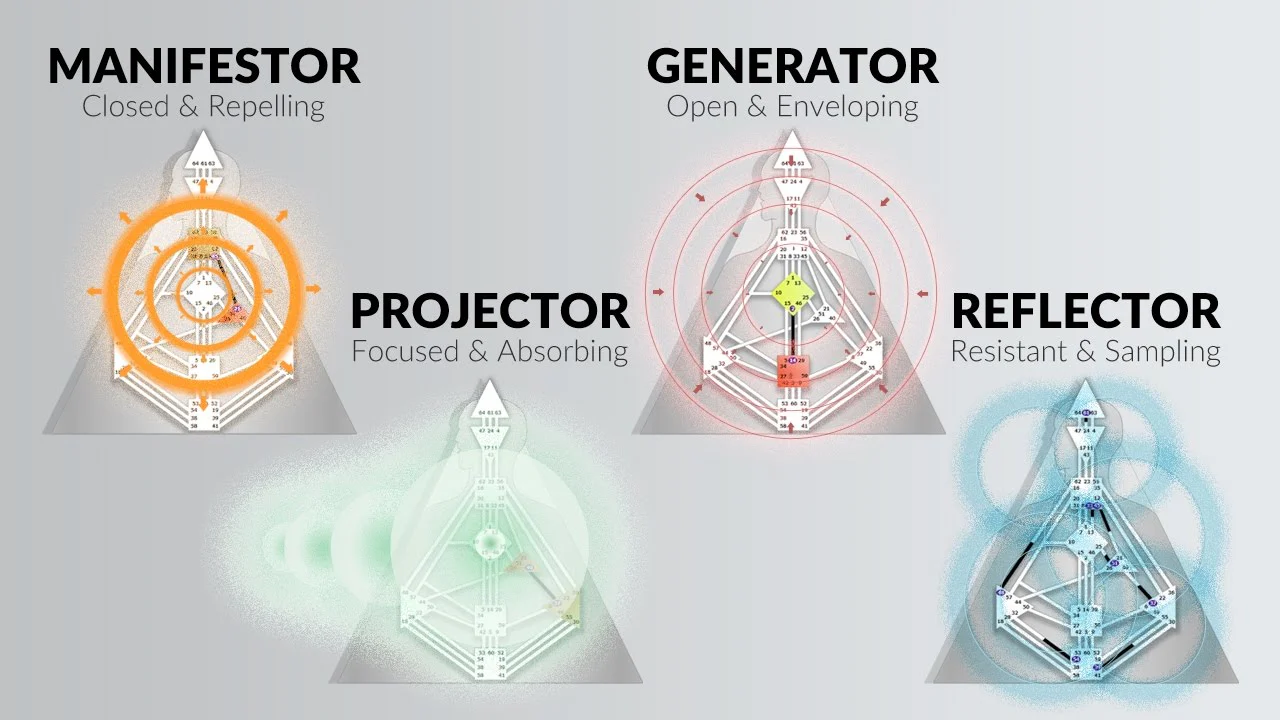
In recent years, interest in self-discovery systems such as astrology, personality psychology, and energy-based frameworks has grown rapidly. Among these, Human Design has emerged as a unique and powerful tool for understanding how individuals are wired to interact with the world. Within this system, the Manifestor stands out as one of the most intriguing and misunderstood types. Known as the initiator, the Manifestor carries an energy designed to spark action, create movement, and bring new ideas into reality.
This article provides a deep and practical exploration of the Manifestor type—what it means, how it operates, its strengths and challenges, and how Manifestors can live in alignment with their natural design.
What Is a Manifestor?
In Human Design, there are five main energy types: Manifestor, Generator, Manifesting Generator, Projector, and Reflector. Manifestors make up approximately 8–9% of the population, making them one of the rarer types. Their defining characteristic is their ability to initiate. Unlike Generators, who respond to life, Manifestors are designed to start things independently.
Historically, Manifestors were leaders, rulers, and pioneers. Their aura is described as closed and repelling, which means they are not here to absorb or respond to others’ energy but to move according to their own inner impulses. This unique energetic makeup gives Manifestors a natural authority to act—but it also creates friction if misunderstood or resisted.
The Core Role of the Manifestor
The fundamental role of a Manifestor is initiation. They are here to bring new ideas, systems, movements, and directions into the world. Manifestors often feel an internal urge to act suddenly and decisively, without needing external validation.
This can look like:
-
Starting a business or project out of nowhere
-
Introducing new systems or methods
-
Making bold life changes quickly
-
Challenging outdated structures
Once something is initiated, Manifestors are not necessarily meant to sustain or manage it long-term. Their power lies in starting, not maintaining. After the spark is lit, other types—especially Generators—often take over the ongoing work.
Manifestor Strategy: Inform Before Acting
Every Human Design type has a strategy, and for Manifestors, that strategy is to inform. Informing does not mean asking for permission. Instead, it means clearly communicating intentions to those who will be affected by their actions.
When Manifestors fail to inform, they often encounter resistance, anger, or misunderstanding. This is because their sudden movements can feel disruptive to others. Informing creates energetic ease and reduces pushback.
For example:
-
Informing coworkers before making a major change
-
Letting family know about a big decision
-
Communicating boundaries and intentions clearly
When Manifestors inform consistently, they experience more freedom and less opposition.
The Manifestor Signature and Not-Self Theme
Each Human Design type has a signature (what alignment feels like) and a not-self theme (what misalignment feels like).
-
Signature: Peace
-
Not-Self Theme: Anger
When a Manifestor is living in alignment—initiating from inner authority and informing appropriately—they experience a deep sense of peace. When they are blocked, controlled, or prevented from acting, anger often arises.
This anger is not a flaw; it is a signal that the Manifestor’s autonomy is being compromised. Learning to recognize and honor this signal is essential for emotional and energetic health.
Strengths of the Manifestor
Manifestors possess unique strengths that set them apart from other types:
1. Natural Leadership
Manifestors are born leaders, even if they do not seek authority. Their energy naturally moves others and initiates change.
2. Independence
They thrive when given freedom and autonomy. Manifestors often struggle in rigid systems but excel in self-directed roles.
3. Visionary Thinking
Manifestors tend to see possibilities before others do. They are often ahead of their time and driven by inner vision.
4. Impactful Presence
When aligned, Manifestors have a powerful presence that can inspire, disrupt, and transform environments.
Common Challenges Manifestors Face
Despite their strengths, Manifestors often encounter specific challenges, especially in a world largely designed for Generator energy.
Feeling Controlled
Many Manifestors grow up being told to slow down, wait, or explain themselves. This conditioning can lead to suppressed anger or self-doubt.
Fear of Rejection
Because their energy can feel intense or unpredictable to others, Manifestors may fear being misunderstood or rejected.
Burnout
Manifestors do not have consistent access to sustainable life-force energy. Overworking or trying to “keep up” with Generators can lead to exhaustion.
Difficulty Asking for Help
Strong independence can make it hard for Manifestors to delegate or receive support.
Manifestors in Relationships
In relationships, Manifestors need space, honesty, and respect for autonomy. They function best when partners understand their need for independence and spontaneous action.
Clear communication is crucial. Informing partners about emotional shifts, decisions, and plans helps avoid unnecessary conflict. When Manifestors feel trusted and unrestrained, they are deeply loyal and protective of those they care about.
They are not meant to be controlled or micromanaged. Relationships thrive when Manifestors are allowed to move freely while staying communicative.
Career Paths That Suit Manifestors
Manifestors excel in roles where they can initiate, lead, or create without constant oversight. Ideal career paths include:
-
Entrepreneurs and startup founders
-
Creative directors and visionaries
-
Consultants and strategists
-
Political or social leaders
-
Innovators and change-makers
Traditional 9-to-5 jobs with rigid rules can feel suffocating. Manifestors often succeed when they create their own structures or work in flexible environments.
Manifestors and Rest
Unlike Generators, Manifestors do not have consistent access to sustainable energy. Rest is not optional—it is essential. Learning when to stop, disengage, and recharge helps prevent burnout and emotional volatility.
Short bursts of focused action followed by rest cycles work better than constant effort. Honoring this rhythm allows Manifestors to remain powerful without depletion.
Living in Alignment as a Manifestor
To live in alignment, Manifestors should focus on:
-
Trusting their inner authority
-
Informing before taking action
-
Releasing guilt around rest
-
Choosing freedom over approval
-
Initiating only what feels correct
Alignment does not mean constant action. It means right action at the right time, followed by rest and integration.
Conclusion
The Manifestor is a powerful and essential force within the Human Design system. As initiators, they are here to move humanity forward, challenge limitations, and open new paths. While their energy can feel disruptive in a world that values consistency and response, it is precisely this disruptive quality that makes Manifestors transformative.
When Manifestors understand their design, honor their need for autonomy, and commit to clear communication, they experience peace instead of anger and empowerment instead of resistance. In embracing who they truly are, Manifestors not only free themselves—they give others permission to evolve as well.
In a world that needs bold beginnings and courageous leadership, the Manifestor remains a vital catalyst for change.