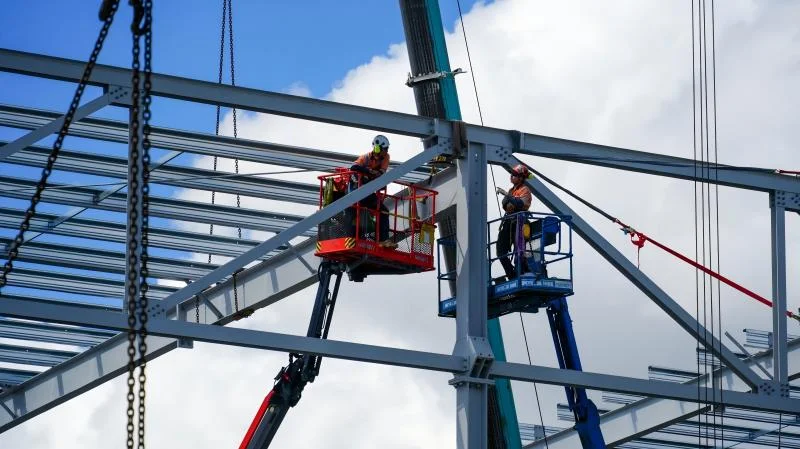
Ironworker jobs are among the most demanding, respected, and essential careers in the construction industry. These skilled professionals are responsible for assembling the structural frameworks that support skyscrapers, bridges, factories, stadiums, and countless other structures that define modern life. Without ironworkers, the steel skeletons of our cities would never rise. This article explores what ironworker jobs involve, the skills and training required, career paths, working conditions, salary expectations, and the future of this vital trade.
What Are Ironworker Jobs?
Ironworker jobs focus on the fabrication, installation, and reinforcement of iron and steel components used in construction projects. Ironworkers read blueprints, handle heavy materials, and work at significant heights to connect beams, columns, and reinforcing bars (rebar). Their work ensures that structures are strong, stable, and able to withstand environmental stresses such as wind, earthquakes, and heavy loads.
There are several specializations within ironwork, including structural ironworking, reinforcing ironworking, ornamental ironworking, and rigging. Each specialization plays a unique role in construction while sharing a foundation of technical skill and physical endurance.
Types of Ironworker Jobs
Structural Ironworkers
Structural ironworkers assemble and install steel frameworks for buildings and large structures. They bolt and weld beams and columns, often working hundreds of feet above ground. This role requires excellent balance, precision, and a strong understanding of structural plans.
Reinforcing Ironworkers
Also known as rebar workers, reinforcing ironworkers install steel bars and mesh inside concrete forms. Their work strengthens concrete used in foundations, bridges, roads, and high-rise buildings. Accuracy is critical, as improperly placed reinforcement can compromise structural integrity.
Ornamental and Architectural Ironworkers
These ironworkers focus on decorative and functional metalwork such as staircases, railings, gates, window frames, and façades. While still physically demanding, this specialization emphasizes craftsmanship, aesthetics, and detailed finishing.
Rigging Ironworkers
Rigging specialists are responsible for moving heavy steel components using cranes, hoists, and cables. They calculate load weights, secure materials safely, and coordinate closely with crane operators. Precision and safety awareness are essential in this role.
Skills Required for Ironworker Jobs
Ironworker jobs demand a unique combination of physical ability, technical knowledge, and mental focus. Workers must have excellent strength, stamina, and hand-eye coordination. Comfort with heights is essential, especially for structural ironworkers.
Technical skills include reading blueprints, understanding measurements, welding, bolting, and using specialized tools and equipment. Problem-solving skills are also critical, as ironworkers often need to adjust plans on-site to accommodate real-world conditions.
Equally important are soft skills such as teamwork, communication, and safety awareness. Construction sites are collaborative environments where clear communication can prevent accidents and costly mistakes.
Training and Education Pathways
Most ironworker jobs require a high school diploma or equivalent, followed by specialized training. The most common pathway is through an apprenticeship program, typically lasting three to four years. Apprenticeships combine classroom instruction with paid, on-the-job training under the supervision of experienced ironworkers.
Training programs cover topics such as blueprint reading, welding techniques, rigging, safety procedures, and the use of construction equipment. Many programs are offered through labor unions, trade schools, or contractor associations.
Certifications in welding, rigging, and safety can improve job prospects and earning potential. Continuous learning is important, as construction methods and safety regulations evolve over time.
Working Conditions and Safety
Ironworker jobs are physically demanding and often performed outdoors in varying weather conditions. Workers may spend long hours standing, climbing, lifting heavy materials, and maintaining balance at great heights. Because of these challenges, safety is a top priority in the ironworking profession.
Ironworkers wear protective gear such as hard hats, safety harnesses, gloves, and steel-toed boots. Strict safety protocols govern the use of equipment, fall protection systems, and communication on-site. While the job carries inherent risks, proper training and adherence to safety standards significantly reduce the likelihood of accidents.
Salary and Job Outlook
Ironworker jobs typically offer competitive wages, reflecting the skill level and physical demands of the work. Earnings vary depending on location, experience, specialization, and union membership. Entry-level apprentices earn less, but wages increase steadily as skills and certifications are gained.
In many regions, experienced ironworkers earn solid middle- to upper-middle-income wages, with opportunities for overtime pay on large projects. Unionized ironworkers often receive additional benefits such as health insurance, retirement plans, and job placement support.
The job outlook for ironworkers remains stable, driven by ongoing infrastructure development, urban expansion, and the need to repair and upgrade existing structures. Large-scale projects such as bridges, transit systems, and commercial developments continue to create demand for skilled ironworkers.
Career Advancement Opportunities
Ironworker jobs offer several pathways for career growth. Experienced ironworkers may advance to positions such as foreman, superintendent, or project manager, overseeing crews and coordinating construction activities. Others may specialize further in welding inspection, safety management, or rigging supervision.
Some ironworkers choose to become instructors or trainers, passing their skills on to the next generation. Others start their own contracting businesses, focusing on structural steel, reinforcement, or ornamental ironwork. With experience and dedication, ironworking can become a long-term, rewarding career.
Challenges of Ironworker Jobs
While ironworker jobs are rewarding, they are not without challenges. The physical strain can be demanding, particularly as workers age. Long hours, travel to job sites, and exposure to weather conditions can also be difficult.
Additionally, construction work can be cyclical, with periods of high demand followed by slower times. Adaptability and willingness to travel can help ironworkers maintain steady employment during downturns.
Despite these challenges, many ironworkers take pride in their work, knowing that they contribute directly to the structures that shape communities and skylines.
The Future of Ironworker Jobs
Technology is gradually influencing ironworker jobs, with advancements such as improved welding equipment, safety systems, and digital blueprints. However, the core skills of ironworking remain hands-on and irreplaceable. Steel structures still require skilled human judgment, coordination, and craftsmanship.
As governments and private developers invest in infrastructure and sustainable construction, the demand for trained ironworkers is expected to continue. Younger workers entering the trade can benefit from mentorship, modern training tools, and strong career stability.
Conclusion
Ironworker jobs play a critical role in building and maintaining the infrastructure that supports modern society. From towering skyscrapers to essential bridges and highways, ironworkers provide the strength and structure behind it all. The profession demands physical endurance, technical skill, and a commitment to safety, but it also offers solid pay, career advancement, and deep personal satisfaction.
For individuals who enjoy hands-on work, teamwork, and the pride of seeing tangible results of their labor, ironworker jobs offer a challenging yet fulfilling career path. As cities grow and infrastructure evolves, ironworkers will continue to stand at the heart of construction, shaping the world one steel beam at a time.