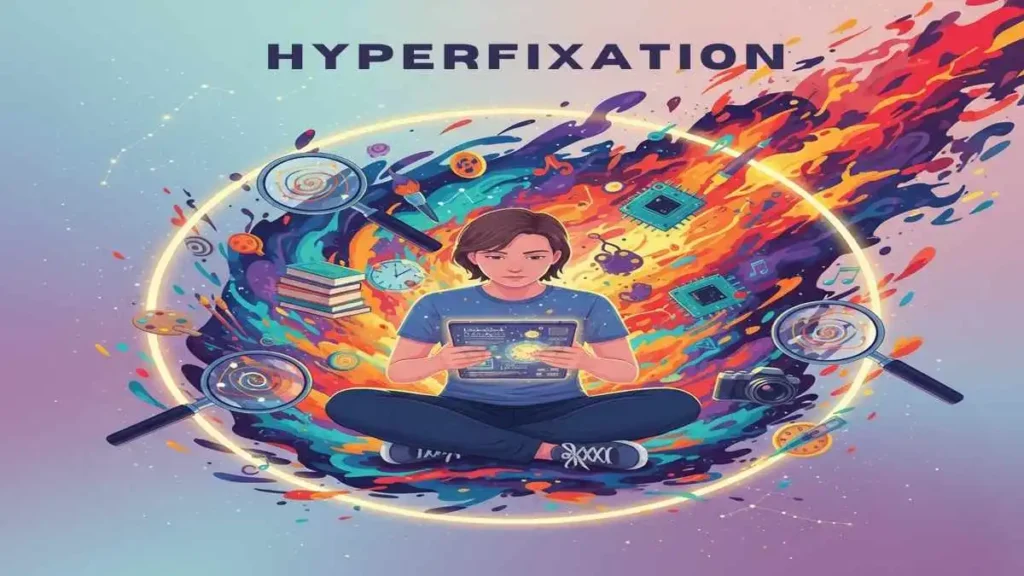
The term hyperfiksaatio is derived from the Finnish language and is commonly used to describe hyperfixation—an intense, prolonged focus on a particular subject, activity, or interest. While everyone experiences periods of concentrated attention, hyperfiksaatio is distinguished by its intensity, duration, and sometimes disruptive impact on daily functioning.
Hyperfiksaatio is a concept that has gained attention in psychology, education, and neurodiversity discussions, particularly in relation to conditions such as ADHD (Attention Deficit Hyperactivity Disorder) and autism spectrum disorder (ASD). Understanding hyperfiksaatio helps explain human behavior, productivity patterns, and the ways in which attention can become both a strength and a challenge.
This article explores the meaning of hyperfiksaatio, its neurological and psychological underpinnings, real-world examples, benefits and drawbacks, and strategies for managing intense focus.
Defining Hyperfiksaatio
Hyperfiksaatio refers to a state in which a person becomes deeply engrossed in a specific interest, task, or subject, often to the exclusion of everything else. Unlike normal focus, which is flexible and temporary, hyperfiksaatio can last for hours or even days and may cause a person to lose track of time, ignore external demands, or neglect basic needs such as food or sleep.
Common characteristics of hyperfiksaatio include:
-
Intense concentration on a single activity or topic
-
Difficulty shifting attention to other tasks
-
Deep enjoyment or fascination with the focus subject
-
Temporary neglect of other responsibilities
Hyperfiksaatio can manifest in a wide range of activities, including work, creative pursuits, gaming, learning, or hobbies.
Neurological and Psychological Basis
Hyperfiksaatio is often discussed in the context of neurodivergent conditions, where differences in attention regulation and executive function play a key role.
ADHD and Hyperfiksaatio
Although ADHD is commonly associated with distractibility, individuals with ADHD may also experience hyperfiksaatio. The neurological basis involves dopamine regulation in the brain:
-
Tasks that are highly stimulating or interesting can trigger a dopamine surge, increasing focus and engagement.
-
This state allows for prolonged attention, even if the person struggles with attention in other contexts.
For someone with ADHD, hyperfiksaatio can be both a strength and a challenge, depending on the task and the ability to balance responsibilities.
Autism Spectrum Disorder (ASD)
Hyperfiksaatio is frequently observed in individuals with ASD, often referred to as special interests. These intense interests provide:
-
Predictability and comfort
-
Opportunities for mastery and skill development
-
Social connection through shared interests
In autism, hyperfiksaatio may be less about external stimulation and more about intrinsic motivation and deep cognitive engagement.
Examples of Hyperfiksaatio
Hyperfiksaatio can appear in many domains of life. Some common examples include:
-
Academic or Work Projects: Spending hours researching a single topic, writing detailed reports, or coding a program.
-
Creative Pursuits: Immersion in art, music, writing, or crafts for extended periods without breaks.
-
Hobbies and Gaming: Playing a video game, completing puzzles, or collecting items obsessively.
-
Learning and Research: Studying languages, scientific topics, or historical subjects intensively.
-
Pop Culture Interests: Following a television series, comic books, or fandom activities with extreme focus.
In each case, hyperfiksaatio involves not only focus but also emotional investment and motivation, making the activity highly rewarding.
Benefits of Hyperfiksaatio
While hyperfiksaatio may seem extreme, it has several potential benefits when channeled appropriately:
Mastery and Skill Development
Deep engagement allows individuals to acquire advanced knowledge or skills in their area of interest. This intense focus can lead to expertise or innovation that may not be possible with intermittent attention.
Productivity
When applied to tasks such as work or study, hyperfiksaatio can increase output and quality. People often report accomplishing a large amount of work in a short time during hyperfiksaatio episodes.
Emotional Fulfillment
Hyperfiksaatio provides enjoyment and satisfaction, giving individuals a sense of purpose and meaning. This is especially significant for neurodivergent individuals, who may find comfort and identity in their focused interests.
Creativity and Innovation
Many creative and scientific breakthroughs have been attributed to periods of intense focus. Hyperfiksaatio allows for deep problem-solving and novel thinking.
Drawbacks and Challenges
Despite its benefits, hyperfiksaatio can present challenges, particularly when it interferes with daily life:
Neglect of Responsibilities
Individuals may ignore work, school, or personal obligations during periods of intense focus, leading to stress or conflict.
Physical and Mental Health Risks
Prolonged hyperfiksaatio can result in skipped meals, sleep deprivation, or reduced exercise, affecting physical health. Mental fatigue or burnout may also occur.
Social Isolation
Being deeply absorbed in a specific activity may reduce social interaction, leading to feelings of isolation or difficulties in maintaining relationships.
Difficulty Shifting Focus
Hyperfiksaatio can make it challenging to transition to other tasks or priorities, particularly when external demands require flexibility.
Strategies for Managing Hyperfiksaatio
Effectively managing hyperfiksaatio involves balancing deep focus with daily responsibilities and self-care:
Awareness
Recognizing hyperfiksaatio as a pattern is the first step. Awareness helps individuals plan breaks and maintain balance.
Time Management
Using timers, schedules, or alarms can prevent excessive time spent in hyperfiksaatio and ensure other responsibilities are addressed.
Breaks and Self-Care
Scheduling regular breaks for meals, hydration, movement, and rest can prevent burnout and maintain health.
Integration into Daily Life
Channeling hyperfiksaatio into productive activities—such as work, education, or creative projects—maximizes benefits while minimizing disruption.
Support Systems
Family, friends, or colleagues can help create structure, remind individuals of obligations, and provide feedback to maintain balance.
Hyperfiksaatio in the Digital Age
The modern digital environment can both trigger and amplify hyperfiksaatio:
-
Video Games and Social Media: Highly engaging platforms can induce extended focus, sometimes to the point of neglecting offline responsibilities.
-
Online Learning and Research: Access to vast information resources allows deep dives into topics of interest.
-
Digital Communities: Online forums and fandoms provide opportunities to share knowledge and connect with others who share the same hyperfocused interests.
While digital tools enhance engagement, they also necessitate strategies to prevent overuse and maintain balance.
Hyperfiksaatio and Neurodiversity
Hyperfiksaatio is an important concept in understanding neurodiversity, which recognizes that neurological differences are part of normal human variation. Rather than seeing intense focus as a deficit, neurodiversity frameworks view it as a strength and unique cognitive style.
For individuals with ADHD or autism, hyperfiksaatio can be a source of skill development, creativity, and personal fulfillment. Recognizing this allows educators, employers, and caregivers to support individuals in leveraging their intense focus positively.
Conclusion
Hyperfiksaatio is a fascinating phenomenon characterized by intense, prolonged focus on a specific interest or task. While it is commonly associated with neurodivergent conditions such as ADHD and autism, anyone can experience hyperfiksaatio under the right circumstances.
The benefits of hyperfiksaatio include mastery, productivity, creativity, and emotional satisfaction. However, it can also present challenges, including neglect of responsibilities, social isolation, and health risks.
By understanding hyperfiksaatio and implementing strategies such as awareness, time management, breaks, and support systems, individuals can harness the advantages of intense focus while minimizing its downsides. In a world increasingly driven by attention and engagement, understanding hyperfiksaatio is crucial for personal development, neurodiversity acceptance, and maximizing human potential.