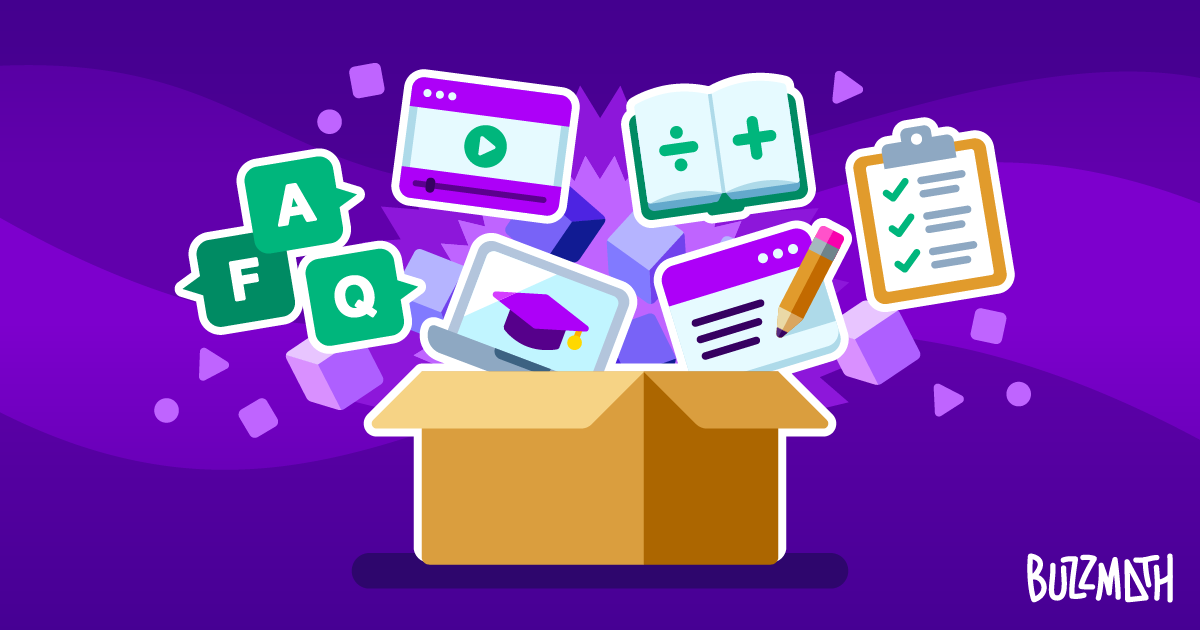
Mathematics has long been a subject that challenges students across age groups. Abstract concepts, cumulative skill requirements, and gaps in foundational understanding can quickly lead to frustration and disengagement. In response to these challenges, digital learning platforms have emerged to make math more accessible, personalized, and engaging. One such platform is BuzzMath, an online math learning tool designed to support students and teachers through interactive practice, adaptive learning, and real-time feedback.
This article explores what BuzzMath is, how it works, its key features, benefits for students and educators, and its role in the evolving landscape of digital education.
What Is BuzzMath?
BuzzMath is an online mathematics learning platform primarily aimed at middle school and secondary-level students. It provides structured math content aligned with curriculum standards and focuses on helping learners build strong conceptual understanding through practice and repetition.
Rather than replacing classroom teaching, BuzzMath is designed to complement it. Teachers use the platform to assign exercises, track student progress, and identify learning gaps, while students engage with interactive math problems that adapt to their skill level.
The Educational Philosophy Behind BuzzMath
At the core of BuzzMath is the belief that practice, feedback, and personalization are essential for mastering mathematics. Traditional classrooms often struggle to meet the individual needs of every student, especially when class sizes are large or skill levels vary widely.
BuzzMath addresses this issue by allowing students to work at their own pace. Learners can revisit concepts as needed, receive immediate feedback, and gradually build confidence without the pressure of keeping up with others. This approach supports mastery learning, where understanding is prioritized over speed.
Key Features of BuzzMath
BuzzMath includes a range of features designed to enhance both teaching and learning experiences.
Interactive Math Exercises
The platform offers a wide variety of interactive exercises covering topics such as arithmetic, fractions, algebra, geometry, and proportional reasoning. Questions are designed to encourage active problem-solving rather than passive memorization.
Students receive instant feedback, helping them understand mistakes and correct misconceptions in real time.
Adaptive Learning Pathways
BuzzMath adapts to individual student performance. When a learner struggles with a particular concept, the platform provides additional practice and scaffolding. Conversely, students who demonstrate proficiency can move forward without unnecessary repetition.
This adaptability helps ensure that each student is challenged appropriately while receiving support where needed.
Teacher Dashboards and Analytics
One of BuzzMath’s strongest features is its teacher dashboard. Educators can monitor student progress, view detailed performance data, and identify areas where individuals or entire classes are struggling.
These insights enable teachers to make data-driven instructional decisions, such as revisiting certain topics or providing targeted interventions.
Curriculum Alignment
BuzzMath content is typically aligned with educational standards, making it easier for teachers to integrate the platform into existing lesson plans. This alignment ensures that digital practice reinforces what students are expected to learn in the classroom.
Student Motivation Tools
To keep students engaged, BuzzMath incorporates motivational elements such as progress indicators, achievements, and visual rewards. These features help transform repetitive practice into a more engaging experience, particularly for students who may otherwise feel discouraged by math.
How BuzzMath Supports Students
BuzzMath offers several benefits that directly impact student learning and confidence.
Building Mathematical Confidence
Many students struggle with math anxiety, often due to repeated failure or negative experiences. BuzzMath allows learners to practice privately and receive feedback without fear of embarrassment. Over time, consistent practice and small successes help rebuild confidence.
Encouraging Independent Learning
Because BuzzMath is accessible online, students can practice outside the classroom at their own convenience. This flexibility supports independent learning and reinforces classroom instruction through repetition.
Closing Learning Gaps
Math is cumulative, meaning gaps in foundational knowledge can hinder future progress. BuzzMath helps identify and address these gaps early, preventing them from becoming long-term obstacles.
Benefits for Teachers and Schools
BuzzMath is not only beneficial for students but also a valuable tool for educators and institutions.
Time Efficiency
Grading math assignments and tracking progress can be time-consuming. BuzzMath automates much of this process, freeing teachers to focus on instruction, lesson planning, and student support.
Data-Driven Instruction
The platform’s analytics provide teachers with actionable insights. Instead of guessing which concepts students struggle with, educators can see clear data and adjust instruction accordingly.
Differentiated Learning
BuzzMath makes it easier to differentiate instruction in diverse classrooms. Teachers can assign different exercises to different students based on skill level, ensuring everyone receives appropriate challenges.
BuzzMath in the Classroom Environment
In classroom settings, BuzzMath is often used as:
-
A supplementary practice tool
-
A homework platform
-
A remediation resource
-
A support system for flipped classrooms
Its flexibility allows teachers to integrate it in ways that best suit their instructional style and students’ needs.
Role of BuzzMath in Digital Education Trends
BuzzMath is part of a broader shift toward edtech-driven learning, where technology enhances traditional teaching rather than replacing it. Key trends reflected in BuzzMath include:
-
Personalized learning experiences
-
Real-time feedback and analytics
-
Blended learning models
-
Increased student autonomy
As education systems continue to evolve, platforms like BuzzMath demonstrate how technology can address long-standing challenges in math education.
Limitations and Considerations
While BuzzMath offers many advantages, it is not a complete substitute for effective teaching. Students still benefit from human instruction, discussion, and conceptual explanations that digital platforms cannot fully replicate.
Additionally, access to technology and reliable internet remains a consideration. Schools and families must ensure equitable access so that all students can benefit from digital tools like BuzzMath.
Parents and Home Learning
For parents, BuzzMath can be a useful way to stay informed about their child’s progress. Some implementations allow parents to view reports or understand which areas need additional support at home.
This transparency helps create a collaborative learning environment between students, teachers, and families.
The Future of BuzzMath and Math Learning Platforms
As educational technology continues to advance, platforms like BuzzMath are likely to incorporate more sophisticated features, such as enhanced personalization, artificial intelligence-driven insights, and richer interactive content.
The goal remains the same: to make math learning more accessible, effective, and engaging for students with diverse needs and learning styles.
Conclusion
BuzzMath represents a thoughtful approach to modern math education—one that combines structured practice, adaptive learning, and actionable data to support both students and teachers. By addressing individual learning gaps, reducing math anxiety, and providing meaningful feedback, the platform helps students build a stronger foundation in mathematics.
While no digital tool can replace a skilled educator, BuzzMath serves as a powerful companion in the learning process. In an era where personalization and data-driven instruction are increasingly important, BuzzMath stands out as a valuable resource for improving math outcomes and fostering long-term confidence in learners.