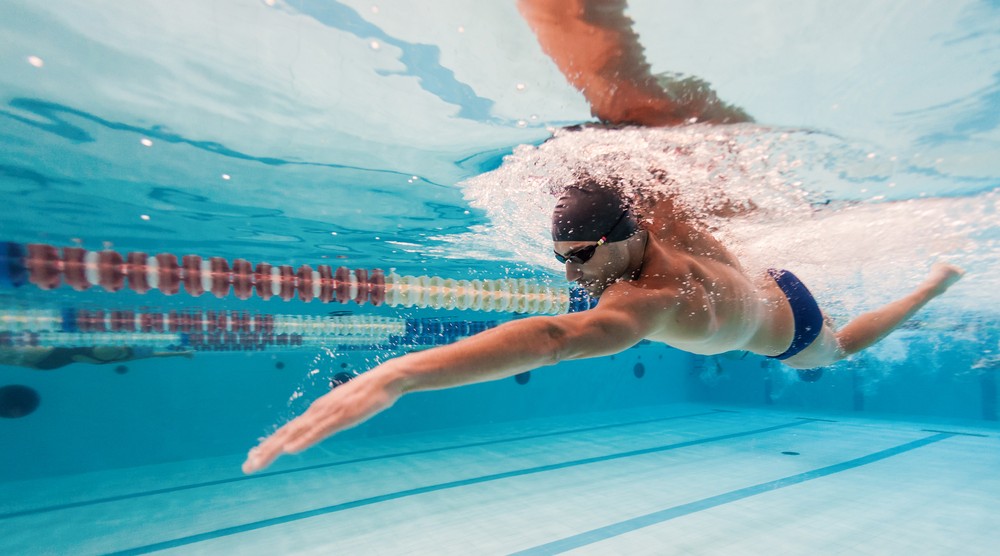
The swimmer’s build has long fascinated athletes, fitness enthusiasts, and researchers alike. Broad shoulders, strong backs, long limbs, and a lean yet powerful frame are often associated with competitive swimmers. While genetics certainly play a role, the distinctive swimmer’s build is largely shaped by years of specialized training in the water. Swimming is a full-body activity that challenges muscles differently than land-based sports, leading to a unique and highly functional physique.
This article explores what defines a swimmer’s build, how swimming shapes the body, the role of genetics versus training, and whether this physique can be developed through swimming alone.
What Is a Swimmer’s Build?
A swimmer’s build refers to the common physical traits seen in people who swim regularly, especially at competitive levels. These traits are not universal, but they appear frequently due to the demands of swimming strokes and aquatic resistance.
Typical characteristics of a swimmer’s build include:
-
Broad shoulders and upper back
-
Strong chest and arms
-
Lean muscle mass rather than bulky size
-
Narrow hips relative to shoulder width
-
Long, well-defined muscles
-
Low to moderate body fat percentage
The result is a balanced, streamlined physique designed for efficiency in water rather than sheer power or mass.
How Swimming Shapes the Body
Swimming works nearly every major muscle group while placing minimal stress on joints. Water provides constant resistance, requiring muscles to engage throughout each movement. Unlike gravity-based exercises, resistance in water is multi-directional, meaning muscles must work during both pushing and pulling phases.
Upper Body Development
The upper body is particularly emphasized in swimming. Strokes like freestyle, butterfly, and backstroke heavily engage the shoulders, latissimus dorsi, trapezius, and chest muscles. Over time, this leads to broad shoulders and a strong, V-shaped torso.
The arms also develop endurance and definition rather than excessive bulk. Because swimming involves high repetitions with moderate resistance, muscles adapt by becoming long, lean, and fatigue-resistant.
Core Strength
A strong core is essential for maintaining body position and transferring power in the water. Swimmers constantly engage their abdominal and lower back muscles to stabilize their bodies and reduce drag. This results in a tight, well-conditioned midsection, even though swimming alone may not always produce visible abdominal definition without additional training and nutrition.
Lower Body Contribution
While swimming is often perceived as an upper-body-dominant sport, the legs play a crucial role. Kicking provides propulsion and balance, engaging the quadriceps, hamstrings, glutes, and calves. The lower body muscles in swimmers tend to be strong and toned, though not as bulky as those developed through heavy weightlifting or sprinting.
The Role of Genetics
Genetics influence body proportions, limb length, shoulder width, and muscle fiber composition. Many elite swimmers naturally possess traits that give them an advantage in the water, such as long arms, flexible shoulders, and narrow hips.
However, genetics alone do not create a swimmer’s build. Training volume, intensity, technique, and duration are far more influential in shaping the physique. Individuals with different body types can still develop many characteristics associated with a swimmer’s build through consistent swimming.
Swimmer’s Build vs Other Athletic Physiques
Comparing swimmer’s build to other athletic physiques highlights how sport-specific training influences body shape.
-
Bodybuilders prioritize muscle size and definition through resistance training and isolation exercises, often resulting in bulky muscles.
-
Runners tend to have lean, lightweight frames optimized for endurance and efficiency on land.
-
Gymnasts develop compact, extremely strong bodies with high power-to-weight ratios.
Swimmers, by contrast, develop a blend of strength, endurance, and flexibility. Their muscles are functional and balanced, optimized for fluid movement rather than maximum force or speed on land.
Can Swimming Alone Create a Swimmer’s Build?
Swimming can significantly transform the body, especially for beginners or those transitioning from a sedentary lifestyle. Regular swimming improves muscle tone, cardiovascular fitness, and overall body composition.
However, for individuals aiming to achieve a pronounced swimmer’s build, swimming alone may not always be sufficient. Competitive swimmers often supplement water training with:
-
Dryland strength training
-
Core stabilization exercises
-
Mobility and flexibility work
-
Proper nutrition for muscle recovery
These additional components enhance strength, prevent injury, and support optimal muscle development.
The Importance of Training Volume and Consistency
One of the defining factors in developing a swimmer’s build is training volume. Competitive swimmers often train multiple hours per day, several days a week. This high frequency and duration create continuous muscular adaptation.
For recreational swimmers, consistency matters more than intensity. Swimming two to four times per week over an extended period can still produce noticeable changes in body composition, posture, and muscle tone.
Body Fat and Hydrodynamics
Swimmers often have a moderate level of body fat compared to athletes in some other sports. While extremely low body fat is common in bodybuilding or endurance running, swimming performance can benefit from slightly higher body fat due to buoyancy and insulation.
This does not mean swimmers are overweight. Rather, their bodies are optimized for performance in water, balancing leanness with functional efficiency. This contributes to the healthy, athletic appearance commonly associated with swimmers.
Health and Functional Benefits of a Swimmer’s Build
Beyond aesthetics, the swimmer’s build offers numerous health and functional advantages:
-
Improved cardiovascular endurance
-
Enhanced joint mobility and flexibility
-
Balanced muscle development, reducing injury risk
-
Strong posture due to back and core engagement
-
Increased lung capacity and breathing efficiency
Swimming is also low-impact, making it suitable for people of all ages and fitness levels. The resulting physique reflects overall health rather than just visual appeal.
Common Myths About Swimmer’s Build
Several misconceptions surround the swimmer’s build:
Myth 1: Swimming automatically makes you tall.
Height is determined by genetics. Swimming does not increase height, though it can improve posture and spinal alignment, making individuals appear taller.
Myth 2: Swimming creates bulky shoulders.
Swimming typically develops lean, defined shoulders rather than excessive bulk, especially without heavy resistance training.
Myth 3: Only elite swimmers have a swimmer’s build.
While elite swimmers display more pronounced traits, recreational swimmers can also develop many aspects of this physique with consistent training.
Achieving a Swimmer’s Build as a Fitness Goal
For those inspired by the swimmer’s build, incorporating swimming into a balanced fitness routine is an excellent approach. Focusing on technique, variety of strokes, and progressive training helps engage different muscle groups and prevent plateaus.
Combining swimming with light strength training, flexibility work, and proper nutrition supports muscle development and overall fitness. Patience is key, as changes occur gradually over time.
Conclusion
The swimmer’s build is a product of functional training, consistency, and adaptation to the unique demands of moving through water. Characterized by broad shoulders, a strong core, lean muscle mass, and balanced proportions, this physique reflects efficiency, endurance, and overall athletic health.
While genetics influence body structure, swimming remains one of the most effective full-body activities for developing a strong, streamlined, and resilient physique. Whether pursued for competition, fitness, or enjoyment, swimming shapes not just the body, but also long-term health and performance—making the swimmer’s build a symbol of strength in motion.