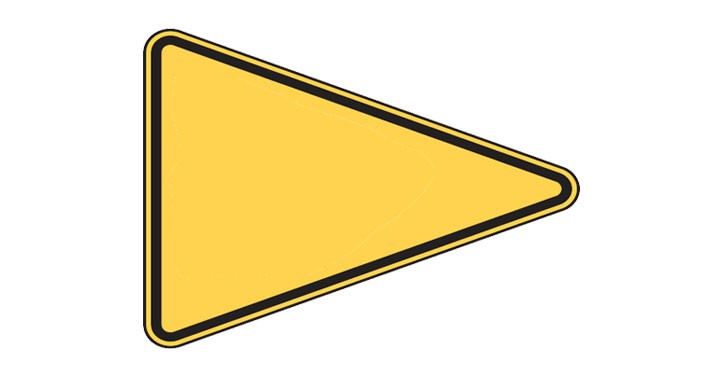
The phrase “pennant shaped” describes a form inspired by a pennant—a long, narrow, triangular or tapering flag that is wider at one end and pointed or split at the other. Though simple in appearance, the pennant shape carries deep historical roots, strong symbolism, and wide-ranging applications across design, sports, architecture, marketing, and everyday objects. Its enduring popularity lies in its ability to communicate direction, movement, achievement, and identity with minimal visual complexity.
This article provides a comprehensive exploration of what pennant shaped means, where it comes from, and why it continues to be a powerful and versatile form in modern culture.
What Does Pennant Shaped Mean?
A pennant shaped object typically has the following characteristics:
-
An elongated triangular or tapering form
-
One wide base and one narrow or pointed end
-
A sense of forward motion or direction
-
A lightweight, flowing visual impression
Unlike a standard triangle, a pennant shape is usually longer and slimmer, often designed to flutter, hang, or visually point toward something. This directional quality is central to how the shape is interpreted and used.
Historical Origins of the Pennant Shape
Maritime Beginnings
The pennant shape has its origins in maritime traditions. Ships have flown pennant-shaped flags for centuries to indicate nationality, command authority, or special status. The long, narrow shape was ideal for catching the wind and remaining visible from great distances, even in harsh sea conditions.
Naval pennants often symbolized leadership, rank, or victory, establishing an early association between the shape and authority.
Military and Medieval Use
During medieval times, pennant-shaped banners were carried by knights and mounted soldiers. These banners were attached to lances and displayed family crests or emblems. Their shape allowed them to move dramatically during combat or tournaments, reinforcing a sense of motion, courage, and prestige.
Over time, the pennant shape became closely linked with honor, identity, and allegiance.
Pennant Shaped Designs in Sports
One of the most familiar modern uses of the pennant shape is in sports culture.
Championship Pennants
In leagues such as baseball, winning a league title is commonly referred to as “winning the pennant.” Teams commemorate this achievement with physical pennant-shaped banners displaying:
-
Team logos
-
Championship years
-
League or division titles
These banners are often hung in stadiums, clubhouses, or fan spaces, reinforcing the shape’s association with success and tradition.
Fan Culture and Memorabilia
Pennant-shaped merchandise remains popular because it is easy to display, lightweight, and visually iconic. Even without text, the shape alone instantly signals sports pride and competitive spirit.
Pennant Shaped Elements in Graphic Design
Direction and Emphasis
In graphic design, pennant shapes are frequently used to guide attention. Because they naturally point or flow in one direction, they are ideal for:
-
Highlighting important messages
-
Framing text or slogans
-
Drawing the eye toward a focal point
Designers often use pennant-shaped ribbons or banners in posters, websites, and advertisements to create movement within a layout.
Branding and Logos
Pennant-shaped logos are especially popular in collegiate, vintage, and lifestyle branding. The shape evokes tradition, teamwork, and authenticity, making it effective for brands that want to feel established and trustworthy.
Many logos use abstract or simplified pennant forms to combine modern minimalism with classic symbolism.
Pennant Shaped Architecture and Interior Design
Decorative Applications
In interior spaces, pennant-shaped décor elements appear in:
-
Fabric wall hangings
-
Event decorations
-
Children’s room accents
-
Seasonal displays
These shapes introduce vertical or diagonal lines that break up boxy layouts and add visual rhythm to a space.
Architectural Details
Some architectural features—such as signage, canopies, or decorative trims—incorporate pennant-like silhouettes to suggest movement and flow. When used thoughtfully, these forms soften rigid structures and add character without overwhelming the design.
Everyday Objects with Pennant Shapes
Pennant-shaped forms are common in daily life, even if we don’t always recognize them as such. Examples include:
-
Bookmarks with pointed ends
-
Garden flags and outdoor banners
-
Directional signs and markers
-
Gift tags and labels
In each case, the shape combines function with visual clarity, making it easy to see, hang, or orient.
Symbolic Meaning of the Pennant Shape
The pennant shape is rich in symbolism, which explains its continued relevance.
Movement and Progress
Because of its elongated, pointed form, the pennant shape often represents:
-
Forward motion
-
Progress and momentum
-
Direction and purpose
This makes it especially effective in contexts related to goals, journeys, or growth.
Achievement and Celebration
Thanks to its strong association with sports and competition, the pennant shape frequently symbolizes:
-
Victory
-
Milestones
-
Pride and accomplishment
Displaying a pennant-shaped object often communicates that something has been earned or achieved.
Identity and Belonging
Pennants have historically represented groups—teams, nations, schools, or families. As a result, the shape carries connotations of unity, loyalty, and shared identity.
Pennant Shaped Designs in Marketing and Advertising
Visual Differentiation
In crowded markets, pennant-shaped labels and tags help products stand out. The unique silhouette catches attention more effectively than standard rectangles or circles.
This is particularly common in:
-
Food and beverage packaging
-
Handmade or craft products
-
Promotional signage
Emotional Appeal
Pennant shapes often evoke nostalgia, school spirit, or hometown pride. Marketers use these emotional associations to create familiarity and trust, even when introducing new products.
Modern Interpretations of the Pennant Shape
Today’s designers often reinterpret the classic pennant shape in innovative ways, including:
-
Rounded or softened points
-
Asymmetrical designs
-
Layered or overlapping pennants
-
Minimalist outlines or icons
These modern variations allow the shape to remain fresh and adaptable while preserving its core meaning.
Why the Pennant Shape Remains Timeless
The lasting appeal of the pennant shape lies in its balance of simplicity and meaning. It is:
-
Visually dynamic without being complex
-
Symbolically rich without requiring explanation
-
Adaptable across cultures, industries, and eras
Few shapes can convey direction, achievement, and identity as effectively with such minimal form.
Conclusion
The pennant shaped form is far more than a decorative outline. Rooted in maritime and medieval history, it has evolved into a versatile symbol used in sports, branding, architecture, and everyday design. Its ability to suggest movement, celebrate achievement, and represent collective identity ensures its continued relevance in both traditional and modern contexts.
As design trends change, the pennant shape endures—proving that simple forms, when filled with meaning and purpose, can remain powerful across generations.