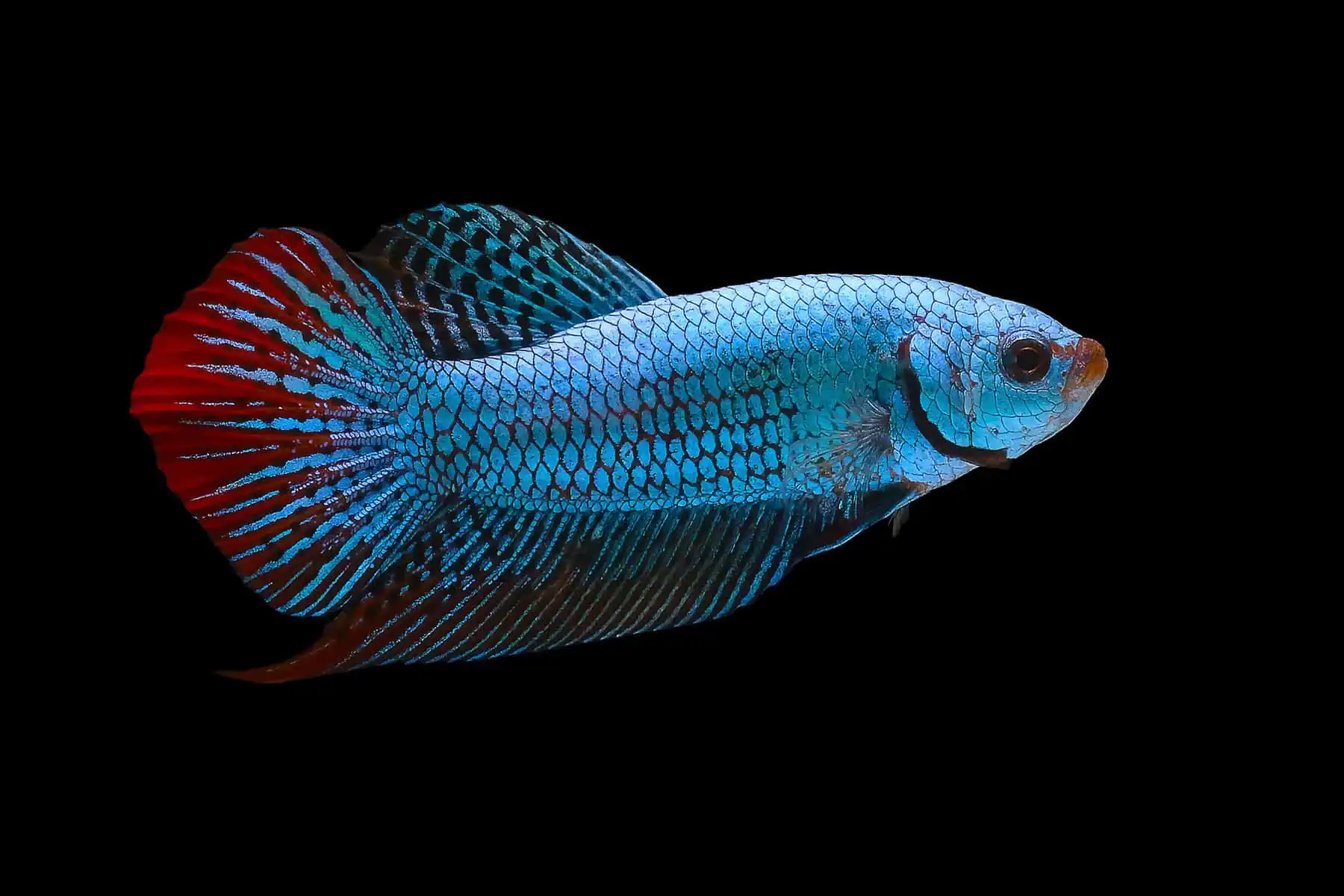
Among the many fascinating species in the Betta genus, Betta imbellis stands out for its understated elegance and notably calmer temperament. Often called the Peaceful Betta, Crescent Betta, or Slender Betta, Betta imbellis offers aquarists a rare combination: the beauty of a wild-type betta with behavior that is far less aggressive than its famous cousin, the Siamese fighting fish (Betta splendens). This makes Betta imbellis a compelling choice for aquarists who appreciate natural aesthetics, subtle coloration, and more harmonious community-oriented setups.
Origins and Natural Habitat
Betta imbellis is native to Southeast Asia, particularly southern Thailand, peninsular Malaysia, and parts of Indonesia. In the wild, these fish inhabit slow-moving or stagnant waters such as rice paddies, shallow streams, peat swamps, roadside ditches, and marshy floodplains. These environments are typically warm, shaded by vegetation, and rich in leaf litter.
Like other labyrinth fish, Betta imbellis possesses a labyrinth organ, allowing it to breathe atmospheric oxygen. This adaptation enables the species to survive in water with low dissolved oxygen levels—an essential trait in its often still and warm habitats. Understanding these natural conditions is key to replicating a healthy environment in captivity.
Physical Characteristics
Betta imbellis has a more streamlined and natural appearance compared to selectively bred domestic bettas. Rather than oversized fins and exaggerated shapes, this species displays a balanced body form suited to life in the wild.
Adult males usually reach 5–6 centimeters (around 2–2.5 inches) in length. Their coloration is subtle but striking under the right lighting—deep brown to black bodies adorned with shimmering blue or green iridescent scales. The fins are darker, often rimmed with red or faint turquoise crescents, which give the fish its “crescent betta” nickname. Females are less colorful, typically brownish with minimal iridescence, but they possess a gentle elegance of their own.
Unlike Betta splendens, Betta imbellis does not exhibit overly aggressive fin flaring unless provoked, contributing to its reputation as a calmer species.
Temperament and Behavior
What truly distinguishes Betta imbellis is its comparatively peaceful temperament. While males can still be territorial, their aggression is significantly reduced compared to fighting bettas. Displays of dominance usually involve brief flaring rather than prolonged or violent combat.
This temperament allows Betta imbellis to be kept in larger planted tanks with visual barriers and, in some cases, with other peaceful fish species. However, caution is always recommended. Each fish has an individual personality, and male-to-male aggression can still occur, especially in confined spaces.
In the wild and in captivity, Betta imbellis spends much of its time exploring plant cover, resting near the water surface, and calmly patrolling a chosen territory. This behavior makes them enjoyable to observe, especially in naturalistic aquascapes.
Aquarium Setup and Water Parameters
Providing an appropriate tank setup is essential for the well-being of Betta imbellis. While a single specimen can be housed in a minimum of 10 gallons, larger tanks are strongly recommended, especially if multiple fish or tank mates are involved.
Ideal water conditions include:
-
Temperature: 24–28°C (75–82°F)
-
pH: 5.5–7.0
-
Hardness: Soft to moderately soft water
-
Flow: Gentle or minimal water movement
A heavily planted aquarium with floating plants, driftwood, and leaf litter (such as Indian almond leaves) helps recreate the fish’s natural environment. These elements provide hiding spots, reduce stress, and encourage natural behaviors. Dim or subdued lighting further enhances their comfort and coloration.
Although Betta imbellis can survive in low-oxygen conditions, clean water remains critical. Regular partial water changes and gentle filtration are important to maintain stability.
Diet and Feeding
In the wild, Betta imbellis is a micro-predator, feeding on insects, larvae, and small invertebrates. In captivity, they thrive on a varied diet that closely mimics this natural intake.
High-quality betta pellets or micro-pellets can serve as a staple, but these should be supplemented with live or frozen foods such as bloodworms, brine shrimp, daphnia, and mosquito larvae. Variety not only improves coloration but also supports overall health and immunity.
Feeding should be moderate—once or twice daily in small portions. Overfeeding can quickly degrade water quality and lead to health issues such as bloating or fatty liver disease.
Breeding Betta Imbellis
One of the most fascinating aspects of Betta imbellis is its breeding behavior. Like many bettas, this species is a bubble nest builder, with the male constructing a floating nest at the water’s surface using air bubbles coated in saliva.
Breeding is often easier and less aggressive compared to Betta splendens. When conditions are right, the male courts the female with gentle displays. After spawning, the female is typically chased away, while the male takes responsibility for guarding the eggs and maintaining the bubble nest.
The eggs hatch within 24–48 hours, and fry become free-swimming after a few days. At this point, the male should be removed to prevent accidental predation. Fry are extremely small and require infusoria or specialized liquid fry food before transitioning to baby brine shrimp.
Differences Between Betta Imbellis and Betta Splendens
While Betta imbellis and Betta splendens are closely related, they differ significantly in behavior and appearance. Betta splendens has been selectively bred for exaggerated fins, vibrant colors, and intense aggression—traits favored for ornamental display and historical fighting competitions.
Betta imbellis, on the other hand, retains its wild-type genetics, resulting in more natural coloration, shorter fins, and a calmer disposition. This makes it particularly appealing to aquarists interested in conservation, biotope tanks, or more authentic natural aquariums.
Conservation and Ethical Keeping
Although Betta imbellis is not currently classified as critically endangered, habitat loss and pollution pose growing threats to wild populations. Expansion of agriculture, urban development, and water contamination have reduced suitable habitats across Southeast Asia.
Choosing captive-bred specimens rather than wild-caught fish helps reduce pressure on natural populations. Supporting ethical breeders also encourages the preservation of genetic diversity and responsible fishkeeping practices.
Aquarists who keep Betta imbellis play an indirect role in conservation by fostering appreciation for lesser-known species and maintaining interest in sustainable aquarium hobbies.
Why Choose Betta Imbellis?
Betta imbellis is ideal for aquarists who value subtle beauty, natural behavior, and a calmer aquarium environment. It bridges the gap between ornamental fish and wild species, offering a look into how bettas exist in nature—without sacrificing visual appeal.
For those willing to move beyond flashy fins and bold colors, Betta imbellis rewards patience and care with grace, intelligence, and quiet charm. It is not merely an alternative to Betta splendens but a species worthy of admiration in its own right 🌿