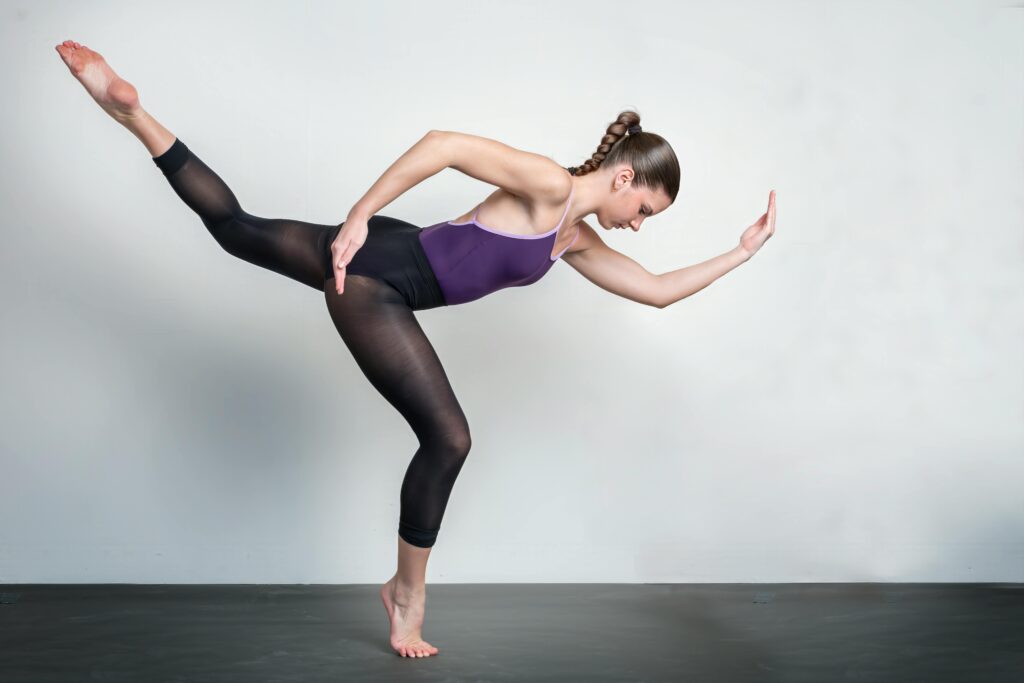
When people think of ballet, they often picture effortless grace: long lines, pointed toes, floating leaps, and perfect posture. Dancers seem to glide across the stage as if gravity barely touches them. But behind that elegance lies something powerful and often overlooked—the ballet body.
A ballet body isn’t just about looking lean or flexible. It’s about strength, control, endurance, and balance. It’s a physique shaped by discipline and repetition, where every muscle works with purpose. Ballet dancers train like elite athletes, combining artistry with intense physical conditioning.
Whether you dream of dancing professionally, want to improve your posture, or are simply looking for a new way to build strength and flexibility, understanding the ballet body can inspire a whole new approach to fitness and wellness.
Let’s explore what it really means to develop a ballet body—and how you can incorporate elements of ballet training into your own life.
What Is a Ballet Body?
The term “ballet body” describes the physical qualities developed through classical ballet training. It’s not about fitting into one specific shape or size. Instead, it’s about functional strength, mobility, and alignment.
A ballet-trained body typically features:
-
Strong core muscles
-
Lean, toned legs
-
Flexible hips and hamstrings
-
Excellent posture
-
Graceful coordination
-
High endurance
Unlike bulk-focused workouts, ballet emphasizes long, controlled movements that create strength without heaviness. The result is a balanced, athletic physique that moves fluidly.
It’s less about appearance and more about performance.
The Hidden Athleticism of Ballet
To an audience, ballet looks delicate. But dancers are constantly working against their own body weight.
Consider what ballet demands:
-
Holding poses on one leg
-
Jumping repeatedly
-
Landing softly
-
Turning multiple times without losing balance
-
Supporting partners during lifts
-
Practicing for hours each day
These skills require serious muscular power and stamina.
In fact, many sports scientists compare ballet training to gymnastics and professional athletics. Dancers often rehearse for four to six hours a day, combining cardio, strength training, and flexibility work all at once.
The elegance you see on stage is the result of extraordinary physical effort.
Core Strength: The Foundation of the Ballet Body
Everything in ballet begins with the core.
A strong core stabilizes the torso, supports the spine, and allows dancers to move their arms and legs freely without losing balance. Nearly every movement—whether it’s a pirouette or an arabesque—relies on deep abdominal and back muscles.
Unlike traditional crunch-heavy workouts, ballet develops the core through:
-
Planks
-
Slow leg lifts
-
Controlled balances
-
Barre exercises
-
Precise posture control
These movements target small stabilizing muscles, not just surface “six-pack” muscles.
The result is strength that feels integrated and natural, not stiff or bulky.
Long, Lean Legs Through Repetition
One of the most recognizable features of the ballet body is beautifully toned legs.
Ballet achieves this through high-repetition, low-impact movements that sculpt muscles without adding mass.
At the barre, dancers perform:
-
Pliés (bends)
-
Tendus (leg extensions)
-
Rond de jambes (circular leg movements)
-
Relevés (rises onto toes)
These exercises may look simple, but repeating them dozens of times builds endurance and definition.
Instead of explosive powerlifting or heavy squats, ballet focuses on controlled engagement. This creates muscles that are strong yet streamlined.
It’s why dancers’ legs often appear elongated and sculpted rather than bulky.
Flexibility and Mobility
Flexibility is another key component of the ballet body.
Dancers constantly stretch their:
-
Hamstrings
-
Hip flexors
-
Calves
-
Back
-
Shoulders
But ballet goes beyond passive stretching. It develops active flexibility, meaning you can control and support your range of motion with strength.
This is what allows dancers to hold high leg extensions or deep backbends without collapsing.
Active flexibility reduces injury risk and improves everyday movement, making tasks like bending, lifting, and walking feel easier.
For non-dancers, incorporating ballet-style stretches can dramatically improve mobility and posture.
Posture: Standing Taller Without Trying
Perhaps one of the most noticeable benefits of ballet training is posture.
Dancers are taught from day one to:
-
Lengthen the spine
-
Open the chest
-
Relax the shoulders
-
Engage the core
-
Align the head over the hips
Over time, this alignment becomes second nature.
The result? A taller, more confident presence—even offstage.
Good posture doesn’t just look better. It also:
-
Reduces back pain
-
Improves breathing
-
Enhances balance
-
Prevents muscle strain
Many people notice posture improvements after just a few weeks of ballet-inspired exercises.
Endurance and Stamina
Ballet classes might not look like cardio workouts, but they absolutely are.
A typical class involves continuous movement for 60–90 minutes, often with minimal breaks. Dancers transition seamlessly from barre work to center combinations to jumps.
This constant activity builds:
-
Cardiovascular endurance
-
Muscle stamina
-
Breath control
By the end of a session, most dancers are sweating just as much as they would during a run or HIIT workout.
The difference is that ballet feels rhythmic and expressive rather than repetitive.
It’s fitness disguised as art.
Can Anyone Develop a Ballet Body?
Absolutely.
You don’t need to start dancing at age five or aim for a professional career. Ballet-inspired fitness is for everyone.
Today, many studios and online platforms offer:
-
Beginner ballet classes
-
Barre workouts
-
Ballet conditioning sessions
-
Stretch and mobility classes
These programs adapt classical techniques into accessible exercises for all fitness levels.
You don’t need pointe shoes or a tutu—just comfortable clothes and a willingness to try something new.
Even two or three sessions a week can improve strength, flexibility, and posture noticeably.
Ballet-Inspired Exercises to Try
If you want to experience the benefits of a ballet body, here are a few simple moves to start with:
Pliés
Stand with heels together and toes turned out. Bend your knees while keeping your back straight. Great for thighs and glutes.
Relevés
Rise onto the balls of your feet and lower slowly. Strengthens calves and improves balance.
Leg Extensions
Lift one leg slowly to the front or side while keeping your torso stable. Builds core and hip strength.
Arm Positions
Hold your arms rounded in front of you or overhead while engaging your core. Enhances posture and endurance.
Small, controlled movements make a big impact.
The Mind-Body Connection
Beyond physical benefits, ballet strengthens mental focus.
Dancers must concentrate on:
-
Timing
-
Coordination
-
Musicality
-
Precision
This deep focus creates a strong mind-body connection, similar to yoga or Pilates.
Many people find ballet training calming and meditative. It encourages presence, discipline, and self-awareness.
You’re not just exercising—you’re learning how to move beautifully and intentionally.
Redefining the Ballet Body
It’s important to remember that today’s ballet world is evolving. The idea that a dancer must look a certain way is outdated.
Modern ballet celebrates diversity in body types and backgrounds. Strength, skill, and artistry matter more than fitting a narrow mold.
A ballet body isn’t about perfection.
It’s about capability.
It’s about feeling strong, poised, and confident in your own skin.
Final Thoughts
The ballet body represents more than aesthetics—it’s a symbol of dedication, balance, and total-body strength. Through controlled movements, repetition, and mindful training, ballet builds a physique that’s powerful yet graceful.
Whether you’re stepping into a studio for the first time or simply borrowing a few exercises for your routine, ballet offers something unique: fitness that feels like art.
So stand tall, lengthen your spine, and try a plié or two.
You might be surprised how quickly you begin to feel stronger, lighter, and more graceful—inside and out.
Because building a ballet body isn’t just about looking like a dancer.