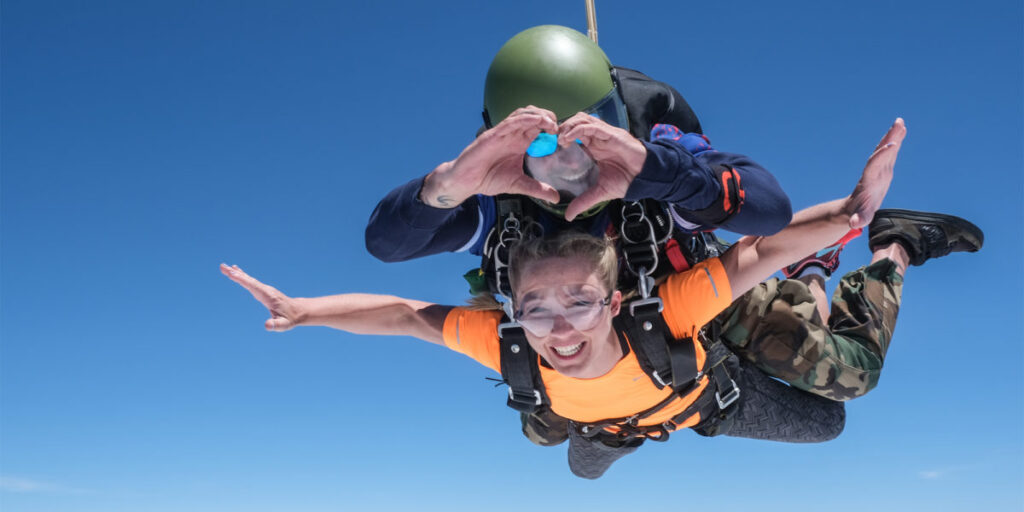
Skydiving is more than just an extreme sport—it’s an experience that blends adrenaline, trust, freedom, and a profound sense of being alive. The idea of stepping out of an aircraft thousands of feet above the ground may sound terrifying to some, yet for millions of people around the world, skydiving represents one of the most exhilarating and transformative moments of their lives. From its origins in military training to its modern role as a recreational and competitive sport, skydiving has evolved into a powerful symbol of courage and adventure.
The Origins and Evolution of Skydiving
The roots of skydiving can be traced back centuries, long before it became a leisure activity. Early concepts of human flight appeared in ancient China, where parachute-like devices were reportedly used for acrobatic performances. However, modern skydiving truly began in the late 18th century when André-Jacques Garnerin made the first recorded parachute jump from a hot air balloon in 1797. His daring leap laid the groundwork for parachuting as we know it today.
During the 20th century, skydiving advanced rapidly due to military needs. Paratroopers relied on parachutes for strategic deployment during World War II, pushing innovation in parachute design, safety mechanisms, and training methods. After the war, surplus equipment and experienced jumpers helped introduce skydiving to civilians, transforming it from a tactical necessity into a thrilling recreational pursuit. Over time, improvements in aircraft, materials, and safety protocols made skydiving more accessible and popular worldwide.
What It Feels Like to Skydive
Ask any skydiver to describe their first jump, and you’ll likely hear a mix of fear, excitement, and disbelief. The moments before the jump are often filled with racing thoughts and pounding heartbeats. As the aircraft door opens, cold air rushes in, and the ground far below suddenly feels very real.
The instant you leave the plane, gravity takes over. Contrary to popular belief, the sensation isn’t of falling but of flying. During freefall, which lasts around 30 to 60 seconds depending on altitude, your body quickly reaches terminal velocity—about 120 miles per hour for a stable belly-to-earth position. Wind roars past, time seems to stretch, and many jumpers describe an overwhelming sense of clarity and presence.
Once the parachute deploys, the experience shifts dramatically. The noise fades, the descent slows, and the world below becomes calm and expansive. This peaceful glide offers time to reflect, breathe, and appreciate the view before landing gently back on solid ground.
Types of Skydiving Experiences
Skydiving isn’t a one-size-fits-all activity. There are several ways to experience it, each catering to different skill levels and goals.
For beginners, tandem skydiving is the most common option. In a tandem jump, a first-time skydiver is securely harnessed to an experienced instructor who manages the jump, freefall, and parachute deployment. This allows newcomers to enjoy the thrill without extensive training.
Those who wish to pursue skydiving independently typically enroll in an Accelerated Freefall (AFF) program. AFF involves ground training followed by jumps where instructors accompany the student in freefall, gradually granting more autonomy as skills improve.
Beyond recreational jumping, skydiving also includes competitive disciplines such as formation skydiving, freeflying, canopy piloting, and wingsuit flying. These specialized forms push the boundaries of human movement in the air, requiring precision, teamwork, and advanced training.
Safety in the Skies
Despite its extreme reputation, skydiving is statistically safer than many people assume. Modern skydiving is built on rigorous safety standards, advanced equipment, and thorough training. Parachutes today are highly reliable and typically include a main canopy, a reserve canopy, and an automatic activation device (AAD). The AAD monitors altitude and speed, deploying the reserve parachute automatically if necessary.
Drop zones operate under strict regulations, and instructors undergo extensive certification processes. Weather conditions are carefully monitored, and jumps are delayed or canceled if conditions aren’t ideal. While no adventure sport is entirely risk-free, the emphasis on safety has significantly reduced accident rates over the decades.
The Mental and Emotional Impact
One of the most remarkable aspects of skydiving is its effect on the mind. Many people report feeling a profound sense of accomplishment after their first jump. Facing a deep-seated fear and choosing to step into the unknown can be incredibly empowering.
Skydiving often teaches valuable life lessons. Trust—both in equipment and in instructors—is essential. Letting go of control and embracing the moment can foster resilience and confidence that extend beyond the drop zone. For some, skydiving becomes a form of therapy, helping them break through mental barriers and reconnect with a sense of wonder.
Skydiving as a Community
Beyond the jump itself, skydiving offers a strong sense of community. Drop zones around the world are social hubs where people from diverse backgrounds come together, united by a shared love of flight and freedom. New jumpers are welcomed, guided, and encouraged by seasoned veterans who remember exactly what that first leap felt like.
This camaraderie often leads to lifelong friendships and a supportive environment where learning and personal growth are celebrated. Whether it’s packing parachutes together, sharing stories after a day of jumping, or traveling to new drop zones, the social aspect of skydiving is a major draw for many enthusiasts.
The Role of Technology and Innovation
Technology continues to shape the future of skydiving. Advancements in materials have made parachutes lighter, stronger, and more responsive. Digital altimeters, helmet-mounted cameras, and GPS tracking devices enhance both safety and enjoyment.
Wingsuit flying, one of the most visually stunning forms of skydiving, has benefited enormously from aerodynamic research and design improvements. These innovations allow jumpers to glide long distances horizontally, transforming freefall into a form of human flight that once seemed impossible.
Virtual reality training and simulation tools are also emerging, providing new ways for students to practice skills and build confidence before stepping into the sky.
Is Skydiving for Everyone?
While skydiving is accessible to many people, it isn’t suitable for everyone. Most drop zones have age, weight, and health requirements to ensure safety. Individuals with certain medical conditions may need clearance from a doctor before jumping.
That said, skydiving often surprises people who never thought they’d be brave enough to try it. Many first-timers describe the experience as life-changing, sparking a new appreciation for courage, perspective, and the beauty of the world below.
Conclusion: Taking the Leap
Skydiving represents the ultimate leap of faith—trusting yourself, your training, and the technology that carries you safely back to earth. It challenges fears, rewards bravery, and offers a rare glimpse of the world from a perspective few ever experience.
Whether you try it once as a bucket-list adventure or pursue it as a lifelong passion, skydiving leaves an indelible mark. In those moments of freefall and quiet descent, you’re reminded that life’s most extraordinary experiences often begin with a single step into the unknown—and the courage to let go.