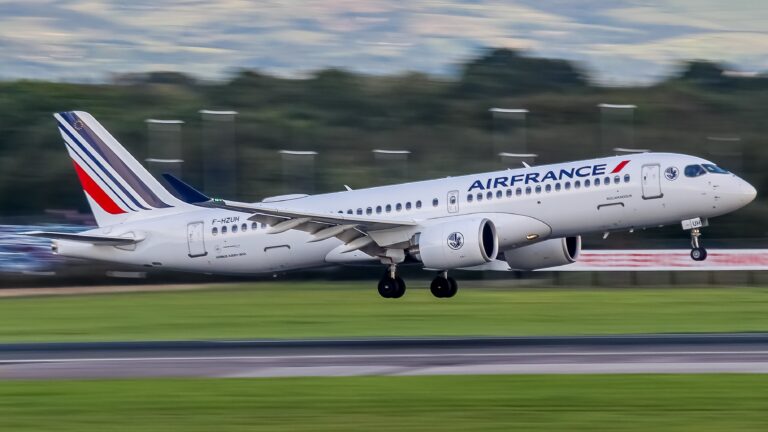
Air travel is widely regarded as one of the safest modes of transportation, largely due to strict regulations, advanced technology, and highly trained flight crews. Even so, unexpected situations can arise that require swift and decisive action. One such situation is an emergency diversion, where a flight lands at an airport other than its original destination for safety or operational reasons. The Air France flight emergency Madrid diversion is an example of how airlines prioritize passenger safety and operational control when faced with unforeseen circumstances. This article explores what such a diversion means, why Madrid is often used as a diversion airport, how airlines like Air France manage these situations, and what passengers can expect when a diversion occurs.
Understanding Emergency Diversions in Commercial Aviation
An emergency diversion occurs when a flight cannot safely continue to its planned destination and must land at an alternate airport. These decisions are made by the flight crew in coordination with air traffic control and the airline’s operations center. Diversions may be precautionary or urgent, depending on the nature of the issue.
Contrary to popular belief, an emergency diversion does not always indicate a life-threatening problem. In many cases, it is a preventive measure designed to address a potential issue on the ground rather than in the air. The Air France flight emergency Madrid diversion reflects this safety-first approach that governs modern aviation.
Why Madrid Is a Common Diversion Airport
Madrid, home to Adolfo Suárez Madrid–Barajas Airport, is one of Europe’s major aviation hubs. Its strategic location, extensive infrastructure, and advanced emergency services make it a frequent choice for diverted flights.
The airport features multiple long runways capable of handling wide-body aircraft, modern maintenance facilities, and access to medical services. For flights traveling between Europe, Africa, and the Americas, Madrid is often well-positioned as a suitable alternate airport. When an Air France flight diverts to Madrid, it is usually because the airport offers the necessary resources to manage the situation safely and efficiently.
Overview of an Air France Flight Emergency Diversion to Madrid
In an Air France flight emergency Madrid diversion, the aircraft was operating a scheduled route when the flight crew identified a condition that required landing at an alternate airport. The decision to divert would have followed established safety procedures and been communicated clearly to air traffic control.
Once the diversion was initiated, Madrid-Barajas Airport prepared to receive the aircraft. Emergency services may have been placed on standby as a precaution, even if the situation did not involve immediate danger. The aircraft landed safely, demonstrating the effectiveness of coordinated emergency planning.
Common Causes of Emergency Diversions
Emergency diversions can occur for a wide range of reasons. While airlines may not always disclose specific technical details immediately, the most common causes include the following.
Medical Emergencies Onboard
Medical issues involving passengers or crew members are among the most frequent reasons for diversions. If someone experiences a serious health event that cannot be adequately managed during flight, pilots will divert to the nearest suitable airport. Madrid’s access to major hospitals makes it an ideal choice in such situations.
Mechanical or Technical Irregularities
Aircraft systems are designed to detect even minor irregularities. A warning related to engines, hydraulics, avionics, or cabin systems may prompt a diversion. Often, these alerts are precautionary, and the aircraft lands safely without further complications. Investigating potential issues on the ground significantly reduces risk.
Cabin Environment Concerns
Unusual smells, smoke warnings, or pressurization concerns are treated with utmost seriousness. Even if the issue later turns out to be non-threatening, landing to assess the situation is considered best practice. This cautious approach may have played a role in an Air France flight emergency Madrid diversion.
Weather or Airspace Factors
Severe weather, unexpected turbulence, or sudden restrictions in airspace can also lead to diversions. Although these situations are not always classified as emergencies, they can still require immediate action to ensure safety.
Pilot Decision-Making During an Emergency Diversion
Pilots undergo extensive training to handle abnormal and emergency situations. When faced with an issue, they rely on checklists, simulator-based experience, and real-time data from aircraft systems.
In the case of an Air France flight diverting to Madrid, the flight crew would have assessed the severity of the situation, identified suitable alternate airports, and selected Madrid based on operational suitability. Communication with air traffic control ensures priority handling, while coordination with the airline’s operations center helps manage ground logistics and passenger support.
Clear and calm communication with the cabin crew and passengers is also essential. Pilots typically provide brief explanations to reassure passengers that the diversion is being made for safety reasons.
Passenger Experience During the Madrid Diversion
For passengers, an emergency diversion can be confusing and stressful, particularly if it disrupts travel plans. On an Air France flight emergency Madrid diversion, passengers would have experienced a change in destination, followed by an unscheduled landing.
Cabin crew play a crucial role in maintaining calm and ensuring safety. After landing, passengers may be asked to remain seated while emergency or ground personnel complete inspections. Depending on the situation, passengers may disembark, be transferred to another aircraft, or wait onboard while the issue is resolved.
Air France typically works to rebook passengers on alternative flights, provide accommodation if necessary, and offer assistance in line with airline policies and applicable regulations.
Role of Ground Services and Emergency Response
Madrid-Barajas Airport is equipped to handle emergency landings efficiently. Airport authorities coordinate with airline representatives, maintenance teams, medical services, and border control if required.
Emergency vehicles may be positioned near the runway as a precaution, even if there is no visible issue. This readiness ensures that immediate assistance is available if needed. For an Air France flight emergency Madrid diversion, this level of preparedness contributes to a smooth and controlled outcome.
Post-Diversion Aircraft Inspections
After an emergency diversion, the aircraft undergoes detailed inspections by certified maintenance technicians. If a mechanical or technical issue prompted the diversion, it must be fully resolved before the aircraft is cleared for further service.
This process underscores the aviation industry’s commitment to safety. Even minor irregularities are carefully documented and analyzed, helping airlines improve maintenance practices and prevent future incidents.
Media Attention and Public Perception
Emergency diversions often attract media coverage, especially when passengers share images or videos on social media. The term “emergency” can sound alarming, but it is important to recognize that these diversions are usually precautionary and result in safe landings.
The Air France flight emergency Madrid diversion highlights how quickly information can spread and how essential accurate communication is in shaping public understanding.
Lessons for Air Travelers
There are several key takeaways for passengers from incidents like this. First, emergency diversions are a sign that safety systems are working as intended. Second, following crew instructions and remaining patient can make the experience less stressful. Finally, understanding that diversions are part of normal airline operations can help travelers maintain confidence in air travel.
Conclusion
The Air France flight emergency Madrid diversion illustrates the aviation industry’s unwavering focus on safety and preparedness. While such events can be inconvenient and unsettling, they demonstrate how airlines, flight crews, and airports work together to manage unexpected situations effectively.
Through proactive decision-making, advanced technology, and coordinated emergency response, Air France ensured a safe outcome for everyone involved. For passengers, understanding the reasons behind emergency diversions can provide reassurance and reinforce trust in the systems that keep air travel safe every day.