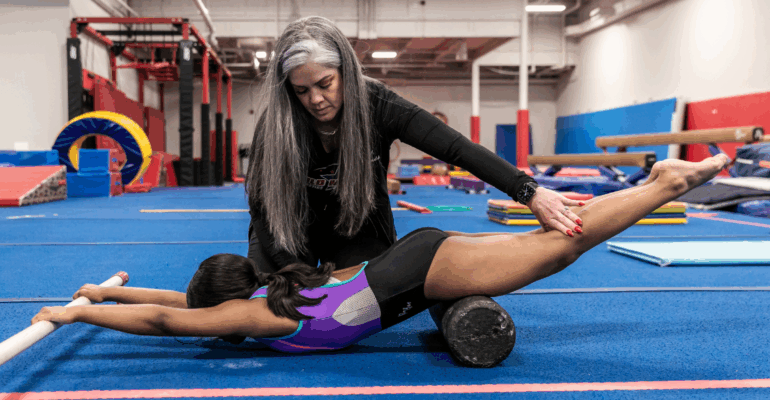
Tumbling mats are essential tools in the world of gymnastics, cheerleading, martial arts, yoga, and physical education. They provide a safe, cushioned space where athletes of all ages can practice movements ranging from basic rolls to advanced acrobatics. Whether placed in a home gym, school facility, or professional training center, tumbling mats act as the foundation upon which athletes build skill, confidence, and body awareness. Though often overlooked, these mats play a vital role in injury prevention, progression training, and overall performance.
This article explores the history of tumbling mats, the types available today, how they enhance safety and skill development, the key features to consider when purchasing one, and the reasons they have become indispensable in both amateur and professional settings.
A Brief History of Tumbling Mats
Tumbling mats have evolved alongside the growth of physical education and athletics. Early gymnastic training in Europe utilized simple padded surfaces made of straw, wool, or cotton. As gymnastics gained popularity in the 19th and early 20th centuries, schools and athletic clubs began investing in better equipment to ensure safety during dynamic movements.
Modern tumbling mats developed significantly with advancements in foam manufacturing and synthetic materials. Today’s mats are crafted from high-density polyethylene or EVA foam, covered in durable, non-slip vinyl. These improvements have allowed athletes to practice higher-impact movements with greater confidence, contributing to the rise of competitive gymnastics, cheerleading, and acrobatic sports worldwide.
Why Tumbling Mats Are Essential for Safety
One of the primary reasons tumbling mats are used is to reduce the risk of injury. Tumbling, by nature, involves rapid movement, inversion, and impact. Without proper cushioning, athletes can suffer sprains, bruises, joint injuries, or fractures.
Tumbling mats enhance safety in several ways:
1. Shock Absorption
The foam inside the mat absorbs impact forces during jumps, rolls, and falls, reducing stress on joints and bones.
2. Slip Resistance
Vinyl covers provide traction, minimizing the risk of slipping during rapid movements.
3. Cushioning for Repetition
Skill development requires repetition. Practice on a hard or uneven surface can lead to overuse injuries, but mats provide a soft, consistent surface that protects the body.
4. Controlled Training Environment
Mats create a defined practice area, helping athletes maintain spatial awareness and reducing collisions.
5. Safety During Skill Progression
Beginners learning cartwheels and advanced gymnasts practicing aerials both benefit from a cushioned landing zone.
Injury prevention is not just about avoiding accidents—it is about creating a stable environment where athletes feel confident to push their limits safely.
Types of Tumbling Mats
Tumbling mats come in various styles, each designed for specific activities and training levels. Understanding the options helps users choose the best mat for their needs.
1. Panel Tumbling Mats
Panel mats are the classic gym mats seen in schools and sports centers. They fold into sections, making them easy to store and transport. Ideal for beginner-to-intermediate tumbling, stretching, and general exercise.
2. Air Track Mats
Inflatable tumbling mats have surged in popularity. Made from durable PVC, they offer adjustable firmness and excellent bounce, ideal for gymnasts and cheerleaders practicing flips, handsprings, and aerials. They are lightweight and portable, making them perfect for home use.
3. Cartwheel Mats
Designed for young gymnasts, cartwheel mats have hand and foot placements printed on the surface. They teach proper alignment and technique for basic tumbling skills.
4. Landing Mats
Thicker and softer than traditional panel mats, landing mats provide extra cushioning for dismounts, jumps, and higher-risk skills. They are commonly used in gymnastics facilities and competitive training.
5. Incline Mats (Wedge Mats)
Shaped like a wedge, incline mats help beginners learn backward rolls, forward rolls, walkovers, and transitions. They support safe progression and proper body positioning.
6. Folding Mats
Similar to panel mats but designed for multi-purpose use in fitness, yoga, home gyms, and stretching.
With so many choices available, athletes can find mats suited to every skill level, space, and training need.
How Tumbling Mats Support Skill Development
Beyond safety, tumbling mats play a crucial role in helping athletes build strength, balance, coordination, and confidence.
1. Encouraging Proper Technique
Practicing on a cushioned surface allows athletes to focus on form without fear of falling. This enables repetition, correction, and refinement of skills.
2. Providing Progressive Training Steps
Different mats allow gradual skill progression. For example, a wedge mat helps with walkovers, and once the movement is mastered, athletes transition to flat mats.
3. Building Strength and Flexibility
Tumbling requires core strength, shoulder stability, leg power, and flexibility. Mats support warm-ups, stretching routines, strength drills, and conditioning exercises.
4. Reducing Mental Barriers
Fear of injury can hinder progress. When athletes practice on mats they trust, they are more willing to attempt new skills.
5. Supporting All Ages and Levels
Toddlers learning body awareness, teenagers mastering tumbling sequences, and adults practicing fitness routines all benefit from the structure mats provide.
Skill development depends not only on physical ability but also on the athlete’s comfort and willingness to practice consistently—qualities enhanced by safe, high-quality mats.
Key Features to Consider When Choosing a Tumbling Mat
Choosing the right tumbling mat requires evaluating factors like thickness, size, density, material, and intended use.
1. Thickness
-
1–2 inches: Suitable for low-impact activities like stretching or basic tumbling.
-
2–4 inches: Ideal for cheerleading, gymnastics, martial arts, and medium-impact training.
-
4–8 inches: Best for landing mats and high-impact skills.
Thicker mats provide more cushioning but may feel less stable for balance-based skills.
2. Foam Density
High-density foam offers firm support and longevity, while low-density foam compresses easily and may not protect adequately.
3. Cover Material
Most tumbling mats use vinyl or PVC for durability, easy cleaning, and moisture resistance. Non-slip surfaces reduce falls.
4. Size and Portability
Consider where the mat will be used:
-
Home users may prefer folding mats or air tracks.
-
Gyms require larger, professional-grade mats.
-
Outdoor use requires weather-resistant materials.
5. Connection Options
Many mats come with Velcro edges to connect multiple pieces, allowing users to expand their training surface.
6. Durability and Warranty
Quality mats should withstand repeated folding, weight shifts, and high-impact exercises. Warranties indicate manufacturer confidence.
Choosing the right features ensures safety, comfort, and longevity of the mat.
Tumbling Mats in Different Sports and Settings
Tumbling mats are incredibly versatile. They are used across many sports and activities:
1. Gymnastics
Essential for floor routines, vault practice, beam dismounts, and skill drills.
2. Cheerleading
Cheerleaders use mats for tumbling passes, jumps, stunts, and conditioning.
3. Martial Arts
Judo, karate, taekwondo, and mixed martial arts require mats for falls, throws, and grappling.
4. Dance
Mats help dancers practice floor work safely.
5. Fitness and Yoga
Provide cushioning for stretching, pilates, strength training, and mobility exercises.
6. Schools and Physical Education
Used to teach basic athletic skills, balance, coordination, and safe exercise habits.
7. Home Gyms
Parents often invest in mats to help kids practice safely at home.
The versatility of tumbling mats makes them useful far beyond professional athletic training.
Maintenance and Care Tips
To ensure longevity and hygiene, tumbling mats require proper care:
-
Clean with mild soap and water after use.
-
Store in a dry place to prevent mold.
-
Avoid placing heavy equipment on top when folded.
-
Check Velcro connections and seams regularly.
-
Keep mats away from direct sunlight to prevent fading or warping.
-
Re-inflate air tracks properly and check for leaks.
Well-maintained mats provide consistent performance and safety over many years.
Conclusion: The Unsung Heroes of Training Environments
Tumbling mats may not be the stars of athletic performance, but they are the silent partners behind every successful flip, roll, jump, and landing. They protect bodies, build confidence, and create spaces where athletes feel safe to dream big and push boundaries.
From young children taking their first cartwheel to elite gymnasts practicing high-level routines, tumbling mats support growth at every step. Their evolution reflects the human commitment to safer, smarter, and more accessible physical training.
In the end, tumbling mats are more than equipment—they are the foundation of progress, safety, and athletic excellence.