
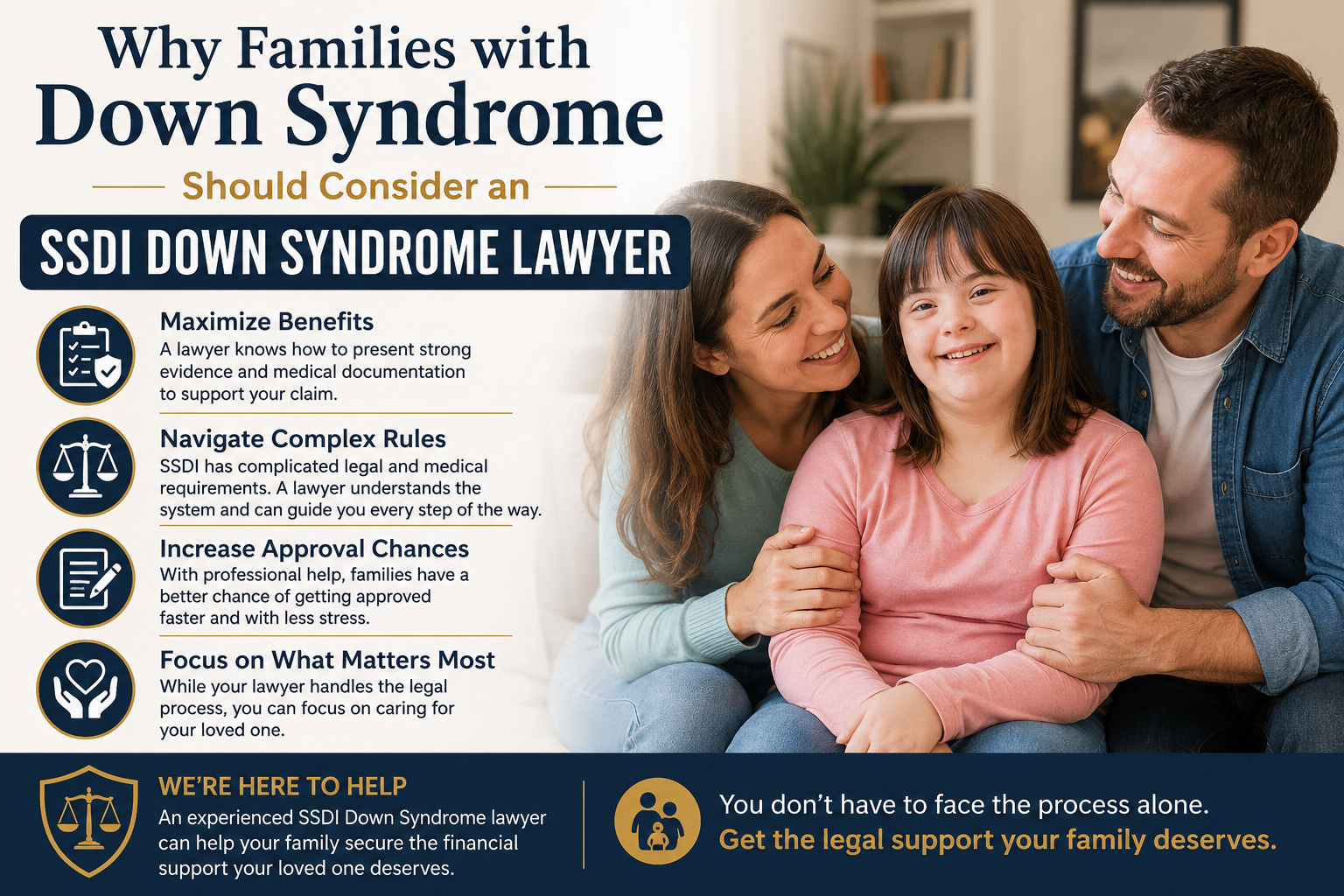
Families with a member diagnosed with Down Syndrome often face unique challenges when seeking Social Security Disability Insurance (SSDI) benefits. The complexities of the application process can be daunting, requiring thorough documentation and precise adherence to legal standards. Engaging a specialized SSDI Down Syndrome Lawyer can significantly improve the chances of securing the benefits needed for long-term care and support. This article explores why legal representation is crucial, the role of a lawyer in the process, common challenges faced, and how expert guidance can enhance your claim.
Navigating SSDI Benefits for Families with Down Syndrome
Applying for SSDI benefits involves understanding a myriad of legal documents and requirements, such as the Deposition Notice, which outlines necessary testimonies and evidence. Families must ensure that every detail aligns with the SSDI program criteria. This includes presenting medical evidence in a manner that clearly demonstrates the impact of Down Syndrome on daily living activities. A lawyer’s expertise in navigating these requirements can be invaluable, ensuring that applications are thoroughly prepared and compliant with all statutory standards.
Moreover, families must be prepared for potential interrogation from adjudicators. A well-organized Pleadings Binder, which consolidates all legal documents and evidence, can streamline the process. Lawyers specializing in SSDI claims use such tools to effectively present cases, highlighting the necessity of benefits for the applicant’s well-being.
The Role of an SSDI Down Syndrome Lawyer
An SSDI Down Syndrome Lawyer plays a pivotal role in the application and appeal process. They offer specialized knowledge of Social Security law and possess experience in crafting comprehensive Legal Brief Templates that articulate the necessity of benefits for Down Syndrome cases. Their familiarity with local judges and processes, such as those in Arizona, allows them to strategically navigate the system, increasing the likelihood of a successful outcome.
Legal representatives also ensure that all necessary documents, including the Due Diligence Checklist, are meticulously completed and submitted on time. This checklist is critical in verifying that all procedural requirements are met, reducing the risk of application denial due to technical oversights.
Common Challenges in Securing SSDI for Down Syndrome
Securing SSDI benefits can be fraught with challenges, such as proving the severity of the impairment and its impact on the individual’s ability to work. Often, the process involves detailed medical evaluations and the potential for Tortious Interference, where conflicting claims can arise. A lawyer can adeptly handle these issues by conducting thorough investigations and gathering compelling evidence to support the claim.
In many cases, families may also face issues related to E-Discovery Software, which involves the electronic retrieval and management of relevant documents. Lawyers skilled in handling such technological aspects can prevent unnecessary delays by ensuring all digital evidence is accurately compiled and presented.
For example, a SSDI Down Syndrome Lawyer can assist in navigating these challenges, providing guidance grounded in extensive legal experience and knowledge of the SSDI process.
How Legal Representation Can Enhance Your SSDI Claim
Having legal representation can substantially enhance the odds of a successful SSDI claim. Lawyers provide expert advice on crafting a compelling Mediation Agreement, which can facilitate negotiations and settlements without the need for lengthy litigation. They can also draft Conflict of Interest Disclosures to prevent any potential legal disputes that could arise during the application process.
Additionally, a lawyer can manage Subpoena Duces Tecum requests, ensuring that all necessary documents are procured from third parties in a legally compliant manner. This proactive approach helps in building a robust case that stands up to scrutiny by Social Security Administration (SSA) officials.
Recent studies from the SSA indicate that applications handled by legal professionals have a higher approval rate, highlighting the importance of expert legal assistance in the SSDI application process.
Conclusion
Securing SSDI benefits for a family member with Down Syndrome is a complex and often overwhelming endeavor. Engaging a specialized SSDI Down Syndrome Lawyer can make a significant difference by providing expert guidance and increasing the likelihood of a successful claim. For families in Arizona and beyond, the local expertise and compassionate service offered by law firms like Pekas Smith can be invaluable resources in navigating the intricacies of Social Security Disability law.