Introduction
For nearly two decades, smartphones have been the center of our digital lives. They have transformed how we communicate, work, shop, navigate, and consume information. However, as technology continues to evolve, many experts believe the smartphone’s dominance may eventually give way to a new generation of wearable devices. Among the leading candidates are smart glasses.
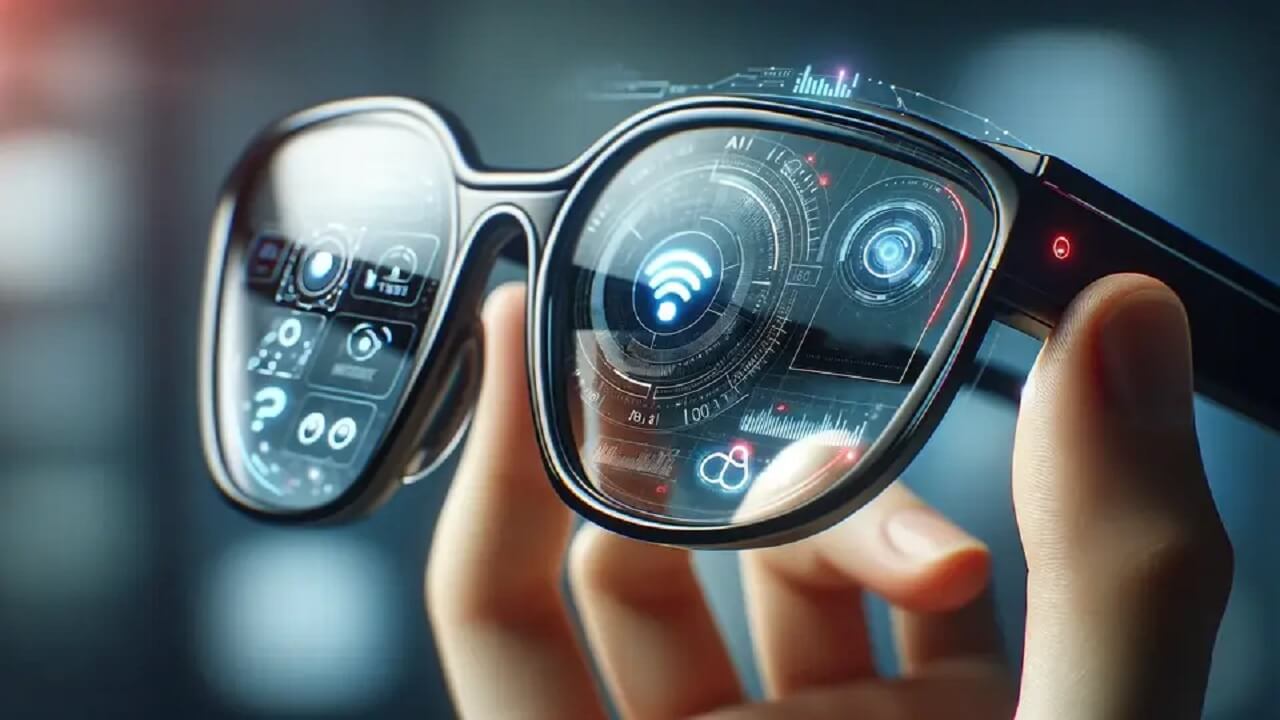
Smart glasses combine advanced computing, artificial intelligence, augmented reality (AR), and hands-free connectivity into a device that can be worn like traditional eyewear. Instead of constantly looking down at a phone screen, users can access digital information directly within their field of vision. This shift could fundamentally change the way humans interact with technology.
As companies invest billions of dollars into wearable computing, the question is no longer whether smart glasses will become mainstream, but whether they could eventually replace smartphones altogether. This article explores the rise of smart glasses, the technologies driving their development, their potential advantages, challenges, and what the future may look like in a post-smartphone world.
The Evolution of Personal Computing
Technology has consistently moved toward greater portability and convenience.
The progression has been remarkable:
- Desktop computers
- Laptop computers
- Smartphones
- Smartwatches
- Smart glasses
Each generation reduced the distance between users and digital information.
Smartphones brought computing into our pockets. Smart glasses aim to make computing virtually invisible by integrating it directly into everyday eyewear.
Instead of carrying a device and interacting through a touchscreen, users may access information naturally through voice commands, gestures, eye tracking, and AI assistants.
What Are Smart Glasses?
Smart glasses are wearable devices that resemble conventional eyeglasses but contain advanced technology components.
These may include:
- Micro-displays
- Cameras
- Speakers
- Microphones
- Sensors
- Artificial intelligence processors
- Wireless connectivity
- Augmented reality capabilities
Depending on the design, smart glasses can display information, capture images, provide navigation, translate languages, answer questions, and interact with digital environments.
Some models focus on audio and AI assistance, while others incorporate full AR experiences that overlay digital content onto the real world.
Why Smart Glasses Could Replace Smartphones
Hands-Free Convenience
One of the biggest limitations of smartphones is that they require users to hold and actively engage with a screen.
Smart glasses eliminate this requirement.
Users can:
- Read notifications
- Receive directions
- Answer calls
- Access information
- Control applications
All without removing their hands from daily tasks.
This creates a more seamless and natural interaction with technology.
Constant Accessibility
Smartphones often remain in pockets, bags, or on desks.
Smart glasses are worn throughout the day, allowing instant access to information whenever needed.
This accessibility can improve productivity and reduce interruptions caused by repeatedly checking a phone.
Enhanced Multitasking
Smart glasses allow users to remain engaged with their surroundings while interacting with digital content.
For example:
- A mechanic can view repair instructions while working.
- A surgeon can access patient information during procedures.
- A traveler can receive navigation directions without looking at a phone.
This blend of digital and physical experiences offers significant advantages across many industries.
The Role of Augmented Reality
Augmented reality is one of the most important technologies behind smart glasses.
Unlike virtual reality, which immerses users in a completely digital environment, AR overlays digital information onto the real world.
Examples include:
- Navigation arrows on streets
- Real-time translations
- Interactive educational content
- Product information displays
- Digital workspaces
AR enables users to interact with information without disconnecting from their surroundings.
As AR technology improves, smart glasses become increasingly capable of replacing smartphone functions.
Artificial Intelligence Integration
Artificial intelligence is expected to play a central role in the success of smart glasses.
Future AI-powered glasses may:
- Understand spoken language
- Recognize objects
- Identify landmarks
- Summarize conversations
- Translate languages instantly
- Provide contextual recommendations
Instead of opening multiple apps, users may simply ask an AI assistant for assistance.
For example:
“Show me nearby restaurants.”
“Translate this sign.”
“Schedule a meeting.”
“Identify this plant.”
The AI processes the request and presents information directly within the user’s field of vision.
Potential Applications
Communication
Smart glasses could transform communication by enabling:
- Voice calls
- Video calls
- Instant messaging
- Live captions
- AI-assisted conversations
Users may communicate without constantly handling devices.
Navigation
Navigation is one of the strongest use cases for smart glasses.
Instead of looking down at maps, users can see directional guidance overlaid onto roads, sidewalks, or buildings.
This improves convenience and safety.
Education
Students can benefit from interactive learning experiences.
Examples include:
- Historical information displayed at landmarks
- Real-time translations
- Virtual laboratory simulations
- Interactive tutorials
Smart glasses can make learning more engaging and accessible.
Healthcare
Medical professionals may use smart glasses to access patient information, imaging results, and treatment guidelines while maintaining focus on patient care.
Remote healthcare consultations may also become more efficient.
Business and Industry
Workers in manufacturing, logistics, engineering, and maintenance can receive real-time instructions, reducing errors and improving productivity.
Hands-free access to information is particularly valuable in industrial environments.
Challenges Facing Smart Glasses
Despite their promise, smart glasses face several obstacles before they can replace smartphones.
Battery Life
Power consumption remains a significant challenge.
Smart glasses must balance:
- Displays
- Sensors
- AI processing
- Connectivity
All within a lightweight wearable device.
Advances in battery technology will be critical for widespread adoption.
Privacy Concerns
Built-in cameras and sensors raise important privacy questions.
People may be uncomfortable around devices capable of recording audio or video at any time.
Manufacturers must implement clear privacy safeguards and transparent usage policies.
Cost
Advanced smart glasses can be expensive.
Mass-market adoption will likely depend on reducing production costs while maintaining functionality.
Affordable pricing is essential for widespread consumer acceptance.
Design and Comfort
Unlike smartphones, glasses are worn on the face for extended periods.
Manufacturers must ensure:
- Lightweight construction
- Comfortable fit
- Attractive appearance
- Durability
Consumers are more likely to adopt devices that resemble traditional eyewear rather than bulky technology products.
The Smartphone and Smart Glasses Relationship
In the near future, smart glasses are more likely to complement smartphones rather than replace them entirely.
Many early smart glasses depend on smartphones for:
- Internet connectivity
- Processing power
- App integration
- Data storage
Over time, however, improvements in wireless networks, cloud computing, and onboard processors may reduce this dependence.
Eventually, smart glasses could function as fully independent computing devices.
Major Technology Companies Investing in Smart Glasses
Leading technology companies recognize the potential of wearable computing.
Industry investment focuses on:
- Augmented reality platforms
- AI integration
- Advanced optics
- Wearable operating systems
- Sensor technologies
The race to create the next dominant computing platform is accelerating.
Just as smartphones transformed technology markets in the 2000s, smart glasses may define the next era of digital innovation.
Will Smartphones Disappear?
The complete disappearance of smartphones is unlikely in the immediate future.
Smartphones remain highly versatile and deeply integrated into modern life.
However, history shows that dominant technologies eventually evolve.
Just as smartphones reduced reliance on desktop computers for many tasks, smart glasses could gradually reduce dependence on smartphones.
The transition may occur over many years as technology matures and user behavior changes.
Rather than a sudden replacement, the future will likely involve a gradual shift toward wearable computing ecosystems.
The Future of Wearable Computing
Several emerging technologies could accelerate smart glass adoption:
Advanced AI Assistants
More intelligent and personalized digital assistants will improve user experiences.
5G and Future Networks
Faster wireless connectivity will support real-time cloud processing and augmented reality applications.
Better Batteries
Longer battery life will make smart glasses practical for all-day use.
Improved Displays
Brighter, smaller, and more energy-efficient displays will enhance visual experiences.
Context-Aware Computing
Future devices may anticipate user needs and provide information proactively.
These innovations could make smart glasses an essential part of everyday life.
Conclusion
Smart glasses represent one of the most exciting developments in personal technology. By combining augmented reality, artificial intelligence, wearable computing, and hands-free interaction, they have the potential to redefine how people access and engage with digital information.
While smartphones are unlikely to disappear overnight, smart glasses offer a compelling vision of the future—one where technology becomes more natural, intuitive, and seamlessly integrated into daily life. Challenges such as battery life, privacy concerns, cost, and design must still be addressed, but progress continues at a rapid pace.
As wearable technology advances, smart glasses may become the next major computing platform, transforming communication, work, education, healthcare, and entertainment. The era after smartphones may not be as far away as many people think.