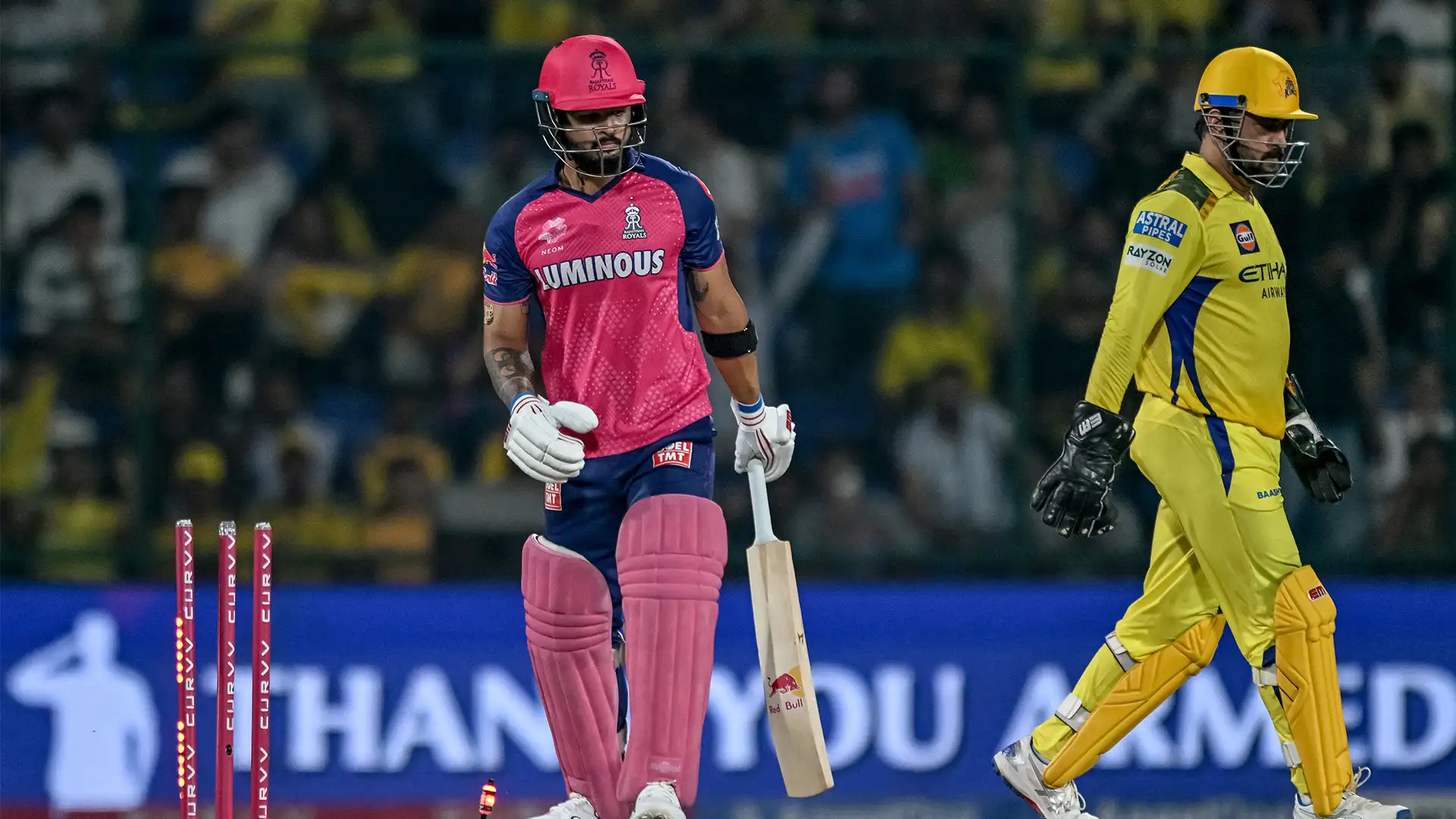
The rivalry between rajasthan royals chennai super kings has always felt bigger than a normal fixture because it brings together two very different cricketing moods in one match. One side often symbolizes freshness, experimentation, and fearless energy, while the other is known for structure, calmness, and championship habits. That contrast is why the contest keeps drawing attention from fans, analysts, and brands alike.
Both franchises were part of the IPL’s first season in 2008, which gives their meetings a deep historical layer rather than a temporary storyline. Rajasthan Royals entered as one of the original teams, while Chennai Super Kings grew into one of the league’s most successful sides, with five titles to its name and a reputation for consistency that few teams can match.
What makes this rivalry interesting is not only who wins, but how the wins happen. The contest often becomes a lesson in patience, planning, momentum, and adaptability. Some matches are decided by quick starts,IPL rivalry, cricket branding, fan engagement some by clever bowling changes, and some by composure under pressure. That is why this fixture has remained relevant across changing squads, new captains, and shifting seasons.
Why this fixture feels different
Every strong sporting rivalry needs contrast. Without contrast, a match can still be good, but it may not feel memorable. Here, the contrast is clear. Rajasthan brings a spirit of risk, youth, and flexible thinking. Chennai brings a culture of order, experience, and trust in processes. When those two ideas meet, the contest becomes more than a scorecard.
That difference also changes the emotional tone of the game. Rajasthan fans often look for bursts of brilliance, daring partnerships, and unexpected match-winners. Chennai fans often expect controlled chases, stable batting plans, and bowlers who know exactly when to strike. The result is a clash of expectations as much as a clash of skill.
This is one reason the fixture can feel dramatic even when the margin is small. A close finish does not only create suspense; it also validates the identity of the winning side. If Rajasthan wins, the result often feels like a reward for boldness. If Chennai wins, it often feels like a reward for discipline. That emotional framing gives the rivalry extra weight.
In modern cricket, identity matters almost as much as talent. Teams are no longer judged only by trophies. They are judged by the story they tell, the atmosphere they build, and the loyalty they inspire. Rajasthan Royals and Chennai Super Kings both understand this well, which is why their encounters attract attention from viewers who do not even support either side.
The roots of the rivalry
To understand this matchup properly, it helps to remember how old the relationship is. Both franchises were there at the start of the IPL era, and that matters because early rivalries tend to shape the culture of a league. When teams meet from the beginning, they do not just compete for points; they also create a shared memory bank for supporters.
Rajasthan Royals have often been associated with discovery. The franchise is regularly linked with fresh talent, smart scouting, and the idea that a well-chosen group can outperform a bigger or louder one. Chennai Super Kings, by contrast, have built a legacy around continuity, confidence, and the ability to stay competitive even when seasons change. That difference has made their meetings feel like a debate between two cricket philosophies.
One useful way to read the rivalry is to see it as a test of team architecture. Rajasthan tends to succeed when its structure allows freedom. Chennai tends to succeed when its structure supports certainty. Neither method is wrong. The rivalry becomes compelling precisely because both methods can work, depending on execution.
A reader who wants a quick team-history refresher can also explore the Chennai Super Kings page, which shows how strongly the franchise has been tied to titles, consistency, and leadership over time.
Style versus structure
Great sports rivalries often become shorthand for larger ideas. In this case, Rajasthan represents improvisation and Chennai represents method. Rajasthan may appear to thrive on momentum. Chennai may appear to thrive on clarity. A match between them can therefore feel like a contest between two approaches to life, not just two cricket teams.
This is one reason fans talk about the fixture in terms of temperament. Rajasthan can look dangerous when its top order fires early and its bowlers attack with purpose. Chennai can look dangerous when it settles into rhythm, controls the overs, and makes the opposition feel rushed. The tactical battle is real, but the psychological battle may be even more important.
Teams that want to beat Rajasthan often try to reduce the value of fast starts. Teams that want to beat Chennai often try to disrupt the calm. That is why the same match can be decided in very different ways across different seasons. One year, the opening overs may matter most. Another year, the middle overs may become the turning point. The rivalry remains fresh because it never relies on a single script.
This makes the encounter valuable for students of cricket as well. Anyone studying how a team identity is formed can learn from this fixture. It shows that success can be built either by creating pressure through energy or by controlling pressure through design. Both styles can win. Both styles can fail. The art lies in adapting without losing identity.
What the crowd brings to the contest
A rivalry is never just on the field. The crowd turns a fixture into a shared event, and this matchup has long benefited from strong fan emotion. Supporters do not come simply to watch a game; they come to defend a viewpoint. Every boundary, wicket, and tactical move becomes a statement about which cricket philosophy feels stronger.
The crowd effect matters because it influences momentum. Home support can lift batting confidence, sharpen fielding intensity, and create a sense that every small success matters more than it otherwise would. When a team senses that the crowd believes, it often plays with more intention. That is true for both sides in this rivalry.
In a broader business sense, fan energy is not only emotional; it is also valuable. It drives merchandise interest, digital engagement, and conversation around match days. For readers interested in the commercial side of sports communication, the BusinessToMark business archive offers a wider look at how business content is organized, while a practical guide on screen recording for business professionals shows how modern visual communication supports audience reach.
That connection may seem indirect at first, but it is useful. Sports brands now rely on content, design, and timing as much as on on-field results. A memorable fixture creates material that can be reused across highlights, interviews, previews, reels, and fan stories. The rivalry therefore becomes part of a wider media engine.
The tactical heartbeat of the contest
One reason this matchup holds attention is that it rewards tactical detail. It is rarely enough to simply have star names. A team must use those names at the right time. That means knowing when to attack, when to slow down, and when to hold back resources for later overs.
In the powerplay, the key question is usually whether the batting side can create enough lift without losing shape. Rajasthan often wants early momentum to keep the innings light and fearless. Chennai often wants control, because control in the first six overs can set up the rest of the innings. The first phase is important not just for runs, but for tone.
In the middle overs, the match becomes more subtle. This is where the quality of rotation, matchups, and field placement matters most. A side that can keep the scoreboard moving without forcing unnecessary risks usually gains an edge. Because both teams have experience in these situations, the margin can be tiny. A single over can shift the entire mood.
At the death, calm becomes priceless. A side with strong finishers can turn a respectable total into a dangerous one. A side with disciplined bowlers can turn a dangerous chase into a manageable one. In this rivalry, death-over execution often separates good cricket from winning cricket. That is why the contest is so often remembered for one bowler’s final spell or one batter’s final burst.
The role of experience
Experience is one of Chennai’s defining strengths. The franchise has long been associated with players who understand tempo, pressure, and game management. The team’s history of success has helped create a culture where difficult moments are treated as parts of the process rather than emergencies. That kind of mindset often shows up in close matches.
Rajasthan, on the other hand, has often made room for new talent to learn quickly. That does not mean the side lacks experience. It means experience is often blended with freshness. The benefit of that blend is surprise. Opponents cannot always predict which player will become the difference maker. Sometimes that unpredictability is a strength in itself.
In a rivalry like this, experience does not only belong to veterans. It also belongs to teams that have seen enough pressure to stop panicking. A young side can still be experienced if it has played enough high-stakes games together. A veteran side can still struggle if it becomes too rigid. That is why the best teams in this contest are not just skilled; they are emotionally fluent.
The most successful sides know how to absorb a bad over, a dropped chance, or a slow start without losing shape. That emotional control is often the hidden factor in a fixture like this. Supporters may remember a six or a wicket, but what usually decides the game is how the team reacts to discomfort.
A rivalry that reflects the IPL itself
The beauty of this fixture is that it reflects the broader spirit of the IPL. The league itself has always mixed entertainment, tactical depth, regional pride, and commercial scale. This rivalry captures all of that in one place. It can be dramatic without being chaotic, strategic without being dull, and emotional without becoming one-dimensional.
That is also why it continues to matter even when teams change. Players come and go. Captains change. Coaches adjust their methods. Yet the matchup remains recognizable because the underlying identities survive. The contest becomes a mirror for the league’s evolution. As the IPL grows, the rivalry grows with it.
The presence of strong franchise branding makes the contest even more important. Supporters do not simply follow a team; they follow a visual identity, a set of values, and a style of communication. That is why match previews, interviews, highlight reels, and social clips all matter. They do not only inform fans. They extend the rivalry beyond the stadium.
For those who also care about how financial planning shapes sport and life, a practical guide on realistic monthly budgeting is a useful reminder that every long season depends on disciplined planning, not just excitement.
The middle ground where matches are won
At this point in the story, it becomes clear that the rivalry is not built only on star moments. It is built on the quiet middle ground where the game often feels ordinary until it suddenly feels decisive. That is where this fixture becomes most interesting.
The phrase rajasthan royals chennai super kings belongs in that middle ground because the match between them often changes shape after the first burst of action. A team that looks comfortable early can become vulnerable later. A team that looks behind can suddenly appear balanced again. The scoreline alone rarely tells the whole story.
This is why analysts pay so much attention to matchups rather than headlines. A left-right batting pairing can disturb a bowling plan. A spinner bowling into the pitch can cut momentum. A pace bowler with good change-ups can stall a chase. The rivalry rewards details, and details reward patience.
That middle phase also reflects the difference between excitement and control. A side with too much force can lose the shape of its innings. A side with too much caution can lose the chance to dominate. Winning usually comes from knowing when to switch between those two modes. That lesson applies well beyond cricket.
The business of a rivalry
Modern cricket is more than sport. It is also a content economy, a sponsorship ecosystem, and a branding exercise. This rivalry matters commercially because it gives stakeholders a reliable storyline. Rivalries create repeat interest, and repeat interest is valuable. It helps broadcasters, advertisers, digital platforms, and fan communities all at once.
The brands attached to both franchises benefit from consistency of identity. Fans know what each side stands for, and that predictability has commercial value. Rajasthan can market energy, youth, and surprise. Chennai can market stability, legacy, and confidence. Those brand cues are powerful because they travel well across video, social media, merchandise, and live coverage.
That commercial layer does not reduce the sport. It amplifies it. A rivalry that resonates strongly can support long-term audience growth, especially when the storytelling stays consistent. Every preview becomes easier to frame. Every post-match reaction becomes easier to position. Every big performance becomes easier to remember.
For business readers, the key lesson is simple: a clear identity is not just a marketing asset; it is a trust asset. Fans return when they know what a team represents. That is one reason the rivalry remains so visible. The cricket is compelling, but the brand logic is just as strong.
Young talent and the future of the clash
Another reason this matchup stays relevant is that it gives young players a stage. New talent often rises when the pressure is high and the audience is large. A fixture between well-known teams creates exactly that environment. It tests nerve, skills, and decision-making in one setting.
Rajasthan has often been associated with providing space for emerging players to express themselves. Chennai has often been associated with placing emerging players inside a stable framework. Both models help development, though in different ways. One gives freedom first. The other gives structure first. The future of the rivalry may depend on how well each side balances those instincts.
The modern game also demands adaptability from young cricketers. Power hitting is important, but so is strike rotation. Fast bowling is important, but so is variation. Leadership is important, but so is listening. A rivalry like this helps reveal which youngsters are ready for responsibility and which still need a little more time.
That is valuable for the sport as a whole. Rivalries should not only celebrate established stars; they should also create the next generation of stars. When young players perform well in high-pressure matches, they gain more than numbers on a page. They gain credibility, confidence, and memory. Those are the building blocks of a long career.
Leadership under pressure
Leadership often becomes clearer in a rivalry than it does in an ordinary game. In calm situations, almost any captain can look competent. In a tight contest, leadership choices become visible immediately. Field settings, bowling changes, batting order decisions, and match tempo all reveal how a team thinks.
Chennai’s reputation for calm leadership has been central to its identity for years, and its current structure continues that tradition. Rajasthan, by contrast, often feels more flexible in tone, with leadership shaped by the needs of the moment and the strengths of the squad. That contrast does not guarantee results, but it does shape the character of the contest.
A strong captain in this rivalry must manage emotion carefully. Too much urgency can create mistakes. Too much patience can waste opportunities. The best decisions usually come from reading the game honestly rather than trying to force a pattern onto it. That is true whether the team is defending a total or chasing one.
Leadership also includes trust. A captain who trusts a bowler to finish an over or a batter to control the chase is often better positioned than one who constantly changes direction. Trust creates clarity. Clarity reduces stress. In a rivalry this closely watched, reducing stress can be the difference between control and chaos.
Matchups that change the game
Cricket is full of small contests inside the larger contest. A left-handed batter versus an off-spinner. A fast bowler against an opener in good form. A finisher facing a bowler who excels at slower deliveries. These matchups are the hidden engines of high-level matches, and they matter a great deal here.
The reason is simple: both sides are usually strong enough to punish obvious mistakes. That means the margin for error is low. When a team identifies the right matchup, it can slow the opponent without needing a dramatic spell. When it misses the matchup, the game can slip away quickly.
This is why coaches spend so much time planning scenarios. They do not just think about eleven players. They think about phases, left-right combinations, boundary sizes, pitch behavior, and fatigue. In a rivalry with such strong identity, those plans become even more important because the opposition is also expecting a battle.
A successful strategy in this fixture usually combines one aggressive idea with one protective idea. Attack where the advantage is real. Protect where the risk is high. That balanced method often works better than pure aggression or pure caution. The rivalry rewards precision more than noise.
What supporters remember most
Fans usually remember emotions before numbers. They remember a tense chase, a wobble after a good start, a late burst that changed everything, or a fielding effort that lifted the whole side. That is why this rivalry lives long after the final ball. The feeling outlasts the score.
Supporters also remember contrast. They remember when Rajasthan looked daring and Chennai looked unshaken. They remember when one side seemed to have control and the other side quietly turned the match around. Those shifts make the rivalry replayable in the mind. A good fixture is not only watched; it is relived.
The best rivalries become a part of a fan’s personal calendar. They are circled before the season begins. They are discussed before breakfast and after work. They become family debates, group chat topics, and social media moments. This fixture has that quality because it is both competitive and symbolic.
In the end, supporters are not just asking who won. They are asking what kind of win it was. Was it a statement? A rescue? A masterclass? A collapse? The answers to those questions give the rivalry its texture. The scoreboard is important, but the story is what people carry forward.
A wider lesson from the rivalry
There is a broader lesson hidden inside this matchup. It shows that success in sport is rarely built on a single formula. Some teams win by creating energy. Some win by creating structure. Some win by discovering new talent. Some win by preserving veteran calm. This rivalry contains all of those possibilities.
That is why it remains relevant in conversations about cricket strategy, team building, and even brand identity. It teaches that a team must know what it stands for before it can know how to win. Identity shapes choices. Choices shape outcomes. Outcomes then strengthen identity. The cycle continues.
The rivalry also shows the value of adaptation. Neither side can rely on memory alone. Past success does not guarantee future success. A team must refresh its methods while protecting its core values. That is true in sport and in business. It is also true in any long project that depends on trust and consistency.
For readers who enjoy business-minded sports analysis, the lesson is especially strong: a clear brand is durable only when performance supports it. Supporters do not just buy a jersey or follow a page. They buy into a narrative of competence, excitement, and belonging. This rivalry understands that instinct very well.
Final thoughts
The enduring appeal of this matchup comes from the way it blends difference and familiarity. Fans know the teams, yet the game still feels open. They know the styles, yet the result still feels uncertain. That is the mark of a healthy rivalry.
Rajasthan Royals and Chennai Super Kings each bring something that the other does not. One brings invention and spark. The other brings rhythm and assurance. When those energies collide, the game becomes richer than a normal contest. It becomes a study in how teams express themselves under pressure.
That is why this fixture continues to matter year after year. It is not only about points on a table. It is about identity, composure, momentum, and memory. It is about how a team speaks through its cricket, and how supporters hear that message.