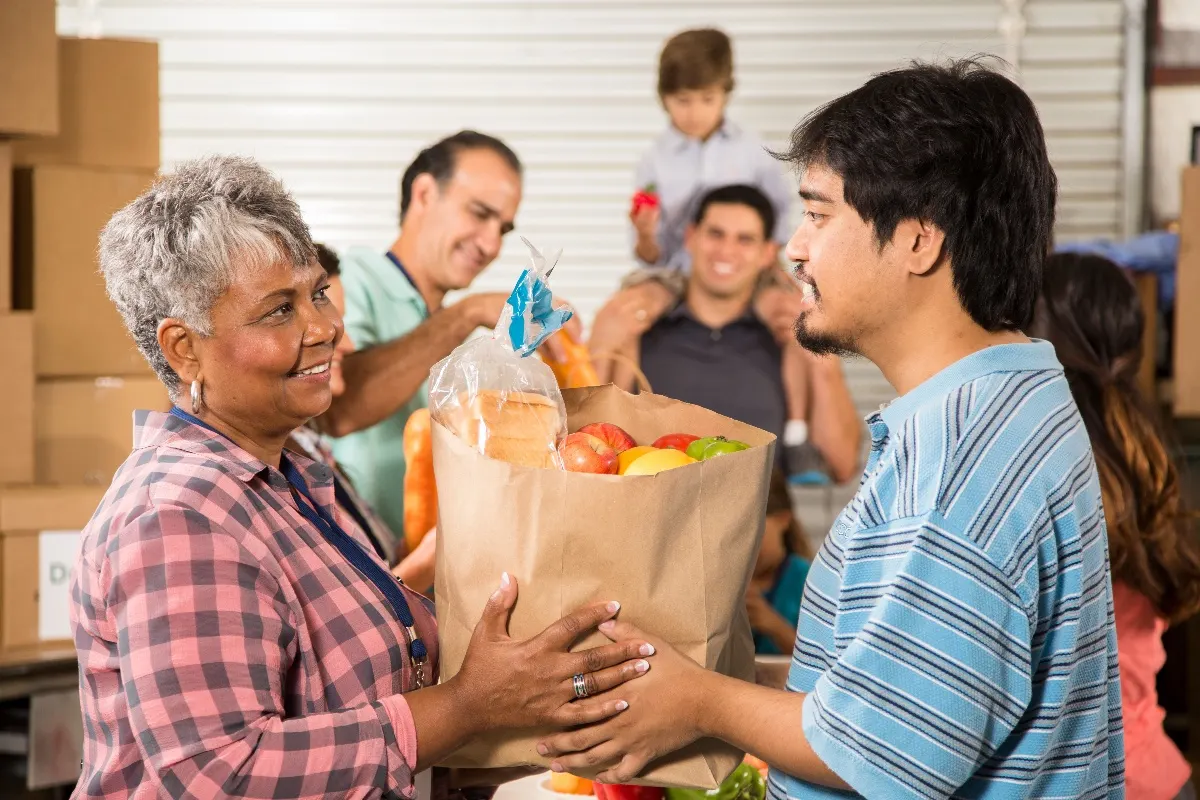
In every community, food is being wasted and people are going hungry—often on the very same street.
Restaurants toss unsold meals at closing time. Grocery stores discard produce that looks slightly imperfect. Catered events end with trays of untouched food headed straight for the trash. Meanwhile, families skip meals, seniors stretch tight budgets, and children go to school without breakfast.
It’s a heartbreaking contradiction. But it’s also a problem with a powerful solution: food rescue.
Food rescue programs collect safe, surplus food that would otherwise be thrown away and redirect it to people who need it most. It’s simple, practical, and incredibly impactful. And the best part? Anyone can get involved.
If you’ve ever wondered how to make a real difference locally, supporting food rescue efforts might be one of the most meaningful steps you can take.
What Is Food Rescue?
Food rescue—sometimes called food recovery or food redistribution—is the practice of saving edible food from being discarded and delivering it to individuals or organizations facing food insecurity.
Instead of food going into dumpsters, it goes to:
-
Food banks
-
Shelters
-
Soup kitchens
-
Community fridges
-
Schools
-
Senior centers
-
Families in need
This process bridges the gap between surplus and scarcity.
It’s not about leftovers or unsafe food. Food rescue organizations follow strict safety guidelines to ensure everything collected is fresh, properly stored, and safe to eat.
In other words, it’s good food going to good use.
The Scope of the Problem
Food waste is more common than many people realize. Globally, roughly one-third of all food produced is wasted. At the same time, millions of households struggle to put meals on the table.
Even in developed communities, food insecurity affects:
-
Working families
-
Single parents
-
Seniors on fixed incomes
-
College students
-
Veterans
-
Children
Many people experiencing hunger don’t fit the stereotypes we often imagine. They might be your neighbors, coworkers, or classmates.
Food rescue directly addresses this imbalance—helping both the environment and vulnerable populations at once.
Why Food Rescue Matters
Food rescue is about more than just delivering meals. Its impact reaches multiple layers of the community.
Fighting Hunger
The most obvious benefit is providing food to those who need it. A rescued meal can mean:
-
A child doesn’t go to bed hungry
-
A parent doesn’t have to choose between rent and groceries
-
A senior can afford medication and food
These small acts create big changes in everyday lives.
Reducing Waste
When food ends up in landfills, it decomposes and releases methane, a potent greenhouse gas. By rescuing edible food, we reduce:
-
Landfill waste
-
Harmful emissions
-
Environmental strain
It’s one of the easiest ways to shrink our environmental footprint.
Strengthening Community Bonds
Food rescue connects people. Volunteers, donors, and recipients become part of a support network built on compassion and cooperation.
Communities grow stronger when neighbors help neighbors.
Where Does Rescued Food Come From?
Many businesses and organizations have surplus food daily. Instead of discarding it, they partner with food rescue groups.
Common sources include:
-
Grocery stores
-
Restaurants
-
Bakeries
-
Farmers markets
-
Event venues
-
Hotels
-
School cafeterias
-
Catering companies
Often, this food is perfectly fresh but can’t be sold due to appearance, overstock, or time constraints.
A slightly misshapen apple tastes just as good as a perfect one.
Food rescue ensures these items don’t go to waste simply because they aren’t “retail-ready.”
How Food Rescue Works
Though every organization operates differently, the general process is straightforward:
-
A business identifies surplus food
-
Volunteers or drivers pick it up
-
Food is sorted and stored safely
-
It’s delivered the same day to partner organizations or families
Speed is key. Many rescues happen within hours to maintain freshness.
Some programs even use apps or digital platforms to match available food with nearby volunteers in real time, making the process fast and efficient.
Ways You Can Get Involved
One of the most exciting things about food rescue is that anyone can participate. You don’t need special skills—just a willingness to help.
Here are several ways to make a difference.
Volunteer Your Time
Food rescue groups rely heavily on volunteers. You might:
-
Pick up donations
-
Sort food
-
Pack boxes
-
Deliver meals
-
Help at distribution events
Even a couple of hours a week can help feed dozens of people.
Donate Food
If you run or work at a business with surplus food, consider partnering with a rescue organization. Many accept:
-
Prepared foods
-
Produce
-
Baked goods
-
Pantry items
Donations are often tax-deductible too.
Spread the Word
Awareness is powerful. Share information with:
-
Friends
-
Schools
-
Local businesses
-
Social media
The more people know, the more food can be saved.
Financial Contributions
If you can’t volunteer physically, monetary donations help cover:
-
Transportation
-
Storage
-
Refrigeration
-
Fuel costs
-
Supplies
Even small contributions add up quickly.
Start a Community Initiative
In areas without established programs, you can start small:
-
Community fridges
-
Neighborhood food shares
-
Local pantry partnerships
Grassroots efforts often grow into lasting solutions.
Who Benefits From Food Rescue?
The beauty of food rescue is that everyone gains something.
Families
They receive healthy meals without stigma or complicated processes.
Businesses
They reduce waste disposal costs and support the community.
Volunteers
They experience purpose, connection, and fulfillment.
The Environment
Less food waste means fewer emissions and reduced landfill strain.
It’s a win-win-win situation.
Stories That Inspire
Across the country and around the world, food rescue has transformed lives.
Volunteers talk about delivering groceries to seniors who otherwise would have gone hungry. Parents share relief when they can feed their children without worrying about bills. Restaurants feel proud knowing their food nourishes people instead of filling dumpsters.
These stories remind us that small actions matter.
One rescued tray of sandwiches might feed an entire after-school program. One grocery pickup might supply a shelter for days.
Every meal counts.
Breaking the Stigma Around Food Assistance
Sometimes people hesitate to accept help because of pride or embarrassment. Food rescue programs work hard to create welcoming, respectful environments.
Many distributions feel more like community gatherings than charity lines. The goal isn’t handouts—it’s support and dignity.
By normalizing food sharing, we help break the stigma and make it easier for people to seek help when they need it.
After all, everyone needs a helping hand sometimes.
A Simple Way to Make a Big Difference
Not all volunteer opportunities offer immediate, visible impact. Food rescue does.
You can literally see the results of your effort:
Boxes filled.
Meals delivered.
Families smiling.
There’s something incredibly rewarding about knowing that your time directly put food on someone’s table that same day.
Few actions are as tangible or meaningful.
Final Thoughts: Be the Neighbor Who Shows Up
Imagine if every neighborhood rescued just a small portion of its excess food. Hunger could drop dramatically. Waste could shrink. Communities would feel more connected than ever.
Food rescue proves that solving big problems doesn’t always require complicated solutions. Sometimes it just takes people caring enough to act.
So if you’re looking for a way to give back, start local. Find a food rescue group near you. Volunteer an hour. Make a call. Spread the word.